
 EN
EN
The Non-Sparking Science Behind Aluminum Bronze Tools
Metallurgical basis: How aluminum oxide passivation suppresses sparks
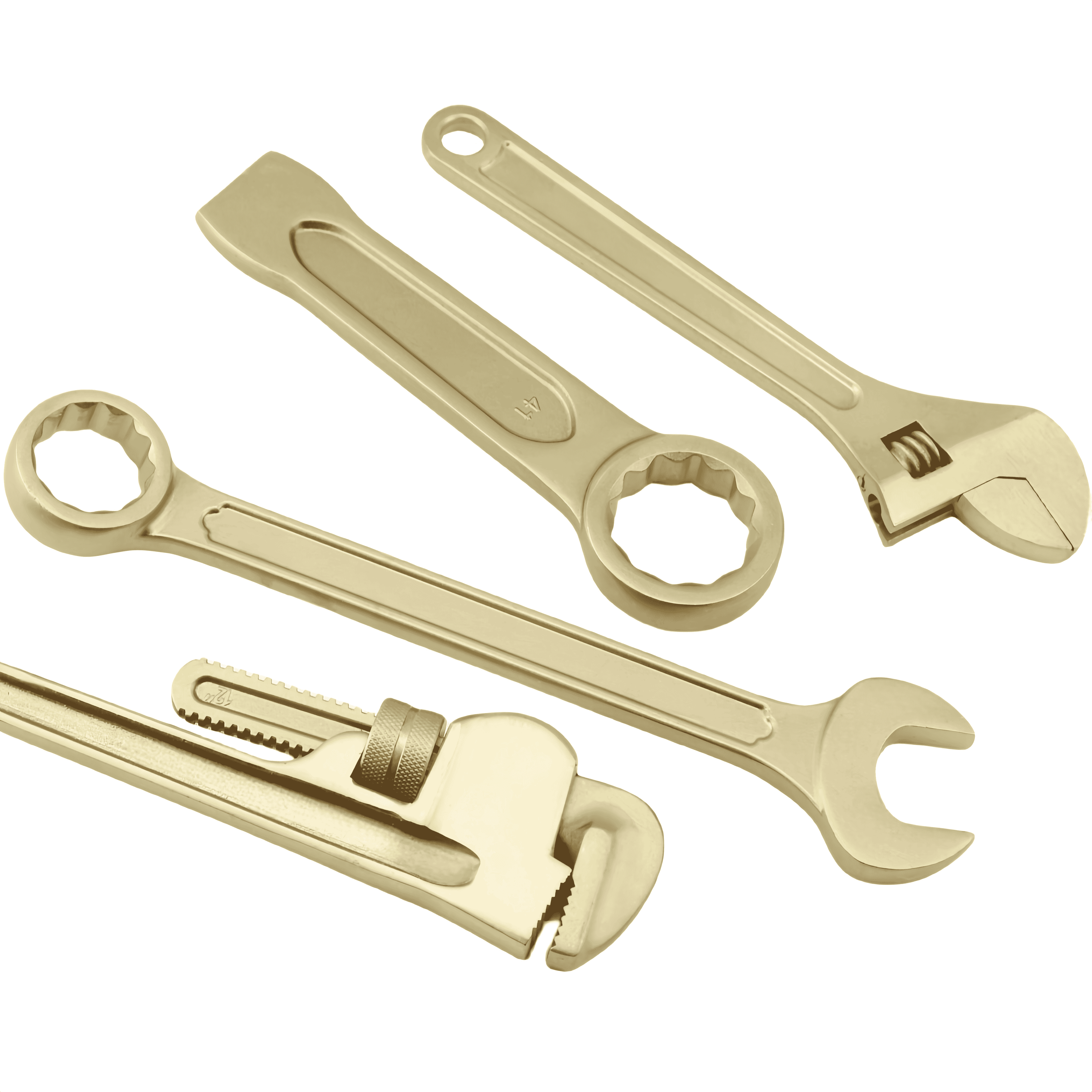
Aluminum bronze tools stop fires from starting because they naturally create a protective layer of aluminum oxide on their surfaces. When these tools come into contact with air, the aluminum in them moves to the outside where it forms a tough, almost ceramic-like coating. This coating turns the energy from impacts into heat instead of creating dangerous sparks. What makes these tools really reliable is that if the protective layer gets damaged through scratches or wear, it actually fixes itself over time. The base material contains between 6% and 12% aluminum mixed with copper, which gives the tool both strength and flexibility. Plus, the special way the atoms are arranged in this alloy means no sparks get generated like they do with iron-based materials. Research published in scientific journals shows that these tools keep spark temperatures below 150 degrees Celsius, which is far lower than what's needed to ignite gases such as methane or propane that typically catch fire at around 500 degrees or higher.
ASTM E499 and EN 13463-1 validation: What rigorous testing confirms
The international standards community has confirmed that aluminum bronze doesn't spark even when things get really bad. Let's look at what happens during testing. According to ASTM E499, they hit the tools with impacts over 300 joules right against hardened steel surfaces in environments filled with explosive methane air mixtures. Meanwhile EN 13463-1 requires another type of test where friction occurs at speeds around 10 meters per second under pressure conditions. Both of these rigorous tests show that sparks are reliably suppressed all the way up to temperatures reaching about 550 degrees Celsius. Independent labs have actually tested this stuff and found it works about 99.8 percent of the time in real world explosive situations. That's why we see aluminum bronze being used so much in those dangerous areas classified as Zone 1 and Class I, Division 1 locations. And speaking of durability, corrosion resistance checks out too. Tools made from this material keep working just fine even after sitting through thousands of hours in salt spray chambers following the ASTM B117 standard.
Clarifying 'non-sparking' vs. 'spark-free': Why terminology matters for safety compliance
When dealing with safety specs, getting the wording right matters a lot. The term "non-sparking" actually means something specific - it describes equipment that's been tested and proven to keep sparks below levels that could start fires, according to standards like ASTM E499 and EN 13463-1. On the flip side, calling something "spark-free" is basically impossible because even metals we think are safe can create sparks when put through intense mechanical forces or heat. This difference isn't just semantics either. Last year alone, OSHA found 27% more workplaces using "spark-free" labels incorrectly on their equipment. Following regulations like NFPA 70E Article 120 and IEC 60079-0 requires proper documentation of materials, not just catchy marketing terms. Getting labels right isn't just about paperwork compliance; it directly affects whether workers stay safe on the job site.
Aluminum Bronze Tools in Hazardous Locations: Preventing Ignition at Every Stage
Eliminating primary ignition from impact sparks in Class I, Division 1 zones
Sparks from impacts remain the number one way fires start in Class I, Division 1 areas, making up about two thirds of all incidents in petrochemical facilities according to the latest NFPA 70 standards from 2023. Aluminum bronze tools help prevent these dangerous sparks in three main ways. First, they have a protective Al2O3 coating that actually repairs itself when struck, absorbing and spreading out the energy from impacts. Second, these tools contain very little iron content, under half a percent, which stops those dangerous thermite reactions from happening. And third, their flexible internal structure means any heat generated stays well below what's needed to ignite most flammable vapors. Because of this triple protection system, getting ASTM E499 certified has become standard practice for anyone wanting their tools approved for work in these high risk industrial zones.
Mitigating secondary ignition risks—frictional heating and adiabatic compression
Aluminum bronze tackles those not so obvious but still serious ways things can catch fire. The material conducts heat about three times better than regular carbon steel, which means it spreads out the heat generated from friction before those pesky hot spots have a chance to develop. Temperatures stay below 150 degrees Celsius even when used continuously, way under what's needed to ignite hydrocarbons like gasoline vapor which starts burning around 280 degrees. What's more, this alloy doesn't gall easily, so there's no cold welding happening when bolts are tightened quickly. That matters because fastener tightening creates pressure spikes in tight areas filled with rust particles, something we know can spark fires. All these characteristics explain why aluminum bronze works so well in long term applications where dust buildup, corrosion issues, or rough surfaces create extra heat risks over time.
Performance Excellence: Strength, Corrosion Resistance, and Thermal Safety of Aluminum Bronze Tools
Balancing mechanical integrity (¥800 MPa tensile strength) with intrinsic safety
Aluminum bronze has tensile strength above 800 MPa, which is pretty much on par with medium carbon steel, but it still keeps that important non-sparking property. What makes this possible? The material has a special two part structure inside. There's a strong copper base mixed with tiny bits of intermetallic compounds, all protected by a conductive Al2O3 coating that doesn't react with anything. Regular hardened steels tend to lose their flexibility when they get stronger, but aluminum bronze stays tough enough to handle impacts without sparking, even when used for things like turning valves or tightening pipes at refineries where sparks could be dangerous. Testing shows it meets ASTM E499 standards for impact resistance, proving that we don't have to choose between safety and strength in these hazardous environments. This makes aluminum bronze a smart choice for jobs where both factors matter equally.
Superior corrosion resistance in H₂S and saline environments common in oil & gas
Aluminum bronze stands up well against hydrogen sulfide (H2S) embrittlement and chloride pitting in sour gas environments and offshore settings thanks to its unique self healing oxide layer. Stainless steel alternatives tend to crack under stress when exposed to H2S rich conditions, while carbon steel simply corrodes too quickly in salty air. Aluminum bronze keeps its shape and smooth finish even after extended exposure. The real value here goes beyond simple durability though. When tools degrade, those tiny pits and rough spots create extra friction during operation which can lead to sparks. That's why aluminum bronze remains certified as non sparking throughout its service life. Facilities dealing with flammable materials benefit from this property since it cuts down on unexpected maintenance needs and helps maintain safety standards consistently over time in dangerous work areas.
Real-World Reliability: Aluminum Bronze Tools in Critical Petrochemical Operations
Offshore case study: 37% reduction in near-miss incidents after aluminum bronze tool deployment
At a North Sea oil rig, they swapped out all those standard steel wrenches and cutting gear for aluminum bronze versions rated for Class I, Division 1 hazardous areas. After about 18 months on the job, the safety auditors noticed something interesting: there had been a drop of around 37% in close calls where sparks could have caused fires. The connection seems pretty clear since tests showed these bronze tools actually suppress sparks when hit against metal surfaces in real working conditions. Instrument readings from the platform told another story too. When workers tightened bolts with regular steel tools, they'd typically see about 14 sparks flying each shift. But switch to bronze tools and suddenly? No sparks at all. Efficiency went up roughly 9% because crews didn't have to stop work so often for safety checks. Plus, the bronze tools held up much better against corrosion in the salty air, meaning no more replacing them every few weeks. What this shows is simple enough really. Good materials science doesn't just sit in lab reports somewhere. It makes real difference down on the platform floor, turning paper safety standards into actual protection for workers day after day.
FAQs: Understanding Aluminum Bronze Tools
What is aluminum bronze?
Aluminum bronze is an alloy consisting primarily of copper and aluminum. It is known for its high strength and corrosion resistance properties, making it ideal for use in hazardous environments.
Why are aluminum bronze tools considered non-sparking?
Aluminum bronze tools are considered non-sparking because they develop a protective aluminum oxide layer that prevents spark generation, even under intense mechanical forces or impacts.
Where are aluminum bronze tools commonly used?
These tools are frequently used in hazardous locations, such as petrochemical facilities and oil rigs, particularly in areas classified as Zone 1 and Class I, Division 1.
How do aluminum bronze tools prevent fires?
Aluminum bronze tools prevent fires by absorbing and dissipating energy from impacts and frictional forces, keeping temperatures below ignition points for flammable vapors and gases.
Table of Contents
- The Non-Sparking Science Behind Aluminum Bronze Tools
- Aluminum Bronze Tools in Hazardous Locations: Preventing Ignition at Every Stage
- Performance Excellence: Strength, Corrosion Resistance, and Thermal Safety of Aluminum Bronze Tools
- Real-World Reliability: Aluminum Bronze Tools in Critical Petrochemical Operations
- FAQs: Understanding Aluminum Bronze Tools