
 EN
EN
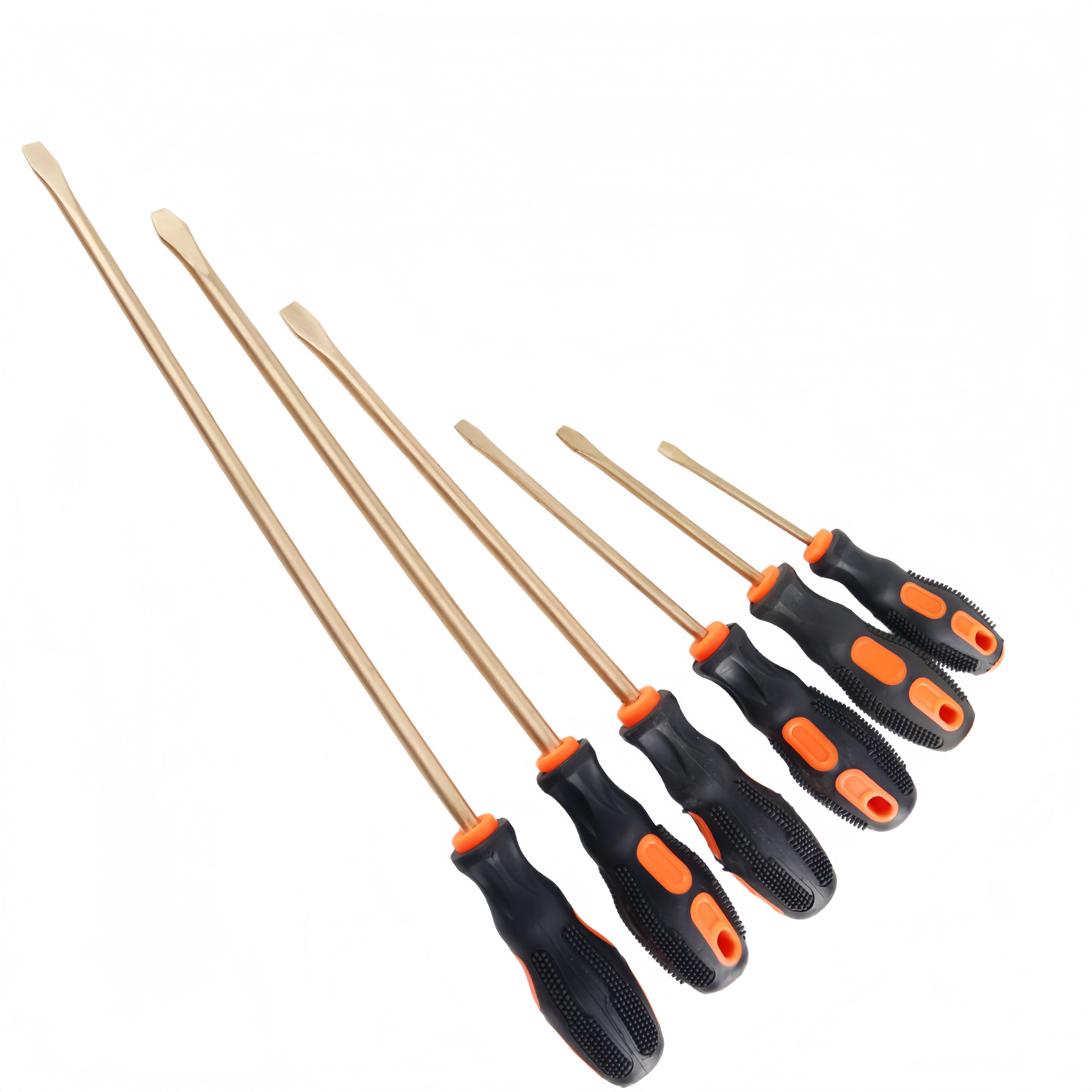
The Science of Ignition: Why Sparks Are Critical Hazards in Flammable Atmospheres
Minimum Ignition Energy (MIE) Thresholds for Gases, Vapors, and Combustible Dusts
Materials catch fire only if something like a spark delivers enough energy to surpass what's called the Minimum Ignition Energy (MIE) threshold, which gets measured in millijoules (mJ). Take hydrogen gas for instance it needs just 0.019 mJ to light up, according to those NFPA 2024 guidelines. Acetone vapor requires around 0.14 mJ before it will burn. Dust particles present different challenges altogether. Aluminum powder needs about 15 mJ to ignite, whereas grain dust sits at roughly 30 mJ. Regular steel tools create sparks during impacts that often hit over 1 mJ, way past the MIE levels for many hydrocarbon vapors. This explains why specialized non-sparking tools crafted from copper beryllium alloys matter so much in certain environments. These tools keep friction generated energy down to under 0.05 mJ, ensuring they stay beneath even the smallest MIE values we see out there. Getting comfortable with how close these numbers actually are makes all the difference when it comes to avoiding serious accidents on site.
| Material | MIE Threshold (mJ) | Common Industrial Context |
|---|---|---|
| Hydrogen gas | 0.019 | Refineries, labs |
| Acetone vapor | 0.14 | Paint facilities, chemical plants |
| Aluminum dust | 15 | Aerospace manufacturing |
| Grain dust | 30 | Food processing silos |
Real-World Failure: How a Standard Tool Spark Triggered a Catastrophic Gas Facility Incident
In 2022, a methane blast rocked a pipeline facility somewhere in the Midwest after maintenance crews used a regular steel hammer on a valve. The spark from this simple act - around 0.8 millijoules worth of energy according to reports - set off gas that had been leaking for some time. The result? About $2 million worth of damage and four injured workers, as noted by the Chemical Safety Board last year. Looking into it, experts found that the metal hammer actually created spots where temperature shot past 1,200 degrees Celsius. That's plenty hot enough to light things on fire in any area with flammable vapors hanging around. What makes this case so important is that it happened right in a section marked as Class I, Division 2 territory, which means only special non-sparking tools should ever be used there. After several companies switched out their standard tools for properly certified non-sparking alternatives, they didn't experience any similar incidents for 18 whole months. This shows just how much difference proper materials can make in preventing these kinds of accidents when applied correctly across industrial settings.
Material Engineering: How Non-Sparking Tools Eliminate Ignition Sources
Copper-Beryllium and Aluminum-Bronze Alloys: Low Frictional Heat and No Exothermic Oxidation
Specialized non-sparking tools are made mostly from copper beryllium alloy and aluminum bronze to prevent sparks that could cause fires. What makes these different from regular metal tools? Well, when struck against surfaces, they produce far less heat because they don't oxidize like iron based metals do. No chemical reaction happens here so there's nothing to ignite even if oxygen is present. Copper beryllium stands out for being tough enough to handle heavy torque work without wearing down quickly. Aluminum bronze works best in places where moisture is always around, such as near water or salt air environments. The way these metals work at an atomic level actually soaks up impact energy instead of letting it build up until it creates hot spots. This has been tested according to industry standards like ASTM F1169. Because of this unique characteristic, workers can safely use them in areas marked with ATEX certification where normal steel tools would be too dangerous due to potential spark hazards.
Debunking Myths: Why 'Non-Ferrous' Automatically 'Non-Sparking' — The Role of Hardness and Microstructure
Just because something isn't iron-based doesn't automatically make it safe from sparking either. Take galvanized steel as a case in point. While it does contain zinc coating, the underlying steel still acts like regular metal and can create serious sparks when rubbed against other surfaces. What really matters for preventing sparks comes down to two main factors working together. First, materials need to stay under 35 HRC hardness according to Rockwell testing standards. Second, they must maintain a consistent grain structure throughout their composition. Alloys that check both boxes, such as well-annealed brass or specially certified copper beryllium mixtures, stop heat from building up at contact points during impacts. Even some types of aluminum alloy, which are technically non-ferrous metals, have actually caused fires in controlled experiments by igniting acetone fumes thanks to their hard surfaces and tendency to crack suddenly. Many industrial accidents in hazardous environments classified as Class I Div 2 happened precisely because workers relied only on whether tools contained iron rather than checking actual performance data. That's why most professionals stick with ASTM F1169 certified materials when safety is paramount in explosive atmospheres.
Operational Safety: Friction, Impact, and Static Control in Daily Use of Non-Sparking Tools
Managing ignition risk with non-sparking tools extends beyond material selection—it requires disciplined operational practice. Three interdependent factors govern real-world safety:
- Friction control: Slipping or binding tools increase surface temperature rapidly; selecting the correct size and torque rating prevents unintended heating.
- Impact mitigation: Striking at oblique angles or using excessive force can compromise alloy integrity—even non-sparking tools generate heat if misapplied.
- Static dissipation: Conductive alloys must be grounded through proper handling and worksurface contact to safely bleed off electrostatic charge before accumulation reaches hazardous levels.
Keeping tools free from contamination should be top priority for operators working with beryllium copper wrenches. Even small amounts of ferrous dust or grinding residue left on these tools can create sparks that pose serious risks. Inspecting tools regularly for signs of wear, corrosion spots, or tiny cracks matters a lot because damaged surfaces change how friction works and might push energy levels past safe thresholds. Storing these specialized tools separately from iron-based materials keeps them clean and ready for use. Choosing the right metal alloy for specific jobs makes all the difference too. For example, aluminum bronze handles tough valve work better than other options. Put these good habits together with proper safety training and we see a dramatic drop in fire hazards. According to recent research published in the Journal of Hazardous Materials back in 2023, trained workers experience about 63% fewer ignition incidents in hazardous areas classified as Class I Division 2 environments.
Compliance and Confidence: Meeting Standards for Non-Sparking Tools in Class I, Division 2 Locations
NFPA 70E, ASTM F1169, and CSA Z462 Requirements for Certification and Workplace Deployment
Deploying non-sparking tools in hazardous locations demands strict adherence to internationally recognized safety standards—including NFPA 70E, ASTM F1169, and CSA Z462. These frameworks establish objective, test-based requirements for certification and workplace deployment in Class I, Division 2 environments. Key mandates include:
- Verification that tool alloys generate no sparks exceeding 20 μJ under standardized impact and friction testing—well below the lowest common MIE threshold;
- Third-party validation of static dissipation capability and structural integrity under repeated use;
- Documentation of material composition, hardness, and microstructural homogeneity.
Non-compliance carries serious consequences: facilities using uncertified tools face triple the OSHA violation rate compared to those maintaining full certification compliance (2023 Safety Audit Report). Certification isn’t a bureaucratic formality—it’s empirical proof that a tool meets the physics-based thresholds required to interrupt ignition in real-world conditions.
FAQ Section
What is Minimum Ignition Energy (MIE)?
The Minimum Ignition Energy (MIE) is the smallest amount of energy necessary to ignite a substance. It's measured in millijoules (mJ).
Why are non-sparking tools important?
Non-sparking tools are crucial for use in hazardous environments because they minimize the risk of sparks that could lead to ignition of flammable vapors or materials, thus preventing accidents.
What materials are non-sparking tools commonly made from?
Non-sparking tools are typically made from materials like copper beryllium alloy and aluminum bronze, which reduce frictional heat and oxidative reactions.
Table of Contents
- The Science of Ignition: Why Sparks Are Critical Hazards in Flammable Atmospheres
- Material Engineering: How Non-Sparking Tools Eliminate Ignition Sources
- Operational Safety: Friction, Impact, and Static Control in Daily Use of Non-Sparking Tools
- Compliance and Confidence: Meeting Standards for Non-Sparking Tools in Class I, Division 2 Locations