
 EN
EN
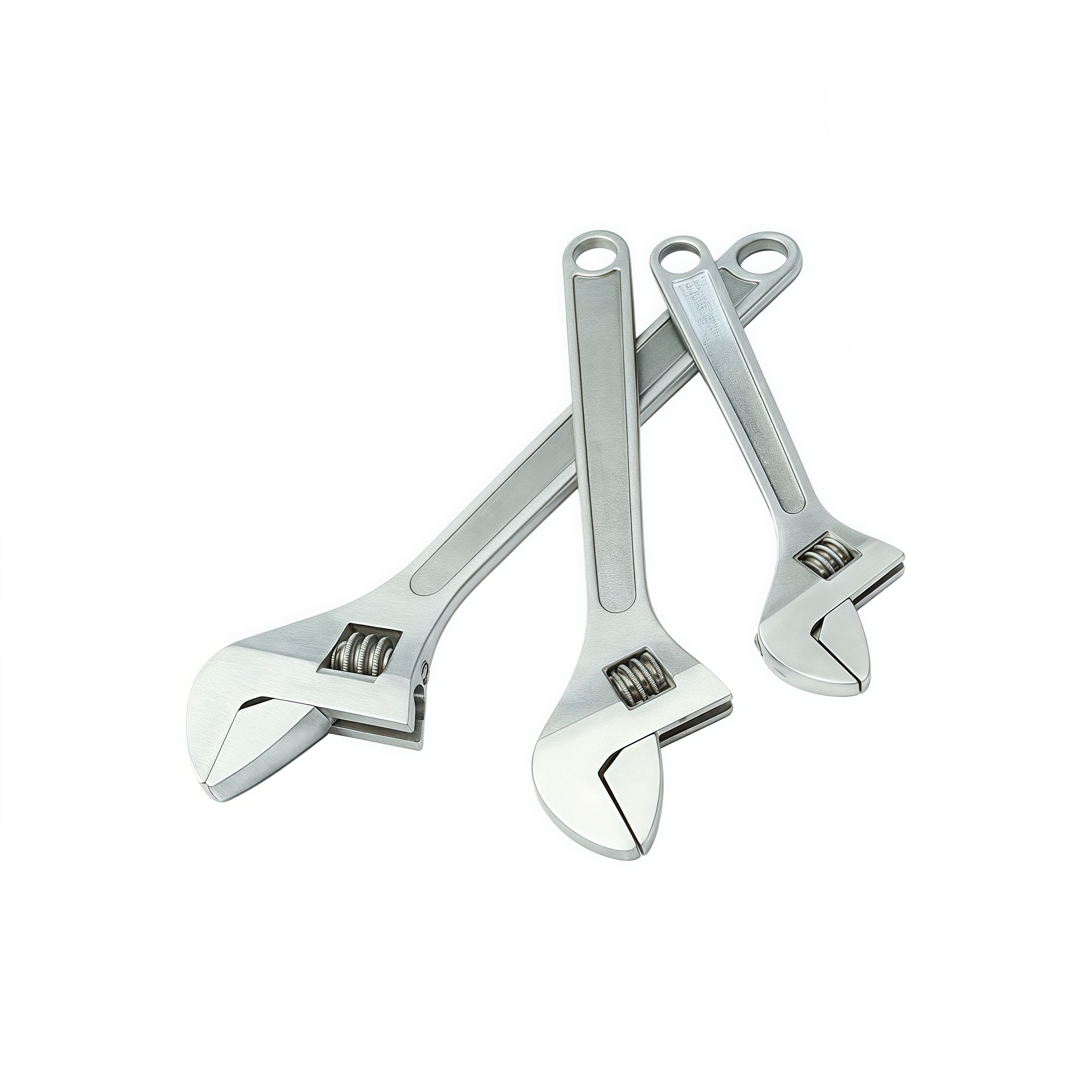
Understanding Stainless Steel Properties and Their Impact on Tool Performance
What makes stainless steel tools so special comes down to the materials they're made from, which are really important for all sorts of industrial work. The chromium in these steels needs to be at least 10.5% to create that protective oxide layer on the surface. This layer basically repairs itself when damaged, which is why stainless steel resists rust so well. Grades like 304 and 316 perform particularly well in tough conditions such as saltwater environments or places where chemicals are present. While this corrosion resistance definitely extends how long tools last in damp or harsh situations, it does come with a catch. Machining stainless steel requires special techniques because of its unique properties, something many manufacturers need to account for during production planning.
The high tensile strength of these tools, ranging from about 500 to 800 MPa, means they can handle quite a bit of mechanical stress during operation. However, because these materials tend to work-harden so readily, getting the right cutting parameters is absolutely essential for proper machining results. When operators run the machine too slow, the material quickly hardens right at the cutting area which leads to faster tool wear. On the flip side, going too fast creates all sorts of problems since stainless steel doesn't conduct heat well at all. Its thermal conductivity is only around 15 to 25 W/mK, so excessive heat builds up at the cutting edge. Without good coolant application, this heat will eventually damage the tool edges and shorten their lifespan significantly.
Gummy chip formation makes working with this material even harder, so operators need really sharp cutting angles just to avoid that annoying built-up edge problem. Workshop managers face some tough choices here. Stainless steel tools stay cleaner longer and last better when exposed to harsh chemicals, which is great for food processing or medical applications. But they come at a price tag that's way higher than regular carbon steel options, plus they take more energy to machine properly. Getting the most out of these tools means matching their specs exactly to how stainless steel behaves under stress and pressure during cutting operations. Most experienced machinists know this isn't something you can guess at it requires actual testing and adjustment based on specific job requirements.
Matching Stainless Steel Tools to Alloy Grade and Application Requirements
Selecting the right stainless steel tools requires precise alignment between the alloy grade and operational demands. Each grade offers distinct properties that dictate tool performance:
- 304 Stainless Steel: With moderate corrosion resistance and excellent formability, it suits food processing equipment and architectural components. Tools must prioritize sharp edges to mitigate work hardening.
- 316 Stainless Steel: Enhanced by molybdenum for superior chloride resistance, it's ideal for marine or chemical environments. Tools require higher hardness and abrasion-resistant coatings to combat corrosive media.
- 420 Stainless Steel: High carbon content boosts hardness and wear resistance, making it optimal for surgical instruments and precision blades. Tool geometry must minimize heat generation during fine finishing.
| Alloy Grade | Key Property | Primary Applications | Tool Requirement |
|---|---|---|---|
| 304 | Formability | Food equipment, tanks | High-sharpness tooling |
| 316 | Corrosion resistance | Marine hardware, valves | Abrasion-resistant coating |
| 420 | Wear resistance | Blades, surgical tools | Low-friction geometry |
Mismatched tools accelerate wear—e.g., using 304-grade cutters on 316 alloys risks premature edge chipping. For high-stress aerospace fasteners (17-4PH), carbide tooling with optimized chipbreakers prevents material adhesion. Always cross-reference alloy specifications with tool material rigidity and coating compatibility.
Selecting Optimal Tool Materials, Geometry, and Coatings for Stainless Steel Tools
Carbide vs. High-Speed Steel vs. Ceramic: Trade-offs in hardness, toughness, and thermal resistance
Choosing the right materials makes a big difference in how well machines perform and how long tools last. Carbide is pretty good stuff since it stays hard even when temperatures hit around 800 degrees Celsius and can handle wear from those tough alloys that get harder during machining. High speed steel works better for jobs where the cut isn't continuous, giving it more strength against breakage, though it can't go much faster than 30 meters per minute. Ceramics can take the heat really well, surviving over 1,200 degrees, but they tend to chip easily if there's any vibration going on. We actually tested this out making parts for airplanes and found that switching from ceramic to carbide tools cut down production time by about 22%, which adds up to real savings in manufacturing operations.
Geometry essentials: Rake angle, clearance angle, and chipbreaker design for work-hardening alloys
Getting the edge geometry right is essential for dealing with how quickly stainless steel hardens during machining operations. Toolmakers often recommend positive rake angles somewhere between 12 and 15 degrees because these help cut down on the forces involved while also reducing the tendency of the material to stick to the tool face. Clearance angles should stay above 6 degrees to keep things running smoothly against those areas that start hardening almost immediately after contact. For best results, incorporating chipbreaker grooves into the tool design makes a big difference too. These features help curl up the metal chips tightly rather than letting them fly around uncontrollably. This becomes especially important when working with austenitic stainless steels such as 304SS. The industry has seen data showing that without proper chip control, crater wear problems can jump by about 40%, which nobody wants to deal with in production environments.
Coating selection guide: TiAlN, AlCrN, and nanolaminate coatings for stainless steel machining
| Coating Type | Max Temp Resistance | Best For | Wear Reduction vs. Uncoated |
|---|---|---|---|
| TiAlN | 900°C | Dry machining | 68% |
| AlCrN | 1,100°C | Coolant operations | 72% |
| Nanolaminate | 1,300°C | High-feed milling | 81% |
AlCrN coatings outperform TiAlN in wet environments, resisting chloride-induced pitting in 316SS. Nanolaminates extend tool life in high-volume production but require rigid setups.
Practical Selection Framework: From Workshop Conditions to Stainless Steel Tools Longevity
Selecting durable stainless steel tools requires evaluating workshop-specific conditions first. High humidity, chemical exposure, or abrasive particulates accelerate wear—demanding tailored alloy grades and protective coatings. For coastal facilities, super austenitic grades (6% Mo+) resist chloride-induced pitting, while food processing plants benefit from electropolished 316L surfaces that inhibit bacterial adhesion.
Prioritize tools engineered for your operational stressors:
- Material Compatibility: Match tool substrate (e.g., micrograin carbide) to workpiece hardness
- Environmental Shields: Specify PVD coatings like AlCrN for high-heat cutting or CrN for chemical resistance
- Maintenance Protocols: Implement ultrasonic cleaning cycles and moisture-controlled storage
Corrosion-related tool failures cost manufacturers $740k annually. Extend service life by 40%+ through proactive environmental adaptation—like installing dehumidifiers near grinding stations or using corrosion-inhibiting cutting fluids. This systematic approach transforms workshop constraints into longevity drivers, reducing replacement costs by 19% over 5 years.
FAQ
What is the main benefit of using stainless steel tools?
Stainless steel tools offer excellent corrosion resistance, which extends their lifespan in damp or harsh environments. They are particularly useful in saltwater or chemical settings.
Why is machining stainless steel challenging?
The work-hardening and low thermal conductivity of stainless steel require special techniques and consideration of cutting parameters to prevent tool wear and damage.
What factors should be considered when selecting stainless steel tools?
Opt for the right alloy grade based on application demands, tool material compatibility, environmental conditions, and the appropriate coatings for optimal performance and longevity.
Table of Contents
- Understanding Stainless Steel Properties and Their Impact on Tool Performance
- Matching Stainless Steel Tools to Alloy Grade and Application Requirements
- Selecting Optimal Tool Materials, Geometry, and Coatings for Stainless Steel Tools
- Practical Selection Framework: From Workshop Conditions to Stainless Steel Tools Longevity
- FAQ