
 EN
EN
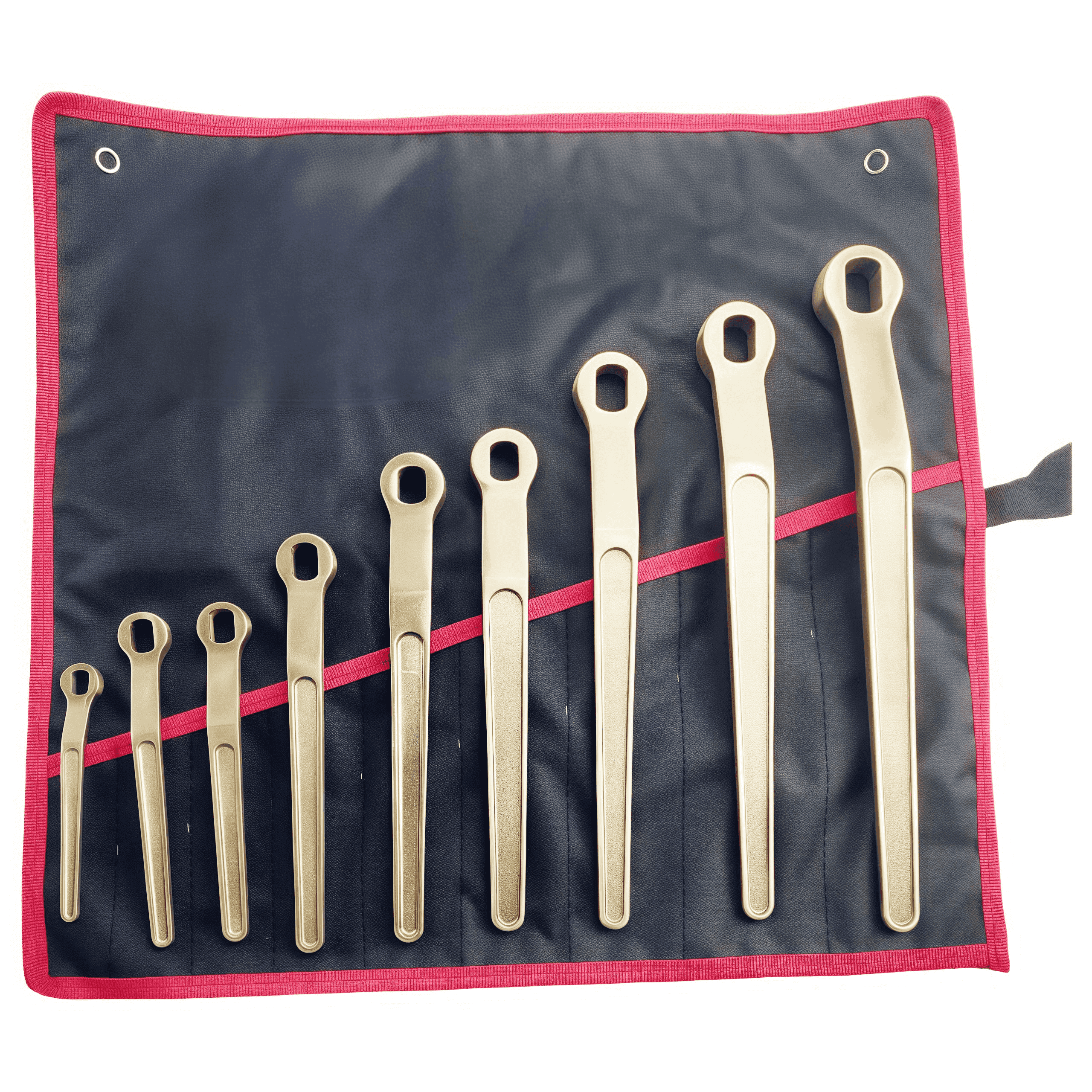
Why Non-Sparking Tool Sets Are Essential in Hazardous Work Environments
In industries dealing with flammable gases, vapors, or combustible dust that can lead to dangerous explosions, non-sparking tool sets become essential safety equipment. Regular steel tools tend to produce sparks when they rub against each other or hit surfaces hard enough, which is exactly what we want to avoid in these environments. That's why professionals turn to special tools made from materials such as beryllium copper or aluminum bronze instead. These materials don't create sparks even under pressure, making them much safer for workers. The absence of sparks means fewer chances of starting big fires or worse, full blown explosions. This matters most in tight work areas without good air circulation where small amounts of hazardous substances can build up over time and become major problems if ignited.
The oil and gas sector, along with chemical processing facilities and mines, require non-sparking tools to meet safety regulations set by bodies like ATEX and OSHA. Take refineries dealing with volatile hydrocarbons for instance, or those chemical plants working with flammable solvents every day. These workplaces depend heavily on such equipment not only to keep workers safe but also to protect expensive infrastructure from potential damage. There are practical benefits too beyond accident prevention. Companies see fewer production stoppages when accidents don't happen, their insurance costs stay lower, and they avoid getting hit with heavy fines from regulators. At the end of the day, investing in non-sparking tools goes way beyond ticking boxes on compliance lists. It forms part of smart risk management strategies where companies actually put people first instead of cutting corners just to save money in the short term.
Key Selection Criteria for Enterprise-Grade Non-Sparking Tool Sets
Material Performance: Beryllium-Copper vs. Aluminum-Bronze Trade-Offs
Choosing the right materials makes all the difference when it comes to safety and how things function in dangerous places. Take beryllium copper (Cu-Be), for instance. This stuff has amazing strength, can handle really high tension forces around 200 ksi, and stands up well to heat. That's why we see it used so much in tough situations like maintaining valves at oil refineries where conditions are brutal. But there's a catch - workers need special training and equipment because beryllium is toxic if not handled properly. Aluminum bronze (Al-Bron) works better in areas full of chemicals, especially where saltwater or acids are present. Plus, since it weighs about 30% less than other options, it's easier on workers doing overhead work. The price tag is friendlier too, which matters a lot when companies are watching their budgets. Still, these tools won't last as long when subjected to extreme pressure compared to Cu-Be. When putting together non-sparking tool kits for businesses, most experts recommend going with Cu-Be in areas with explosive gases and switching to Al-Bron where corrosion or marine exposure is a concern. Getting this right isn't just about saving money either; matching material properties to actual hazards on site helps avoid those nasty ignition problems that nobody wants.
Durability, Ergonomics, and Team-Wide Usability Across Shifts
Tools used in enterprise settings need to handle constant use through multiple work shifts while keeping everyone safe. The key to durability lies in how well they resist impacts, especially since these tools get passed around different departments all day long. Most quality tools will last through at least 10 thousand usage cycles before showing significant wear. Good ergonomics make all the difference in reducing worker fatigue. When tools have proper balance and those rubberized grips that won't slip, workers report about half as many hand injuries during those long eight hour shifts. Standardizing sizes and making sure buttons and switches are easy to find helps people switch from day crew to night shift without needing extra training. Color coding handles makes it easier to spot the right tool quickly, and magnetic attachments keep things secure even in tight work areas where dropping equipment is a real concern. Companies looking to streamline operations should definitely invest in complete sets that come with clear maintenance instructions. This ensures everything works reliably and passes regular safety checks no matter which team is using them.
Matching Non-Sparking Tool Sets to Industry-Specific Hazards
Choosing the right non-sparking tools isn't just about picking any old set off the shelf. The tools need to match exactly what kind of dangers exist in each particular industry. Standard tool kits simply don't work in places where there are real risks, such as areas filled with explosive vapors or spots where dangerous chemicals might leak out. When companies customize their tool selections based on specific workplace conditions, they actually avoid major accidents down the road. For instance, some settings deal with combustible dust buildup inside grain storage facilities while others face constant exposure to strong acids during drug production processes. Getting this right matters a lot for safety reasons.
Oil & Gas, Chemical, and Mining Applications: From Confined Spaces to Corrosive Atmospheres
High-risk sectors demand specialized non-sparking tool sets engineered for their distinct challenges:
- Oil & Gas: Confined spaces (e.g., storage tanks, pipelines) trap hydrocarbon vapors. Tools must prevent spark ignition during maintenance while resisting sulfur-induced corrosion.
- Chemical Processing: Flammable solvents and acidic compounds require corrosion-resistant alloys that won't degrade when exposed to chlorides or ammonia.
- Mining: Methane-rich shafts and coal dust necessitate lightweight tools that eliminate friction sparks during prolonged use in abrasive, low-oxygen environments.
| Industry | Primary Hazard | Tool Requirement |
|---|---|---|
| Oil & Gas | Flammable vapor ignition | Spark-proof + corrosion-resistant |
| Chemical Plants | Corrosive substance exposure | Non-reactive metal alloys (e.g., beryllium-copper) |
| Mining Operations | Combustible dust explosions | Low-friction design + anti-static properties |
Failure to match tools to these conditions increases accident risks by 62% in refinery operations. Prioritize material compatibility and hazard-specific certifications to ensure worker safety in extreme environments.
Ensuring Compliance: Certifications, Standards, and Procurement Due Diligence
When looking at non sparking tool sets that meet compliance requirements, there are really three main things to check off the list: proper material certifications, alignment with relevant safety standards, and some form of documented verification process. The first thing worth checking is whether the tools have either ATEX or IECEx certifications on them somewhere visible. These aren't just random stickers they slap on products; they actually indicate that the materials used won't create sparks even when exposed to potentially explosive environments after thorough testing procedures. Next up comes making sure everything lines up with specific industry regulations. For folks working in places like refineries or chemical plants, this means double checking against standards such as OSHA 1910 Subpart S and ANSI/ISEA 107-2020 which govern equipment safety requirements across different sectors of manufacturing and processing industries.
Procurement teams must implement systematic vendor screening:
- Audit ISO 9001-certified manufacturing processes annually
- Demand mill test reports validating beryllium-copper/aluminum-bronze composition
- Maintain audit trails demonstrating TÜV or UL certification validity
When companies skip proper checks, they risk getting hit with OSHA penalties that can go over $150,000 for each violation plus all sorts of legal troubles down the road. Take one big name in aerospace manufacturing for example. After they started using required supplier scorecards to keep tabs on when certifications need renewing and how often defects show up, their compliance problems dropped by almost two thirds. Make sure those material safety data sheets are kept somewhere safe along with those conformity declarations too. These documents come in handy during audits and inspections, but more importantly they help protect workers from potential hazards day to day operations might bring.
FAQ
What are non-sparking tools?
Non-sparking tools are specialized tools made from materials such as beryllium copper or aluminum bronze, which do not create sparks under pressure.
Why are non-sparking tools important in certain industries?
They are crucial in industries dealing with flammable gases and vapors, as they reduce the risk of fires and explosions.
How do non-sparking tools meet safety regulations?
They often come with certifications like ATEX and IECEx, indicating materials that do not create sparks in explosive environments.
What should be considered when selecting non-sparking tool sets?
Consider the material, durability, ergonomics, and industry-specific hazards to ensure the tools match the specific dangers of the workplace.
How do companies ensure compliance with safety standards?
Through checking certifications, aligning with industry regulations, and implementing systematic vendor screenings.