
 EN
EN
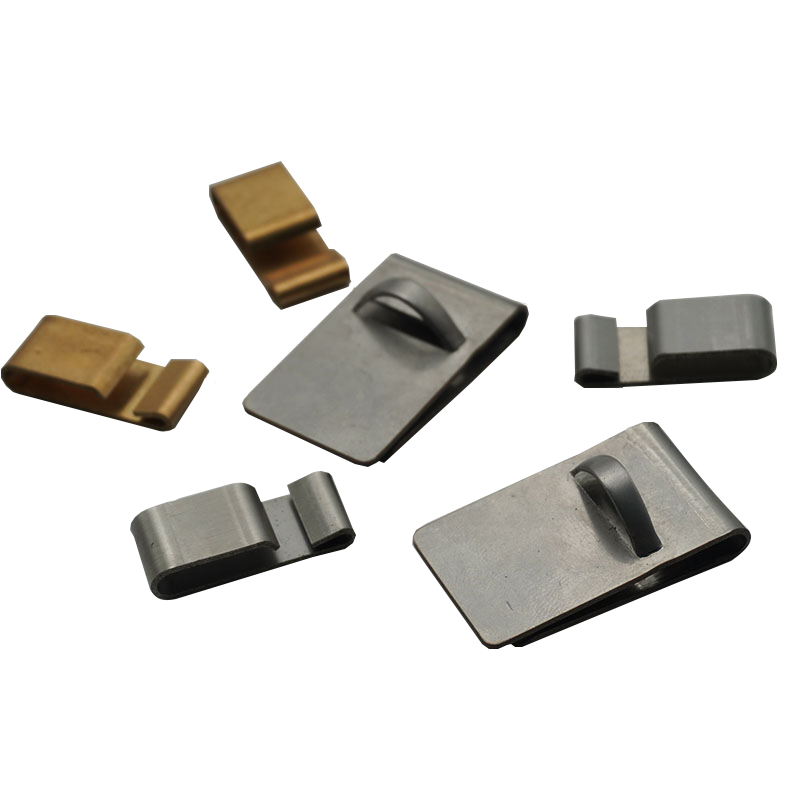
Understanding the Role of Metal Clips in Structural Stability
What Are Metal Clips and Why Are They Critical for Roof Stability?
Metal clips serve as specially designed fasteners that hold roofing panels onto underlying structures. They allow for expansion and contraction due to temperature changes while handling various types of stress. What makes them different from regular screws or nails is their ability to absorb stress, spreading out wind pressure across the roof surface instead of concentrating it at single points where panels might pop off. According to research published by the National Roofing Contractors Association last year, when installed correctly these clips cut down on roof failures in areas prone to strong winds by around two thirds compared with just nailing panels directly into place. That kind of performance improvement explains why many contractors now specify metal clips as standard practice for commercial roofing projects.
The Role of Metal Clips in Load Distribution and Structural Integrity
Metal clips work by spreading out those dynamic loads across whole roof assemblies instead of letting all the stress pile up at individual fastener points. This helps stop problems like localized fatigue and material deformation from happening. The way these clips are designed actually allows them to compensate when structures flex under load. Steel versions generally manage around 40 to 60 pounds per square foot of uplift force in commercial buildings. Aluminum clips handle things differently though they can deal with thermal expansion movements of about quarter inch for every 100 degree Fahrenheit temperature change according to recent ASHRAE climate data from 2022.
How Metal Clips Contribute to Long-Term System Performance and Durability
High-performance clips combine corrosion-resistant materials with engineered movement allowances:
- Stainless steel variants withstand coastal salt exposure for 30+ years
- Pre-galvanized models remain functional through -40°F to 300°F thermal cycles
- Slotted designs endure 500+ annual expansion/contraction cycles without fatigue
This adaptability prevents cumulative joint stress that leads to fastener back-out, panel warping, and sealant failure in rigid connections.
Key Types of Metal Roofing Clips and Their Applications
Comparing fixed vs. floating metal roofing clips for different panel behaviors
Fixed clips work great for anchoring short span roofs under 30 feet in areas where weather stays pretty consistent, though they do limit how much the material can expand and contract with temperature changes. The floating clip design solves this problem with special slots that let panels move laterally about an inch either way. This helps cut down on stress on the fasteners by roughly 27 percent when temperatures swing around 50 degrees Fahrenheit, as noted in recent roofing research from last year. Today, many roof installations combine both methods actually fixed clips at the edges and ridgelines while using floating ones in between. This mixed approach gives builders what they need most stability where it matters most without sacrificing the necessary flexibility elsewhere on the roof surface.
Batten and cleat systems: When and where to use each type of metal clip
Batten systems work by attaching vertical metal strips with built-in clips to standing seam roofs, which gives them excellent protection against strong winds (they meet ASCE 7-22 standards even at speeds reaching 180 mph). For different situations, cleat systems are often preferred. These systems rely on L-shaped brackets mounted horizontally, making them especially good for commercial buildings with shallow slopes where controlling water flow is critical. Most industry experts suggest going with batten systems when there's over 40 inches of snow falling each year, while cleat systems tend to be better choices along coastlines where fast water runoff becomes essential during storms.
Design differences between slotted base clips and non-movable bases
| Feature | Slotted Base Clips | Non-Movable Bases |
|---|---|---|
| Movement Allowance | 0.75"-1.5" lateral | Zero movement |
| Installation Speed | 15% slower due to alignment | Faster installation |
| Thermal Performance | 67% less stress at -20°F | Prone to buckling at extremes |
| Maintenance Frequency | 5-year inspection cycle | 2-year inspection cycle |
Data Source: Metal Construction Association 2024 Clip Selection Guidelines
Case study: Performance comparison of clip types in high-thermal fluctuation zones
A 5-year monitoring project in Arizona’s Sonoran Desert (100°F annual variation) revealed critical insights:
- Floating slotted clips had 40% fewer stress fractures than fixed systems
- Zinc-aluminum coated clips showed 3x longer corrosion resistance than galvanized versions
- Systems using thermal break washers maintained fastener integrity in 92% of joints
These findings support the 2024 Roofing Materials Study recommendation for hybrid clip systems in extreme environments, combining movement accommodation with targeted reinforcement.
Managing Thermal Movement with Proper Metal Clip Selection
How Thermal Movement in Metal Roof Panels Affects Fastener Stress
Thermal expansion generates 0.18 inches of movement per 10°F temperature change (Material Flexibility Study 2023), creating cumulative stress on clips and fasteners. Restrictive designs amplify shear forces at connection points, increasing failure risks by 27% in climates with seasonal extremes.
Matching Clip Type to Accommodate Seasonal Expansion and Contraction
Floating metal clips allow up to 3/8" thermal drift while maintaining structural stability. Projects using slotted-base clips reduced fastener fatigue failures by 40% over five-year studies compared to rigid alternatives.
Industry Paradox: Over-Constraining Roofs with Inappropriate Fixed Clips
A 2023 roofing industry survey found 65% of premature clip failures resulted from misapplying fixed clips in high-movement zones. Locked systems induced reverse bowing in panels after just 34 thermal cycles under controlled testing.
Trend Analysis: Increasing Adoption of Floating Clips in Variable Climates
Regions experiencing ±50°F annual swings have seen a 150% increase in floating clip adoption since 2020. These engineered solutions accommodate thermal drift without compromising wind uplift resistance, effectively balancing flexibility and restraint.
Environmental and Material Factors Impacting Metal Clip Performance
Choosing Clips Based on Wind Uplift, Snow Load, and Coastal Salt Exposure
When it comes to metal clips, they really need to stand up to whatever environment they're placed in. Take those regions where hurricanes are common for instance. The clips there have to handle wind uplift forces over 1,200 Pa according to ASCE 7-22 standards. That means manufacturers typically go for reinforced designs featuring deeper engagement teeth to ensure proper hold. Now looking at snow belt areas, we find that clips capable of supporting between 40 and 60 pounds per square foot work best when made from 16 gauge steel. Tests show these actually hold about 22 percent more weight than their 18 gauge counterparts. And let's not forget coastal regions either. Salt air is brutal on materials, causing corrosion rates around three times faster than what happens inland. For these tough spots, professionals usually specify either 316 grade stainless steel or marine grade aluminum to fight off the relentless salt spray damage.
Impact of Temperature Swings on Clip Longevity and Joint Fatigue
Steel clips expand about 0.3 to 0.6 millimeters for every 10 degree Celsius temperature change throughout the day. After a decade of these daily expansions and contractions, fastener joints experience over 12 thousand stress cycles. That explains why nearly 4 out of 10 early clip failures happen right at those attachment points according to Metal Roofing Alliance data from 2023. The solution? Floating clip designs that let clips move side to side approximately five millimeters either way. This extra flexibility becomes really important in regions where temperatures swing more than fifty degrees Celsius across the year.
Matching Clip Material to Roofing Material
| Roofing Material | Optimal Clip Material | Compatibility Benefit |
|---|---|---|
| Galvanized Steel | Galvalume-coated Steel | Matching thermal expansion coefficients |
| Copper | Phosphor Bronze | Eliminates galvanic reaction risks |
| Aluminum | 6061-T6 Aluminum | Uniform corrosion resistance profile |
Avoiding Galvanic Corrosion Through Compatible Fastener and Clip Pairing
Dissimilar metals create voltage differentials of 0.7–1.1 volts in damp conditions, accelerating corrosion by 9x (NACE International 2022). Key pairings include:
- Stainless steel clips with stainless fasteners (not zinc-plated)
- Aluminum clips paired with aluminum or polymer-coated fasteners
- Copper systems using silicone-buffered bronze hardware
Insulating nylon washers between dissimilar metals reduce corrosion rates by 87% in accelerated aging tests, preserving integrity in mixed-material assemblies.
Ensuring Compliance and Best Practices in Metal Clip Installation
Why Deviating From Engineering Specifications Risks System Failure
Precise installation is critical—deviations exceeding 3mm from engineered positions increase fastener failure risk by 42% (2024 Metal Roofing Report). Specifications account for wind uplift coefficients, thermal ranges, and snow loads unique to each project. Field modifications without recalculations create stress concentrations that can fatigue clips within five thermal cycles.
Ensuring Compliance With Building Codes and Manufacturer Guidelines
Adherence to ASTM E1592 wind resistance standards and IBC 2021 requirements prevents 78% of clip-related structural claims (ICC certification data). Manufacturer guidelines specify clip orientation relative to panel seams and approved fastener types to avoid galvanic corrosion.
Proper Clip Spacing and Alignment Under Various Structural Load Conditions
| Panel Thickness | Max Clip Spacing | Wind Zone Adjustment |
|---|---|---|
| 24-gauge steel | 24" OC | -20% spacing in HVHZ |
| 26-gauge steel | 18" OC | -25% spacing in ASCE 7-22 Zone 4 |
Alignment errors beyond 1/8" per linear foot reduce load capacity by 33% due to uneven force distribution.
Fastening Techniques That Prevent Pull-Through and Misalignment
Controlled torque installation (12–15 ft-lbs for most stainless steel fasteners) ensures clip functionality without panel dimpling. Back-out prevention washers are now mandatory in Florida and Texas following the 2023 hurricane season, during which 63% of roof losses involved improper fastening.
Strategy: Pre-Installation Checklists to Ensure Optimal Clip Performance
Leading contractors report 89% fewer callback incidents using five-point verification checklists:
- Clip metal compatibility with substrate
- Expansion gap measurements
- Fastener length-to-panel-thickness ratio
- Anti-snag washers installed
- Manufacturer certification labels present
According to the 2024 Construction Quality Report, projects using digital checklist systems achieved 97% compliance versus 68% with paper-based processes.
FAQs About Metal Clips in Roofing
What are the benefits of using metal clips over nails or screws in roofing?
Metal clips distribute stress and wind pressure more evenly, reducing the risk of panels popping off in high winds, unlike nails or screws which concentrate stress at single points.
How do metal clips accommodate thermal expansion?
Metal clips, especially aluminum types, manage thermal expansion movements, allowing lateral movement and reducing stress from temperature changes.
What are the different types of metal clips used for roofing?
Metal clips can be fixed or floating, with floating designs allowing more lateral movement. Batten and cleat systems and slotted base clips are also commonly used.
Why is it important to match clip material to roofing material?
Matching clip material to roofing material avoids galvanic corrosion and ensures compatibility, maintaining the integrity of the roofing system.
What can happen if clips are installed incorrectly?
Incorrect clip installation can lead to system failures, increased risk of fastener failure, and reduced load capacity due to alignment errors and stress concentrations.
Table of Contents
- Understanding the Role of Metal Clips in Structural Stability
-
Key Types of Metal Roofing Clips and Their Applications
- Comparing fixed vs. floating metal roofing clips for different panel behaviors
- Batten and cleat systems: When and where to use each type of metal clip
- Design differences between slotted base clips and non-movable bases
- Case study: Performance comparison of clip types in high-thermal fluctuation zones
- Managing Thermal Movement with Proper Metal Clip Selection
- Environmental and Material Factors Impacting Metal Clip Performance
-
Ensuring Compliance and Best Practices in Metal Clip Installation
- Why Deviating From Engineering Specifications Risks System Failure
- Ensuring Compliance With Building Codes and Manufacturer Guidelines
- Proper Clip Spacing and Alignment Under Various Structural Load Conditions
- Fastening Techniques That Prevent Pull-Through and Misalignment
- Strategy: Pre-Installation Checklists to Ensure Optimal Clip Performance
-
FAQs About Metal Clips in Roofing
- What are the benefits of using metal clips over nails or screws in roofing?
- How do metal clips accommodate thermal expansion?
- What are the different types of metal clips used for roofing?
- Why is it important to match clip material to roofing material?
- What can happen if clips are installed incorrectly?