
 EN
EN
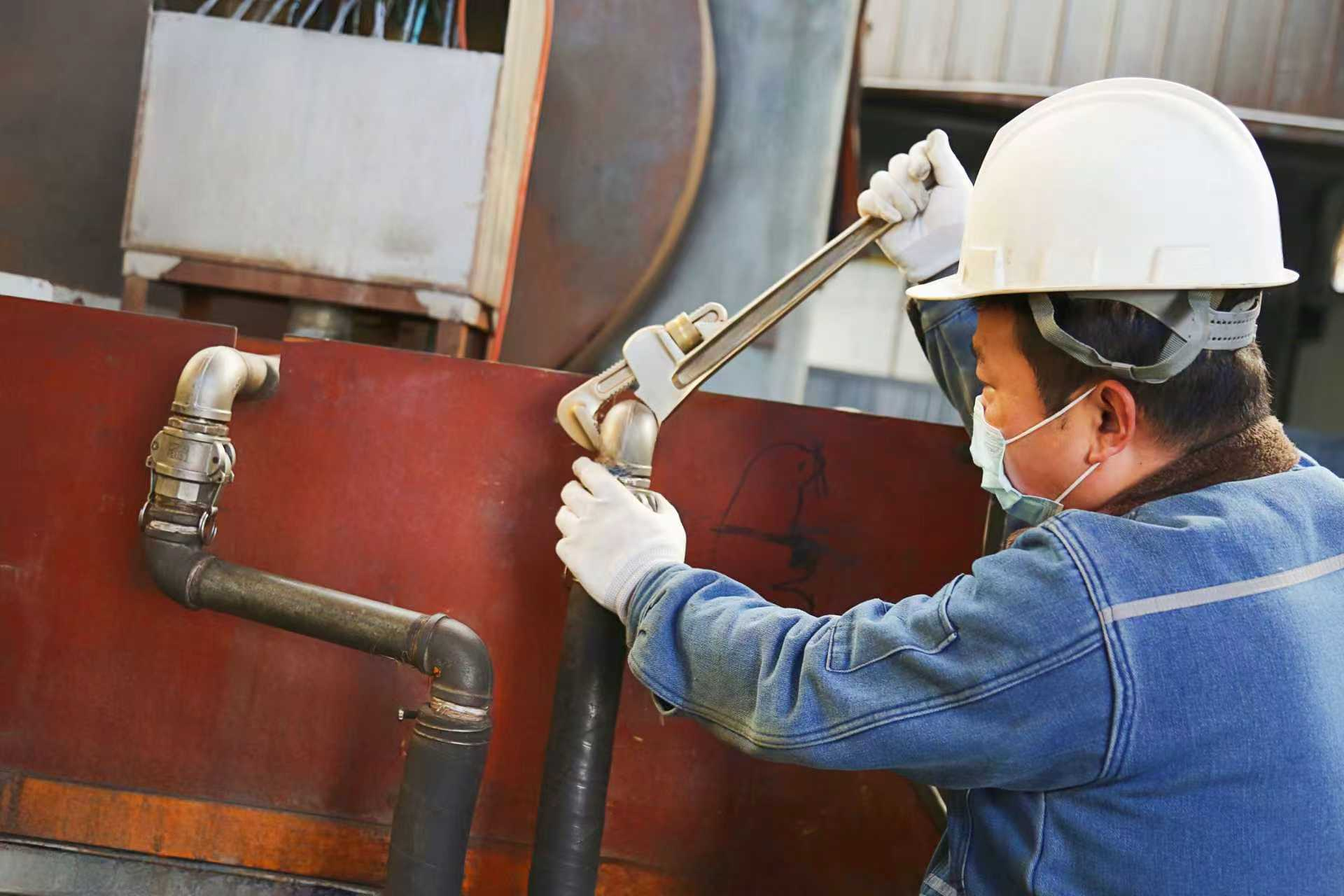
What Are Non Sparking Tools? Definition and Core Principles
Non-sparking tools serve as safety equipment meant to stop sparks from igniting things in places where flammability is a big concern. These include spots like oil refineries, chemical manufacturing facilities, and other areas where explosions could happen. What makes them different from regular metal tools is their construction material. They're typically crafted from copper based metals such as beryllium copper alloy, aluminum bronze, and various types of brass. When these materials come into contact with surfaces during work tasks, they generate far fewer sparks than standard steel would. The main purpose here is straightforward really - getting rid of potential fire starters in dangerous work zones governed by regulations like ATEX or NEC standards. After all, we're talking about environments where just a tiny spark might lead to catastrophic consequences. Some recent studies back this up too. One industry safety document from around 2021 showed that replacing normal steel tools with non-sparking versions cut down on ignition incidents by roughly 80 percent in refinery settings alone.
Copper-Alloy Materials Behind Non Sparking Tools and Why They Matter
The effectiveness of non sparking tools stems from their copper-alloy composition, which combines low friction with high thermal conductivity to dissipate impact energy as heat rather than sparks. The most commonly used materials include:
| Material | Key Property | Ideal Use Case |
|---|---|---|
| Beryllium Copper | High strength, wear resistance | Heavy-duty valve maintenance |
| Aluminum Bronze | Corrosion resistance | Offshore drilling equipment |
| Brass | Cost-effectiveness | General pipeline repairs |
Beryllium copper stands out for its Rockwell hardness of C38–C44 and nonmagnetic properties, offering durability without compromising safety–making it ideal for hydrocarbon processing units where stray sparks could lead to catastrophic outcomes.
How Non Sparking Tools Differ from Standard Steel Tools in Performance
Regular steel tools can be dangerous in places where flammable materials are present because they contain iron that creates sparks when heated above around 1500 degrees Fahrenheit (about 815 Celsius). These sparks are hot enough to set off explosions involving gases such as methane or hydrogen sulfide. Non-sparking alternatives keep things much safer since they only reach about 500 degrees F (roughly 260 C) during normal use thanks to special metal mixtures used in their construction. Sure, copper based tools might not last as long as regular steel ones, but preventing accidental fires matters way more in environments where even small mistakes could lead to big problems. Think about working on oil tanks or fixing natural gas lines - using the right kind of tool isn't just good practice, it literally saves lives and protects entire operations from catastrophic failures.
The Science of Spark Prevention in Flammable Petroleum Environments
Mechanics of Spark Generation and the Role of Metal Composition
Sparks happen when metal surfaces rub together or hit each other hard enough to create spots of intense heat over 1000 degrees Celsius. This kind of heat can easily set fire to things like methane gas which burns at around 595C or hydrogen sulfide that catches fire at just 260C. Most standard ferrous tools have a Rockwell hardness rating between 50 and 60 on the C scale, and these tend to create sparks because electrons move so quickly when they touch something else. The non sparking alternatives are made from softer materials like copper beryllium alloys rated around 35 to 40 on the same scale. These materials work differently by bending and deforming slightly when struck, absorbing much of the energy instead of letting it turn into sparks. According to research from NIOSH back in 2021, this approach cuts down spark production by about 92% compared to regular steel tools, making them safer for environments where flammable gases might be present.
Thermodynamic and Frictional Properties That Minimize Ignition Risk
Three key properties make copper-based alloys effective in preventing ignition:
- High thermal conductivity (90–120 W/m·K vs. steel’s 50 W/m·K) disperses heat 2.3x faster
- Low coefficient of friction (0.15 vs. steel’s 0.6) reduces heat buildup by 63% during grinding
- Exothermic reaction suppression through early oxide layer formation at 200–300°C
These characteristics help maintain surface temperatures below the 450°C threshold required to ignite petroleum vapors, as specified in NFPA 77:2023.
How Non Sparking Tools Prevent Fires and Explosions in Hazardous Zones
Non sparking tools help prevent fires by removing possible sparks, which fits right into the safety guidelines set forth by IECEx standards for explosive environments. When tested out at sea in oil rigs, workers found something interesting about copper alloy wrenches compared to regular steel ones. With steel tools, there was typically one methane fire incident happening roughly every 200 operating hours. But when they switched to those copper alloy versions, no such incidents occurred during testing periods lasting up to 1,000 hours according to research published in Oil & Gas Journal back in 2022. Another big plus is how little static electricity these special tools generate. They create less than 0.1 millijoules of static charge while standard steel tools can reach around 25 millijoules. This makes all the difference in hazardous locations classified as Class I Division 1 where even tiny amounts of energy might ignite dangerous substances like hexane vapor, which only needs about 0.24 millijoules to catch fire.
Critical Applications of Non Sparking Tools Across the Oil and Gas Sector
Use of Non Sparking Tools in Oil Refineries and Processing Units
Oil refinery workers deal with serious explosion dangers every day because of all the benzene and methane floating around. That's why they need those special non-sparking wrenches, sockets, and hammers when doing maintenance work. According to some recent safety checks done last year, about three quarters of all fires during maintenance came from regular steel tools hitting rusty spots on equipment. Switching out those standard tools for the non-sparking versions completely stops this particular problem. Plus these specialized tools hold up much better against sour gas (that H2S stuff) which eats away at normal metal over time. So not only do they keep people safer, but they last longer too in these harsh conditions.
Offshore Drilling Platforms: Safety Demands and Tool Requirements
Working on offshore platforms presents some pretty specific problems. The spaces are cramped, there's constant exposure to salt water, and flammable gases hang around all the time. Because of this environment, workers typically rely on specialized tools like beryllium copper hammers and aluminum bronze cable cutters when doing those tricky subsea repairs or working at wellheads. These tools aren't just chosen randomly either. They're made to weigh somewhere between four and eight pounds, which makes them easier to handle during those long grueling shifts out at sea. But weight isn't the only consideration. All this equipment has to meet strict safety standards too, specifically ISO 80079-36 requirements that help prevent explosions in hazardous areas where sparks could cause major issues.
Maintenance in Petrochemical Storage Facilities with Flammable Vapors
Storage tanks containing gasoline or ethylene require strict spark control during maintenance. Non sparking tools enable safe work in vapor-rich zones through applications such as:
- Vapor zone repairs: Brass scrapers remove sludge without igniting fumes
- Tank roof adjustments: Bronze-guided torque wrenches secure bolts below Lower Explosive Limits (LEL)
- Leak containment: Copper-alloy clamps seal ruptures with less than 0.35 millijoules of friction energy
Emergency Repairs in High-Risk Zones Using Certified Non Sparking Tools
During LNG line ruptures, emergency crews deploy ATEX-certified non sparking kits to isolate valves within 90 seconds–five times faster than conventional methods, according to 2022 field trials. These tools withstand extreme pressures (over 100,000 PSI) while maintaining spark resistance, helping prevent cascading failures in blowout scenarios.
Safety Benefits and Proven Risk Reduction with Non Sparking Tools
Reducing Fire and Explosion Hazards in Combustible Work Environments
Copper-beryllium alloys require 9.3x more energy to generate sparks than standard steel (Ponemon 2023). In environments where methane exceeds its lower explosive limit (4.2%), non sparking tools reduce combustion risk by 81%, based on refinery audits. Additional benefits include:
- Zero reported spark incidents in ATEX Zone 1 after full transition to non sparking toolkits
- 63% faster dissipation of residual heat from tool surfaces due to superior thermal conductivity
Protecting Workers and Improving Long-Term Industrial Safety Outcomes
OSHA data shows a 73% decline in combustible-material-related injuries at refineries using certified non sparking tools since 2020. Unlike brittle steel tools, copper alloys deform under stress rather than shatter–reducing secondary hazards near electrical systems. Facilities complying with ANSI/ISEA 121-2018 observe significantly improved safety metrics:
| Metric | Non Sparking Tools | Steel Tools |
|---|---|---|
| Average annual fires | 0.2 | 4.7 |
| Lost workdays | 8 | 114 |
Case Study: Decline in Incidents After Adoption of Non Sparking Tool Protocols
At a refinery somewhere in North America, they managed to stop those recurring fire problems completely after swapping out nearly all their steel tools for ones that don't spark. The facility had been dealing with 11 fires every year before this change. For about 18 months straight, workers handling benzene units didn't experience even one Class B fire incident, which is pretty impressive considering repairs actually went up by around 22% during that time frame. Looking at what saved them money? Well, internal assessments later showed something like $2.7 million worth of savings from not having to pay insurance claims and dodge those costly OSHA fines that come with workplace accidents. Pretty good return on investment if you ask me.
Regulatory Standards and Compliance for Non Sparking Tools in Petroleum
OSHA and ANSI Regulations for Tool Use in Flammable Atmospheres
The Occupational Safety and Health Administration requires workplaces with flammable materials to use non-sparking tools according to regulation 29 CFR 1910.242. Basically, this means employers must supply equipment that won't create sparks and potentially start fires. The ANSI B107 standards go into detail about what materials should be used and how these special tools need to be tested before they're put into service near explosive gases. Why all these rules? Well, looking at data from the 2023 Industrial Safety Report paints a pretty clear picture. Companies that don't follow these safety guidelines end up paying an average of about $740k per incident when something goes wrong. That kind of money could buy a lot more than just new tools!
Certification Processes for Non Sparking Tools in Industrial Settings
Third-party laboratories certify non sparking tools through rigorous friction tests in methane-air mixtures and detailed metallurgical analysis. To meet ATEX Directive 2014/34/EU requirements, tools must emit less than 0.025 millijoules of ignition energy–89% lower than typical steel tools. Annual recertification ensures ongoing reliability, especially in corrosive offshore conditions.
How Compliance Lowers Legal, Financial, and Operational Risks
When facilities follow OSHA and ANSI guidelines, they often experience insurance premium cuts ranging from 18 to 22 percent according to the Global Safety Index for 2023. Plus, companies save around $136,000 on average for each incident they manage to prevent before it becomes a problem. For businesses working with ISO 80079-36 certified equipment, there's another benefit worth noting. These organizations face about 41% fewer interruptions during safety checks in areas where volatile organic compounds are present. This means less downtime overall while still maintaining good standing with regulatory bodies, which is something plant managers appreciate when trying to keep operations running smoothly day after day.
FAQ Section
What are non-sparking tools made of?
Non-sparking tools are usually made from copper-based metals such as beryllium copper alloy, aluminum bronze, and various types of brass.
Why are non-sparking tools important?
They are important because they prevent sparks that could ignite flammable materials in hazardous environments, reducing the risk of fires and explosions.
How do non-sparking tools differ from regular steel tools?
Non-sparking tools do not create sparks because they dissipate heat differently, whereas regular steel tools can create sparks, posing a fire risk in flammable environments.
What industries use non-sparking tools?
Industries such as oil refineries, chemical manufacturing facilities, and offshore drilling platforms use non-sparking tools extensively due to the presence of flammable materials.
Table of Contents
- What Are Non Sparking Tools? Definition and Core Principles
- Copper-Alloy Materials Behind Non Sparking Tools and Why They Matter
- How Non Sparking Tools Differ from Standard Steel Tools in Performance
- The Science of Spark Prevention in Flammable Petroleum Environments
- Critical Applications of Non Sparking Tools Across the Oil and Gas Sector
- Safety Benefits and Proven Risk Reduction with Non Sparking Tools
- Regulatory Standards and Compliance for Non Sparking Tools in Petroleum
- FAQ Section