
 EN
EN
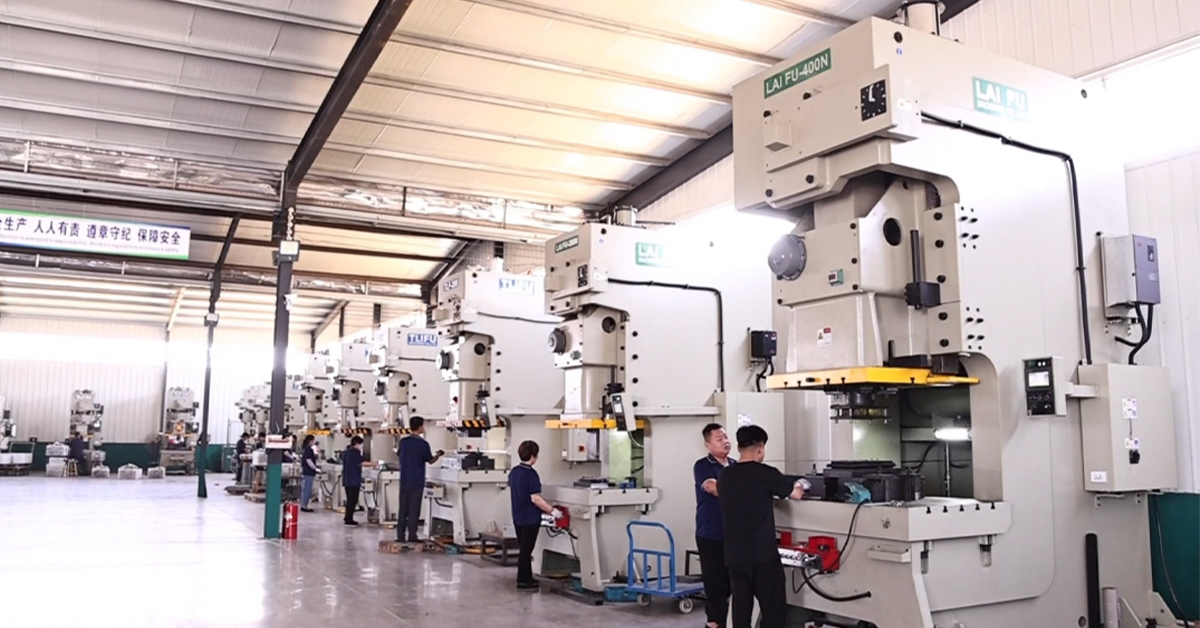
Key Material Properties That Impact Metal Stamping Parts Performance
Tensile strength, ductility, and formability: How they affect part accuracy and tool life
The tensile strength of a material basically tells us how well it resists changing shape when force is applied, which matters a lot for keeping stamped parts stable dimensionally. Alloys that go above 1000 MPa in strength can handle heavy loads better, though they come with tradeoffs like needing tougher tools and causing more wear on dies over time. Ductility affects how much a material can stretch before breaking. Most materials need at least 15% elongation capability, like those annealed copper alloys we see so often in manufacturing shops, to pull off deep drawing operations without cracking. When it comes to forming shapes, materials that are easier to work with open up design possibilities. Metals that aren't very formable limit what kind of bends can be made and create bigger problems with springback after stamping, making it harder to hit tight tolerances. This becomes especially important for intricate parts used in medical devices or aerospace applications where having just the right amount of flexibility allows manufacturers to achieve +/- 0.05 mm precision while cutting down on waste by around 30% compared to working with brittle materials instead.
Corrosion resistance, weldability, and surface finish compatibility with downstream processes
The ability to resist corrosion really makes a difference in how long materials last when exposed to harsh conditions. Stainless steels containing at least 10.5 percent chromium stand up well against chemicals, which is why they're often used in cars and boats where parts need to survive tough environments. When it comes to welding, the carbon content matters a lot. Steels with less than 0.25 percent carbon tend to weld better because they don't crack as easily around the heated area during the process. This area affected by heat is called the HAZ, and problems there can ruin entire assemblies. What the surface looks like also determines what kind of finishing work can be done afterward. Aluminum naturally forms an oxide layer that helps it take anodizing treatments evenly across its surface. But high sulfur steels with rough surfaces just won't hold onto plating properly. For making electronic casings, manufacturers look for surfaces no rougher than 0.8 micrometers according to Ra measurements. Getting this right means conductive coatings stick properly without needing extra polishing steps later on.
Top Ferrous Metals for High-Volume Metal Stamping Parts
Cold-rolled carbon steel: Cost-effective strength and stamping consistency
Cold rolled carbon steel offers great bang for the buck when manufacturing in large quantities. The material typically has tensile strength ranging from around 280 to 550 MPa, plus maintains consistent dimensions across production runs. What really stands out is how uniform the grain structure is throughout the metal, which means parts don't warp as much after forming. This reduces waste significantly compared to hot rolled options, cutting down on scrap by about 15% in many cases. For manufacturers looking at cost effectiveness without sacrificing quality, this steel works wonders for making things like car suspension components, electrical boxes, and various industrial parts where precision matters most when producing thousands or even millions of units.
Stainless steels (304, 316, 430): Balancing corrosion resistance and tool wear in custom metal stamping parts
Stainless steel gives good protection against corrosion in tough environments, though it can be tough on tools because the material tends to work harden quickly during processing. Grade 304 is pretty versatile and costs less money than other options. If someone needs something that stands up to saltwater exposure, then Grade 316 would be better since it resists chlorides so well. The 430 ferritic stainless keeps looking consistent even after multiple stamping runs, which makes it great for things like decorative parts or medical instruments where appearance matters. Some shops have found that applying advanced coatings such as titanium aluminum nitride (TiAlN) actually increases die life by around 40 percent according to their production records. While these coatings do come with higher upfront costs for tooling, many manufacturers find they pay off over time through reduced downtime and maintenance expenses.
Leading Non-Ferrous Options for Precision Metal Stamping Parts
Aluminum alloys (5052, 6061): Lightweight formability and anodizing readiness
In precision stamping applications where reducing weight matters most, aluminum alloys are the go to material choice, particularly for parts used in aircraft manufacturing and electric vehicles. The 5052 and 6061 grades stand out because they offer both good workability and impressive strength relative to their weight, which means manufacturers can create intricate shapes without worrying about cracks forming during production. These materials also resist corrosion naturally and work well with electrochemical processes, making them perfect for things like anodized cases, cooling components, and housing units that need protection from electromagnetic interference. When compared to steel alternatives, these aluminum options typically save around 60% in weight, which explains why so many industries have made the switch.
Copper, brass, and phosphor bronze: Electrical conductivity, spring characteristics, and EMI shielding capability
Copper based alloys have their own special roles when it comes to electrical performance, how they respond dynamically, or their ability to block interference. Take pure copper for instance it's basically unbeatable when it comes to conducting electricity, which makes it perfect for connectors and those big busbars we see in power systems. Brass works great too because it's easier to machine and stands up better against corrosion, so it shows up a lot in parts for fluid systems. Then there's phosphor bronze, which really shines in spring contacts and terminals since it doesn't break down over time and keeps its shape even after repeated stress. What's interesting is all these materials naturally shield against electromagnetic interference, especially phosphor bronze that stays strong through temperature changes without losing its form. Plus, their antimicrobial properties make them ideal choices for things like medical devices where cleanliness matters or equipment used in food processing areas where bacteria control is critical.
Specialty Alloys for Critical-Performance Metal Stamping Parts
In situations where failure isn't an option, specialty alloys make all the difference for stamped parts used across industries from aerospace to medical devices and power generation. Take titanium for instance. This metal has become a go to material because it combines incredible strength with surprisingly low weight. At around half what steel weighs, titanium can still hold up to over 900 MPa of tension force. That's why we see it so much in critical aircraft components and implantable medical devices where both durability and body compatibility matter. Then there's nickel based superalloys such as Inconel that handle extreme heat environments nobody else can touch. These materials stay strong even when exposed to temperatures exceeding 1000 degrees Celsius, which is why they're essential in jet engine construction and harsh chemical processing plants. Beryllium copper stands out too with its ability to conduct electricity well while maintaining spring characteristics after thousands of load cycles. This makes it perfect for applications like high cycle connectors and radio frequency shielding solutions. And let's not forget magnesium alloys either. They weigh about three quarters less than steel yet maintain structural integrity, allowing manufacturers to significantly cut down on weight in cars and planes without compromising safety standards. Working with these advanced materials does present some manufacturing challenges requiring specialized tools and careful process management due to work hardening effects. Still, when regular metals simply won't cut it, these specialty alloys remain the only viable solution.
FAQs
What is tensile strength and why is it important in metal stamping?
Tensile strength is the ability of a material to resist deformation under tension. It is crucial in metal stamping as it determines how well stamped parts can maintain their shape and dimensions under stress.
How does ductility affect metal stamping processes?
Ductility refers to the material's ability to deform without breaking. Good ductility is essential in stamping processes to prevent cracking during operations like deep drawing.
Which metals are most suitable for high-volume stamping?
Cold-rolled carbon steel and stainless steels (304, 316, 430) are popular choices for high-volume stamping due to their strength, consistency, and corrosion resistance.
Why are aluminum alloys favored for precision stamping?
Aluminum alloys like 5052 and 6061 offer lightweight formability and good strength, making them ideal for precision applications requiring intricate shapes.
What challenges are associated with using specialty alloys in stamping?
Specialty alloys such as titanium and Inconel can require advanced tooling and careful process management due to work hardening effects, posing unique manufacturing challenges.