
 EN
EN
Dear new customers, welcome to Cangzhou Deeplink International Supply Chain Co., Ltd.! With more than 10 years of deep roots in the metal processing industry, we possess a full-industry-chain metal processing capability, providing a wide range of products and services including customized metal processing, stainless steel parts, and various metal formed products. We are committed to delivering customized solutions for the global high-end manufacturing sector with "fast delivery, exquisite craftsmanship, and stable quality".
Standardized and accurate drawings are the core prerequisite for us to quickly calculate costs and provide precise quotations. Combined with our company's complete testing capabilities, micron-level high-precision processing standards, and mature OEM/ODM customized service experience, we have compiled this guide for drawing submission to help you efficiently complete quotation requests, reduce communication costs, and make the first step of cooperation smoother.
1. Clarify These 6 Core Requirements Before Submitting Drawings
Drawings are the "technical blueprint" for product processing, and clear requirement information is the basis of quotation. When submitting drawings, please inform us of the following information simultaneously, so we can skip the information confirmation step and quickly enter quotation calculation:
- Product Application Scenario: Specify the specific field of application (such as automotive, new energy, electronics, general machinery, etc.), so we can match the corresponding processing technology and quality standards.
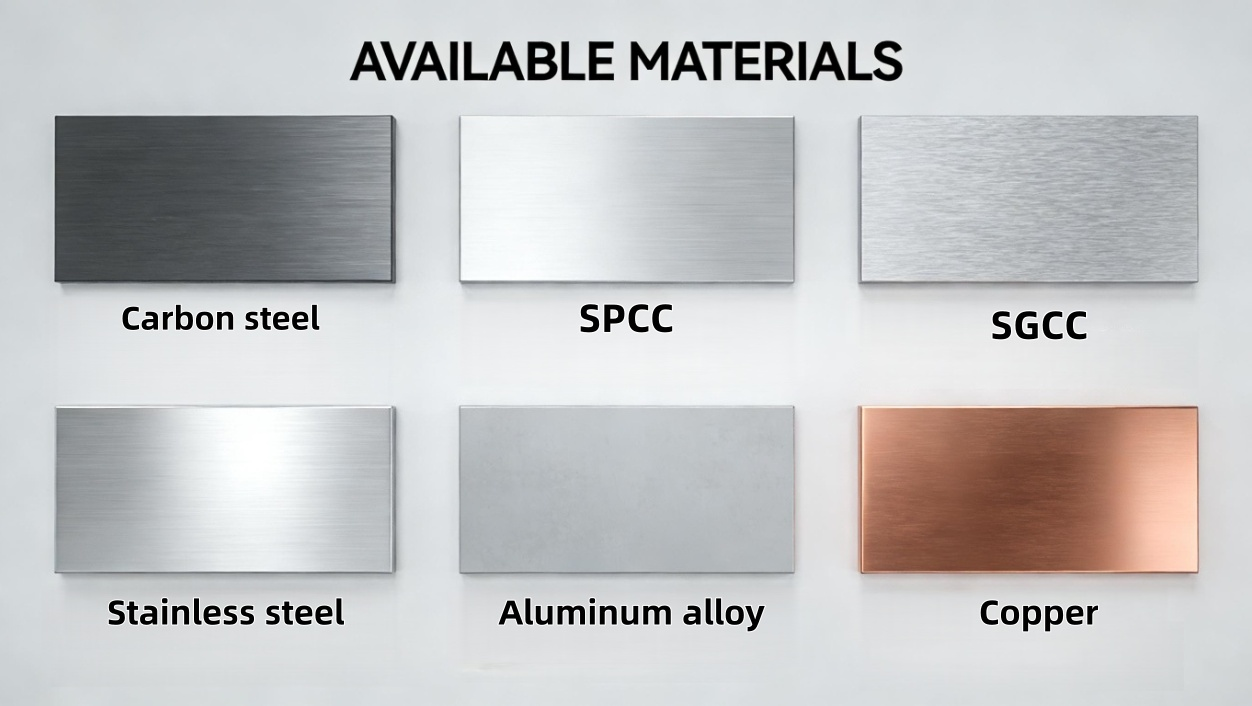
- Specific Material Requirements: Clearly state the main material and its grade, such as 304/316 stainless steel, carbon steel, aluminum alloy, galvanized sheet, brass, etc. If there are special performance requirements (such as corrosion resistance, low magnetism, high strength, etc.), please specify them together.
- Designated Processing Technology: If you have clear process requirements, you can directly specify them (such as laser cutting, CNC machining, metal stamping, deep drawing, welding and riveting, bending processing, etc.). If not, our technical team will select the optimal process based on the drawing structure and precision.
- Order Quantity and Delivery Time: Inform us of the estimated purchase quantity (trial order / small batch / large batch) and expected delivery cycle. The order quantity directly affects cost calculation, and we will reasonably arrange production scheduling according to delivery priority.
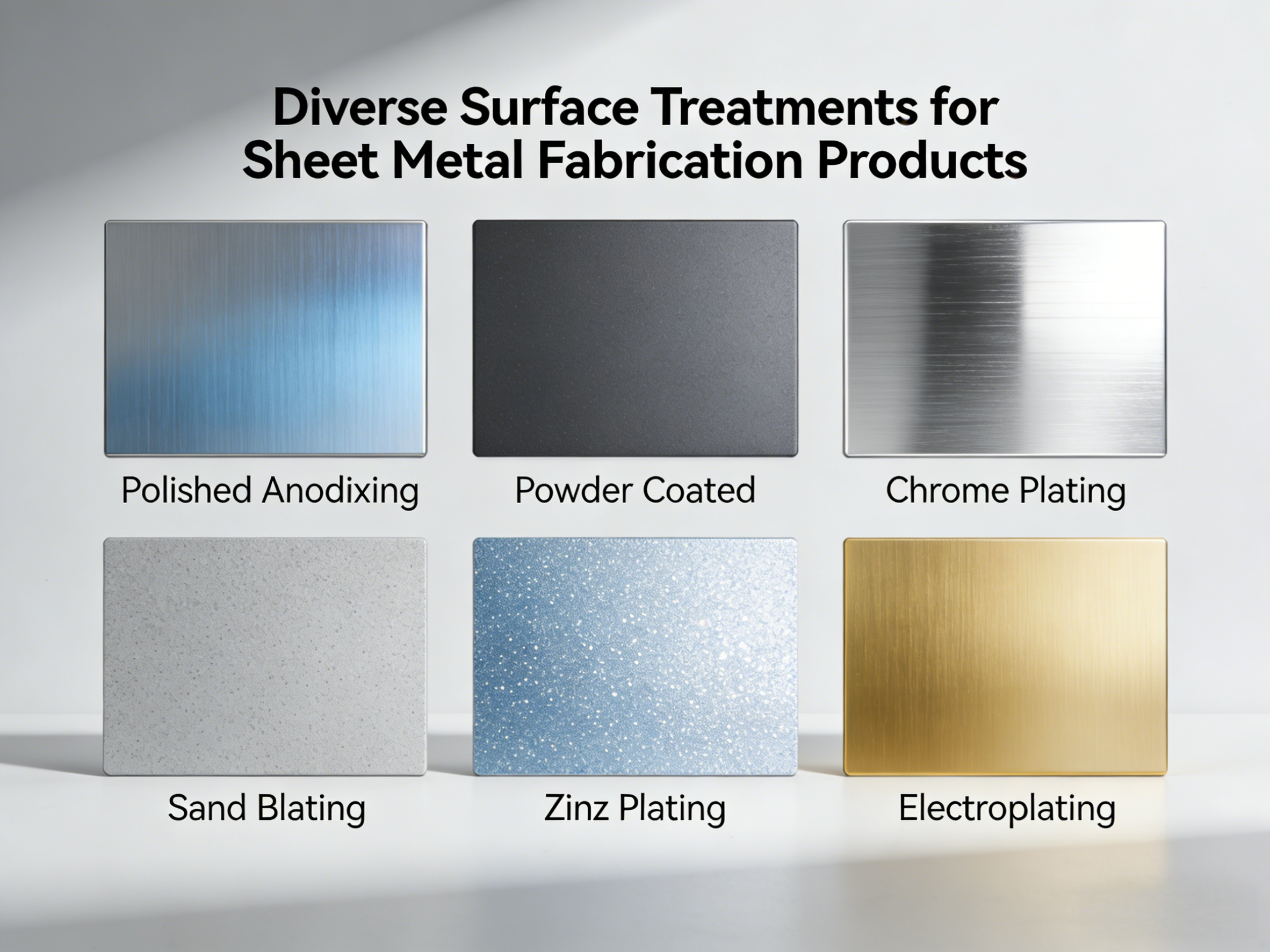
- Surface Treatment: We provide a full range of surface treatment services, including polishing, anodizing, powder coating, chrome plating, sandblasting, galvanizing, electroplating, silk-screen printing, etc. You can specify your exact requirements; if not, we will follow industry general standards.
- Other Customization Requirements: Such as sample testing needs, certification requirements (such as SGS, RoHS, REACH, ISO series, etc.), special packaging and transportation needs, supporting assembly requirements, etc.
2. Core Drawing Specifications: 3 Key Points for Error-Free Quotations
In compliance with international mechanical drawing standards and our company's high-precision processing requirements (micron-level tolerances), the marking, precision, and format of drawings directly determine the accuracy of quotations and processing feasibility. Please strictly follow the 3 core specifications below:
1. Dimension and Tolerance Marking: Standardized, Clear, and Datum-First
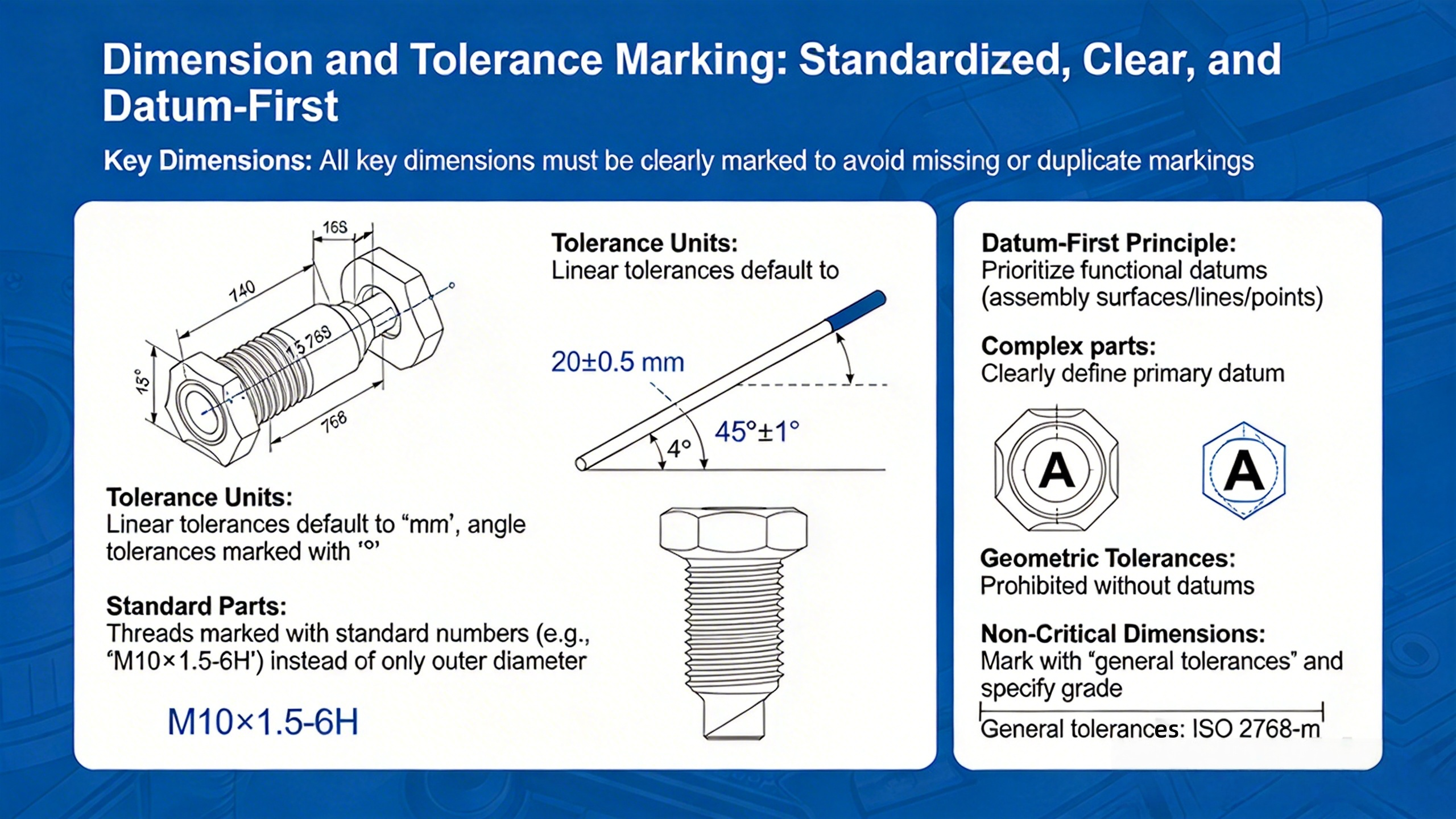
- All key dimensions must be clearly marked to avoid missing or duplicate markings. The default unit for linear tolerances is mm, and angle tolerances must be marked with °. For standard parts such as threads, mark the corresponding standard number (e.g., M10×1.5-6H) instead of only the outer diameter.
- Tolerance marking follows the "datum-first" principle. Prioritize functional datums of the product (such as key assembly surfaces/lines/points). For complex parts, clearly define the primary datum; geometric tolerances without datums are prohibited. Non-critical dimensions can be marked with "general tolerances" and specify the grade to avoid unnecessary cost increases caused by strict tolerances on all dimensions.
- Assembly parts must be marked with fit tolerances and fit types (such as clearance fit, interference fit) to ensure proper assembly of subsequent products.
2. Precision Marking: Match Processing Capability, Do Not Blindly Pursue "The Stricter The Better"
Our company has modern automated production lines with high automation rate, capable of micron-level tolerance processing, high-precision laser cutting, precision CNC machining, etc. Different processing technologies correspond to different reasonable tolerance grades.Please mark precision according to actual application requirements, and do not blindly pursue overly strict tolerances. If the marked tolerance exceeds processing capacity, we will promptly communicate and optimize the plan with you. If the marking is too loose to meet product functions, our technical team will also provide free drawing optimization suggestions.
3. Eliminate Ambiguous Expressions, Ensure "Unique Interpretation" of Drawing Information
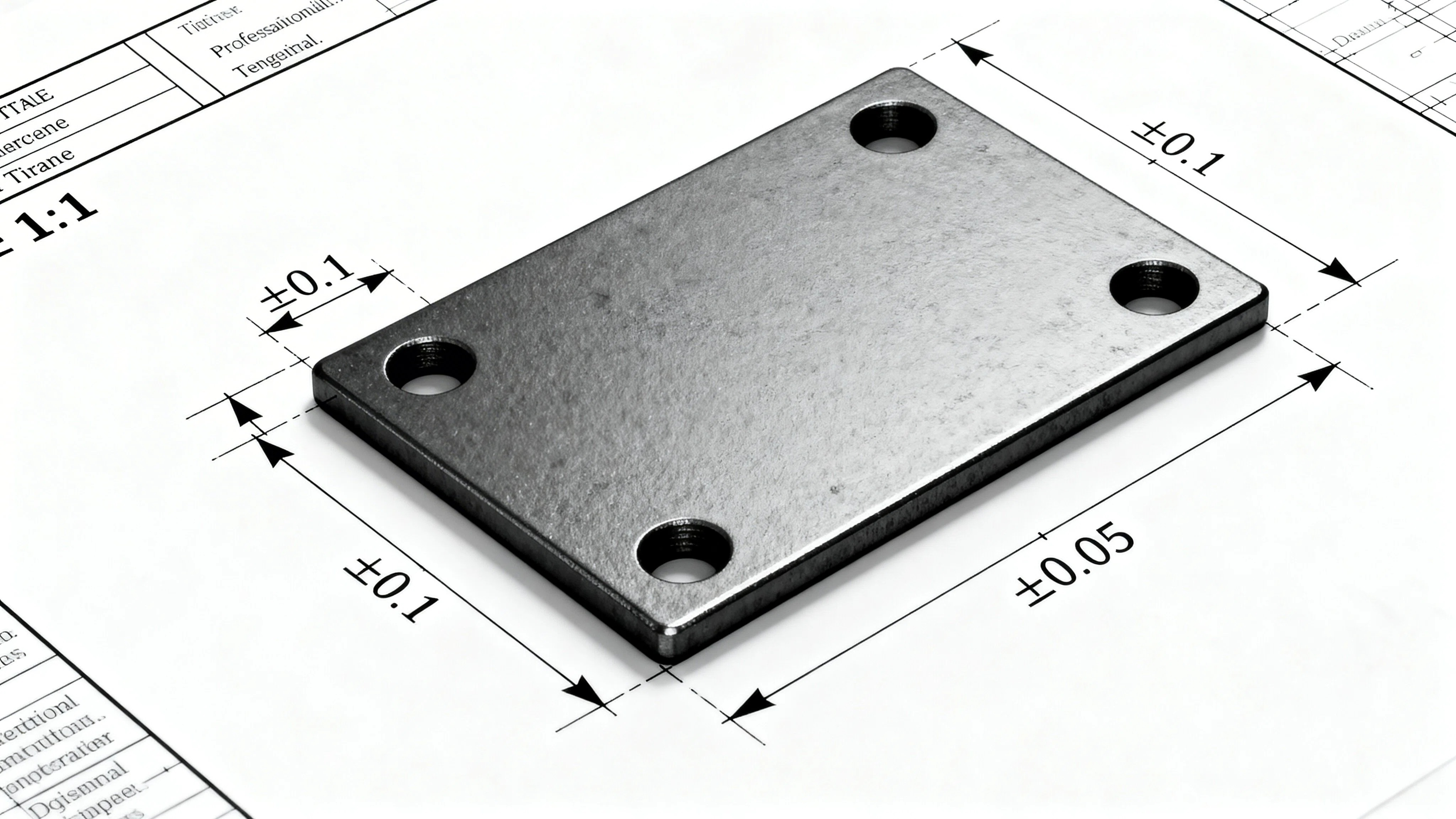
Ambiguous descriptions such as "approximately" and "around" are prohibited in drawings. All technical requirements must be clearly stated in text or standard engineering symbols. Geometric tolerances (such as roundness, flatness, coaxiality) must be marked separately in tolerance frames to avoid confusion with dimensional tolerances. Process difficulties of metal parts (such as deep holes, thin walls, special-shaped curved surfaces, complex bending) can be specially marked on drawings for the technical team to evaluate processing feasibility in advance.
3. Recommended Drawing Formats and Submission Methods: Prioritize High-Definition Vectors, Reject Blurry Files
To enable the technical team to quickly and accurately identify drawing information, vector-format drawings are strongly recommended to avoid dimensional misjudgment caused by blurry images. Specific format requirements and submission methods are as follows:
1. Recommended Drawing Formats
- 2D Engineering Drawings: CAD (dwg/dxf), editable high-definition PDF;
- 3D Models: STEP, IGES, SolidWorks (sldprt/sldasm);The above formats can be directly used for process breakdown, cost calculation, and production programming, making them the most efficient submission methods.
2. Solutions Without Professional Drawings
If you do not have standardized engineering drawings, you can provide clear hand-drawn sketches + detailed parameter descriptions (including dimensions, tolerances, materials, structural requirements, assembly relationships, etc.). Our professional technical team can provide free drawing design services to convert sketches into standardized processing drawings that meet production requirements.
3. Unacceptable Drawing Forms
Please avoid submitting blurry mobile phone photos, low-pixel screenshots, uneditable fuzzy PDFs, and uncalibrated schematic diagrams. Such documents easily lead to dimensional recognition errors, which not only prolong quotation time but also affect subsequent processing precision and product quality.
4. Drawing Submission Method
Organize drawing files + the above core requirement information and contact our customer service directly, or submit via the "Request A Quote" channel on the official website. We recommend naming files as "Product Name-Date-Company Name" for quick filing, communication, and follow-up.
4. Special Structural Parts: Exclusive Marking Requirements for Drawings
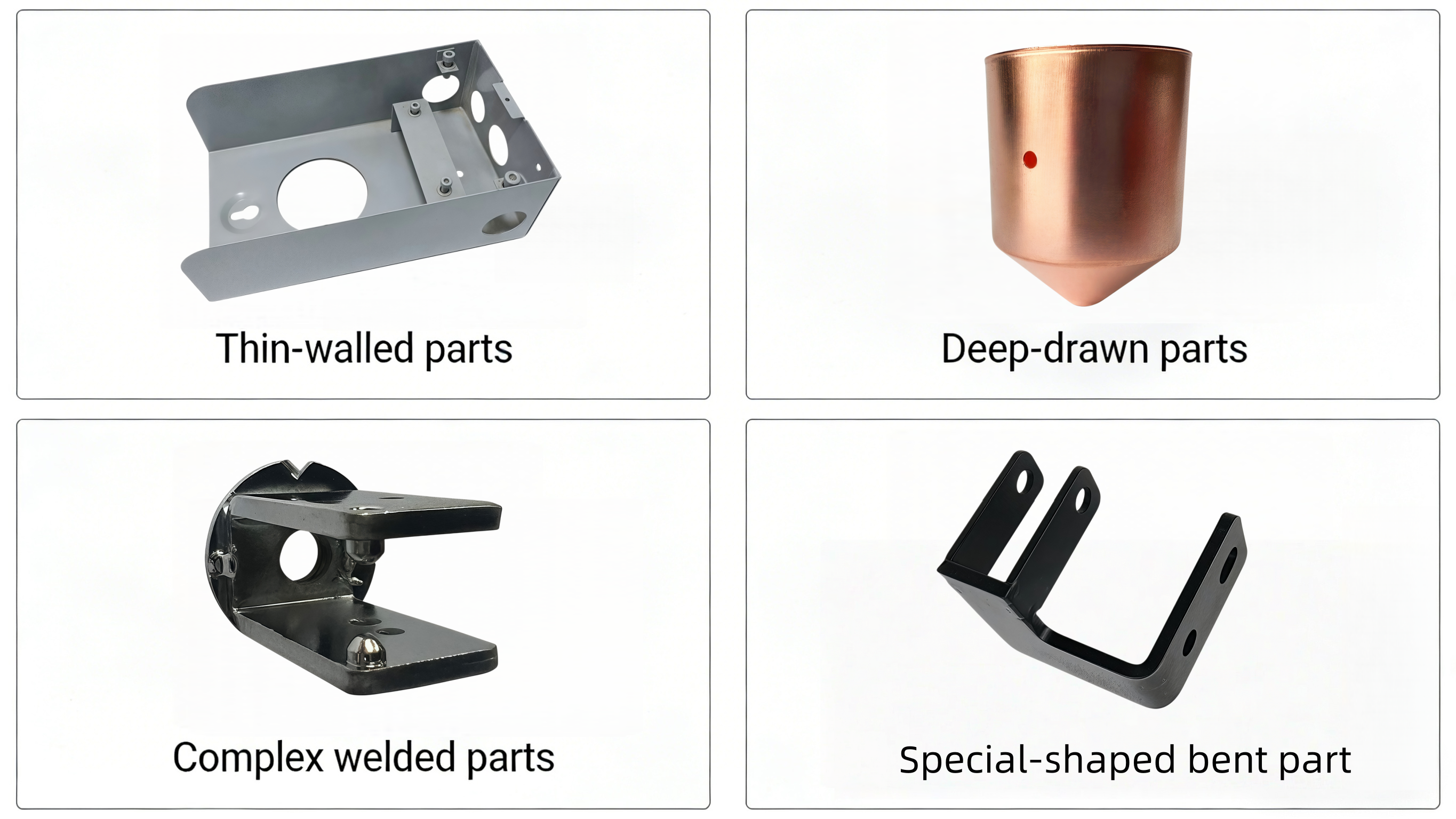
For special structural metal parts such as special-shaped parts, thin-walled parts, deep-drawn parts, and complex welded parts, in addition to the above general specifications, exclusive marking instructions must be added to the drawings to ensure the rationality of processing plans and product quality:
- Thin-walled parts must be marked with the minimum wall thickness and anti-deformation requirements for us to select appropriate processing equipment and clamping methods;
- Deep-drawn parts must be marked with drawing height, fillet radius, drawing times, and whether intermediate annealing is required;
- Complex welded parts must be marked with welding method (such as argon arc welding, spot welding, gas shielded welding), welding standard, and post-welding treatment requirements (such as grinding, flaw detection, heat treatment);
- Special-shaped bent parts must be marked with bending angle, bending radius, bending direction, and whether bending allowance is required.
5. After Drawing Submission: Our Exclusive Services for Efficient Quotation and Production
After you submit drawings and requirements in accordance with specifications, Deeplink will provide you with exclusive full-process services to ensure efficient quotation and smooth production, eliminating your need to coordinate with multiple suppliers:
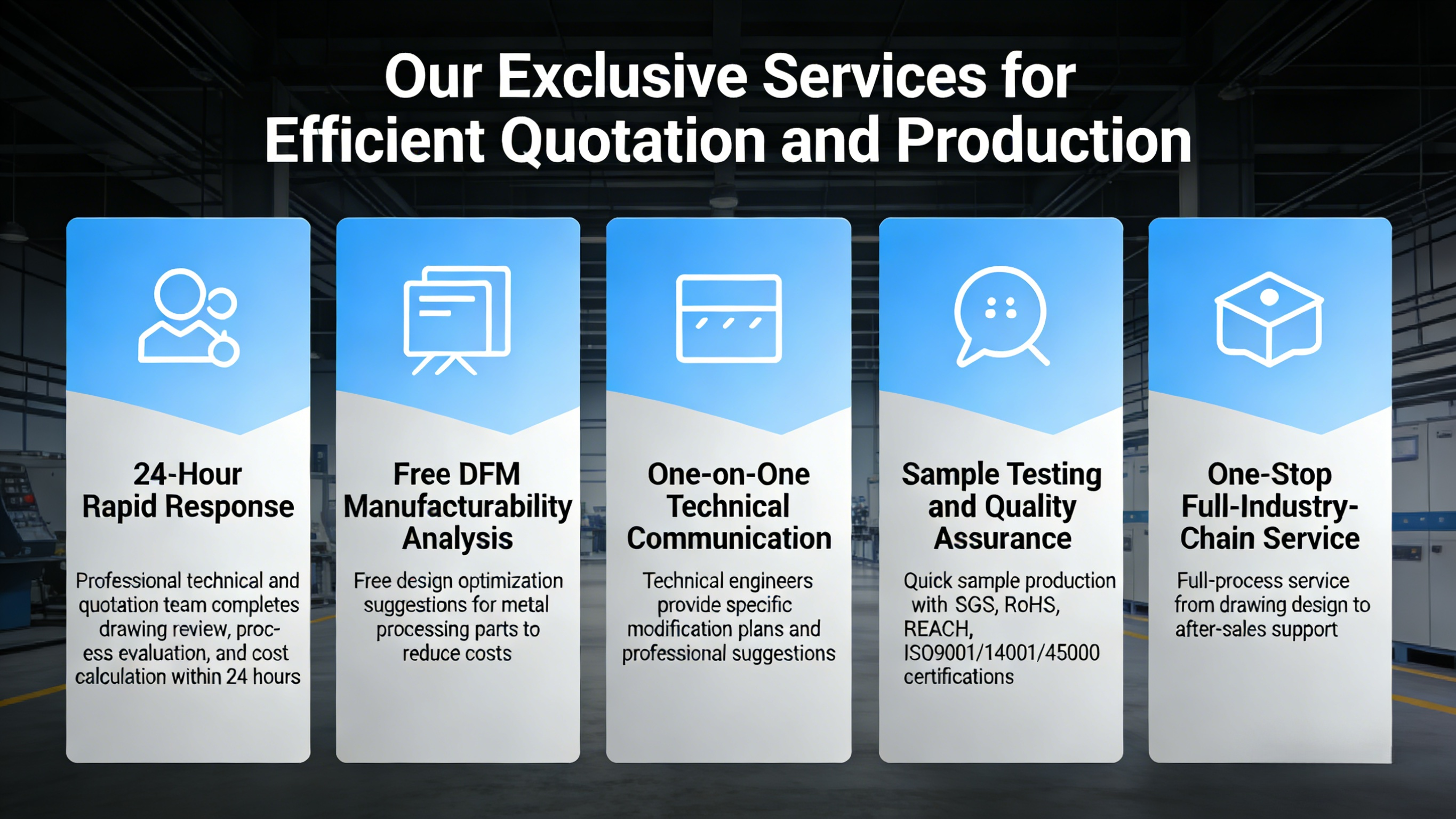
- 24-Hour Rapid Response: Our professional technical and quotation team will complete drawing review, process evaluation, and cost calculation within 24 hours, and feedback the quotation to you as soon as possible;
- Free DFM Manufacturability Analysis: For all metal processing parts, we provide free design optimization suggestions to optimize processing technology, reduce processes, and lower production costs while meeting product functions;
- One-on-One Technical Communication: If drawings need optimization, technical engineers will communicate with you one-on-one, providing specific modification plans and professional suggestions to ensure consistent understanding of product technical requirements;
- Sample Testing and Quality Assurance: If you require sample testing, we will quickly produce samples and provide corresponding test reports. All products comply with certifications such as SGS, RoHS, REACH, ISO9001/14001/45000 to ensure quality;
- One-Stop Full-Industry-Chain Service: We provide a full-process one-stop service from drawing design, sample testing, mechanical processing, surface treatment to packaging, transportation, and after-sales support, realizing "one-stop" implementation of product customization.
Friendly Reminder
If you have any questions during drawing creation and submission, please feel free to contact our technical consulting team for free professional guidance and answers.With rich experience in the metal processing industry, complete testing capabilities, and a full-industry-chain metal processing system,Deeplink has provided high-quality products and customized services for many well-known enterprises. We always treat every drawing and quotation request with professionalism, efficiency, and rigor.
We look forward to establishing long-term and stable cooperation with you through accurate quotations, exquisite craftsmanship, and fast delivery!
Table of Contents
- 1. Clarify These 6 Core Requirements Before Submitting Drawings
- 2. Core Drawing Specifications: 3 Key Points for Error-Free Quotations
- 3. Recommended Drawing Formats and Submission Methods: Prioritize High-Definition Vectors, Reject Blurry Files
- 4. Special Structural Parts: Exclusive Marking Requirements for Drawings
- 5. After Drawing Submission: Our Exclusive Services for Efficient Quotation and Production
- Friendly Reminder