
 EN
EN
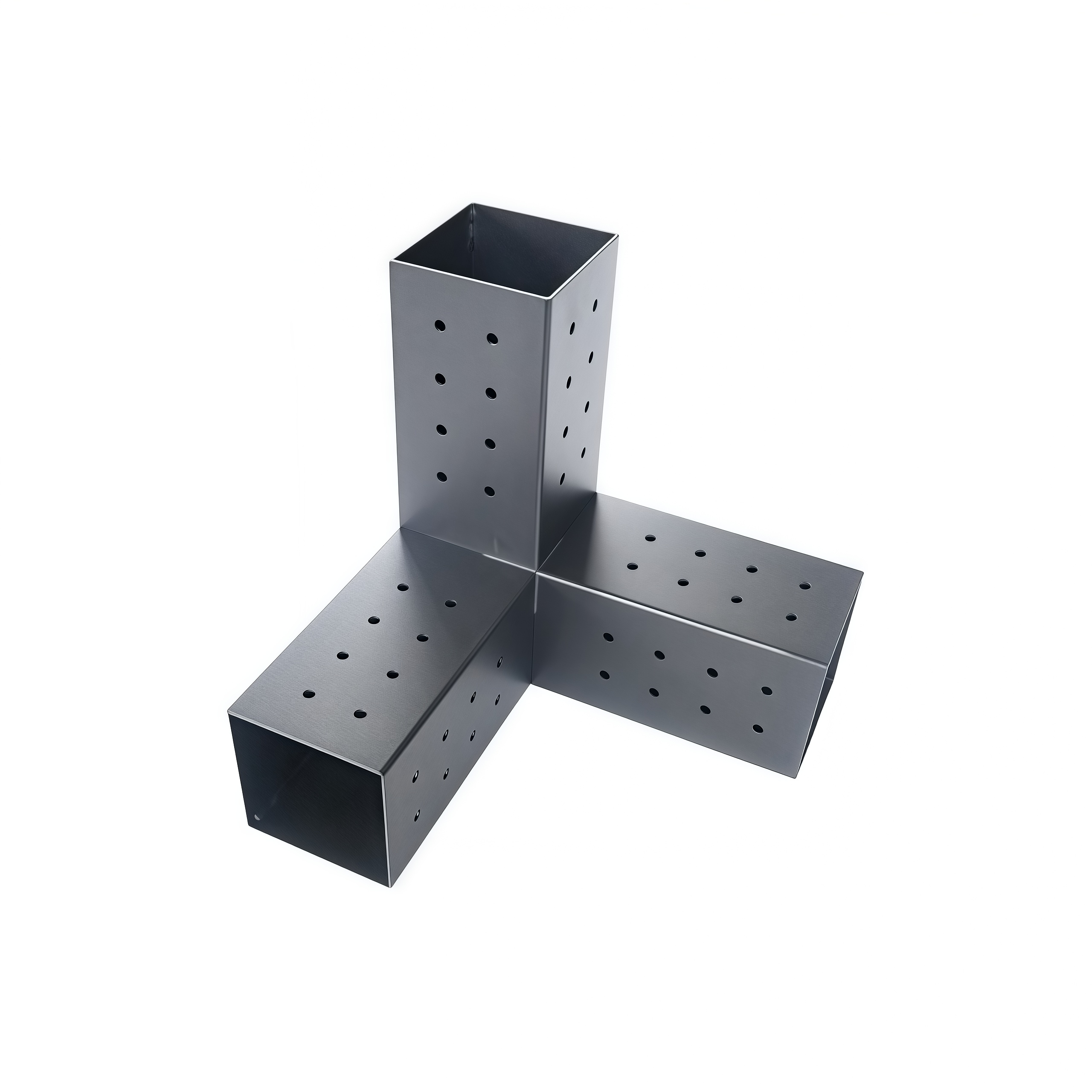
Core Metal Bracket Types for Industrial Equipment Mounting
Gusset, L-, U-, and Z-Brackets: Structural Function and Load Path Optimization
Gusset brackets work by spreading out concentrated loads through joints with triangular reinforcements that help reduce stress buildup at those tricky corner areas. L-brackets are great for creating solid 90 degree angles when mounting frames to panels. Then there's the U-channel bracket which wraps around equipment on three sides, giving it good torsional stability and keeping things from shifting sideways. Z-brackets have this clever design with staggered flanges that actually help separate vibrational energy between parts that are connected together. All these different shapes improve how loads travel through structures, cutting down deflection by about 15 to 30 percent compared to just using flat plates (ASTM E2926-22). When picking materials, engineers need to match them to what the application requires. High strength carbon steel with yields between 250 and 550 MPa holds up well under long term static loads. For situations where weight matters or parts might get exposed to harsh environments, aluminum alloys such as 6061-T6 are better choices because they maintain good strength while being lighter and naturally resistant to corrosion. Standards like ISO 10721 set guidelines for dimensional tolerances so manufacturers can produce consistent results batch after batch.
Performance Under Dynamic Loads: Deflection and Fatigue Resistance at 5,000–15,000 N
When subjected to repeated loading cycles, different bracket types show pretty distinct structural responses. Gusset brackets can handle dynamic forces over 12,000 Newtons before showing any real plastic deformation at around 0.2%, mainly because their reinforced joints help spread out and absorb stress better. For L-brackets, they tend to resist fatigue best between 5,000 and 8,000 Newtons range. These brackets maintain their structural strength for millions of cycles as long as the fillet radius is at least three times the material thickness. When dealing with bigger impact loads around 15,000 Newtons, U-brackets actually bend about 40% less than Z-profiles thanks to those continuous side walls that cut down on harmonic vibrations. According to some finite element analysis published in the Journal of Structural Engineering back in 2023, placing screw holes within 15% of the bracket end points cuts down stress hotspots by approximately 22%. And let's not forget temperature changes either. Stainless steel really shines in these conditions, lasting about three times longer than regular carbon steel when exposed to extreme temperatures ranging from minus 40 degrees Celsius all the way up to 85 degrees Celsius in environments where corrosion is a concern.
Material Selection Criteria for Industrial Metal Brackets
Steel, Stainless Steel, and Aluminum: Balancing Yield Strength, Corrosion Resistance, and Thermal Stability
Choosing materials really comes down to finding that sweet spot between yield strength, how resistant they are to corrosion, and what happens when temperatures change—not just picking the best at one thing alone. Carbon steel stands out because it can handle serious weight with yield strengths ranging from around 250 to 550 MPa, which makes sense for things that need to support heavy static loads. But here's the catch: carbon steel rusts easily so we often need to slap on protective coatings like hot dip galvanization or epoxy powder if it's going to be used outside or somewhere damp. Stainless steel naturally resists corrosion thanks to that chromium oxide layer forming on its surface, which is why we see it everywhere from food processing plants to pharmaceutical facilities. The downside? Its thermal expansion rate sits around 16 to 18 micrometers per meter per degree Celsius, so engineers have to plan extra space or use flexible mounts when working with heat sources. Aluminum alloys like 6061-T6 offer decent strength up to about 300 MPa while staying stable under temperature changes and conducting less heat and electricity than other metals. That makes them great choices for electronic housing or components near ovens. Still, these aluminum parts usually benefit from anodizing treatment to toughen up their surfaces against wear and tear in rough environments.
| Material | Yield Strength Range | Corrosion Resistance | Thermal Expansion Coefficient |
|---|---|---|---|
| Carbon Steel | 250–550 MPa | Low (requires coating) | 11–13 µm/m·°C |
| Stainless Steel | 200–500 MPa | High | 16–18 µm/m·°C |
| Aluminum | 70–300 MPa | Moderate (anodized) | 23 µm/m·°C |
Testing under environmental conditions really highlights the differences between materials. Stainless steel holds up well against pitting when subjected to salt spray according to ASTM B117 standards, whereas aluminum keeps its shape even after going through lots of quick temperature changes. When budgets are tight and the load isn't too heavy, powder coated carbon steel often gives the best bang for the buck in terms of strength versus price. For installations where failure just isn't an option, particularly ones dealing with water exposure, chemical contact, or extreme temperatures, the extra money spent on stainless steel usually pays off over time because it lasts longer and needs less upkeep.
Critical Design Features That Ensure Long-Term Mounting Reliability
Geometry Essentials: Fillet Radii, Hole Placement, and Bending Moment Distribution
The shape and form of a bracket play a huge role in how well it holds up over time. When it comes to fillet radii, aiming for around 8 to 12 mm works best because this eliminates those sharp corners where stress tends to concentrate. According to some recent research from ASM International (2023), this simple adjustment can cut down on cracks forming and actually lowers fatigue failures by about one third. For fastener holes, there's a good reason why engineers recommend placing them at least 2.5 times the material thickness away from edges. This prevents tearing along the edges and keeps the threads properly engaged, which matters a lot when dealing with constant vibrations or temperature changes. Smart designers also think about how forces will travel through the bracket. Tapered or varying thickness designs match up better with where these forces naturally go, making the whole thing stronger relative to its weight compared to standard uniform sections. Studies show this approach boosts strength by roughly 27%. All these geometric considerations work together to keep brackets stable and dependable for many years, even when exposed to harsh conditions like extreme temperatures, sudden impacts, or ongoing mechanical stress.
| Design Parameter | Fault Prevention Function | Risk Reduction Impact |
|---|---|---|
| Fillet Radii | Eliminates stress risers | 34% fewer fatigue failures |
| Offset Hole Placement | Prevents edge deformation & tear-out | 41% higher tear resistance |
| Variable Thickness | Balances bending moments | 27% weight efficiency |
Fastening Compatibility and Assembly Efficiency in Industrial Environments
Threaded Holes (UNC/UNF), Slotted Adjustments, and Tolerance Alignment for Bolted Metal Bracket Installation
The way fastenings are designed really affects how quickly something gets installed and whether the joints stay intact over time. Most folks in the industry go for UNC threads when dealing with equipment that experiences a lot of vibration because they put together about 30 percent quicker than UNF threads according to those ASME standards from 2022. These threads also hold up better against coming loose. When retrofitting old systems or aligning parts on site, slotted adjustments make all the difference since they allow for around plus or minus 2.5 millimeters of wiggle room without needing expensive drilling work or shims. Getting tolerances right between connecting parts matters a lot too. If holes don't line up properly, this creates unexpected stress points that might reach as much as 15% beyond what the bracket was meant to handle, leading to faster wear and potential safety issues down the road. Standardizing these connection points cuts down on mistakes during assembly by almost half, as shown by research from Ponemon back in 2023. Plus, standardized designs work with various tools which becomes super important in tight spots where getting a torque wrench in there is basically impossible. Beyond mere convenience, this kind of compatibility keeps operations running smoothly day after day while maintaining proper tension throughout the life of whatever bracket or component is being used.
FAQ Section
What are the main types of industrial metal brackets?
The main types of industrial metal brackets include Gusset, L-, U-, and Z-brackets. Each type serves different functions and offers variable load distribution capabilities.
How do gusset brackets function under dynamic loads?
Gusset brackets can handle dynamic forces over 12,000 Newtons due to their reinforced joints that help distribute and absorb stress effectively.
What materials are suitable for manufacturing industrial metal brackets?
Common materials include carbon steel, stainless steel, and aluminum alloys like 6061-T6, each offering unique advantages in terms of yield strength, corrosion resistance, and thermal stability.
Why is material selection crucial when designing metal brackets?
Material selection is critical for balancing yield strength, corrosion resistance, and response to thermal changes to ensure optimal performance and longevity in specific environments.
How do design parameters influence the longevity of metal brackets?
Design parameters like fillet radii, hole placement, and variable thickness can significantly impact stress distribution, fatigue resistance, and overall durability of metal brackets.
Table of Contents
- Core Metal Bracket Types for Industrial Equipment Mounting
- Material Selection Criteria for Industrial Metal Brackets
- Critical Design Features That Ensure Long-Term Mounting Reliability
- Fastening Compatibility and Assembly Efficiency in Industrial Environments
-
FAQ Section
- What are the main types of industrial metal brackets?
- How do gusset brackets function under dynamic loads?
- What materials are suitable for manufacturing industrial metal brackets?
- Why is material selection crucial when designing metal brackets?
- How do design parameters influence the longevity of metal brackets?