EN

Finished units instead of loose fabricated parts
Bring fabricated, machined and purchased hardware together under one controlled assembly drawing so fit issues surface at first article.
Send Your Drawing for Review View Equipment & CapacityCustom metal assembly services combine fabricated, machined and purchased components into inspected subassemblies or finished metal units. Assembly control covers interfaces, bill-of-material revisions, joining sequence, hardware and final acceptance checks.
What Are Contract Assembly Services?
Contract assembly is the stage that turns a set of finished components into a working unit by joining, fitting, fastening and checking them against a bill of materials. The components are usually made or purchased to separate drawings, so assembly owns part identification, joining method, interface fit and final function rather than the geometry of any single part. It suits subassemblies, enclosures, frames, mechanical units and kits built from fabricated, machined and bought-in items. Assembly does not correct a component that is already out of tolerance; an interface that will not close is an engineering finding, and the component process or the design is where the fix belongs.
How Assembly Works
Assembly is controlled by part identity, joining sequence and the checks that prove the unit functions, not by the geometry of any single component.
- The bill of materials becomes a kit. Every component, fastener, label and accessory is identified by part number and revision, and the kit is staged so that only the approved revision reaches the station.
- The joining sequence is followed. Fastening, riveting, welding and pressing steps are carried out in a defined order, so a component added later cannot block access to a joint made earlier.
- Fit and function are checked. Interfaces are verified where they mate, moving parts are operated through their range, and electrical or mechanical function is tested where the specification calls for it.
- Final acceptance closes the unit. Hardware is audited against the bill of materials, cosmetic condition is inspected, and the unit is protected and packed with the documentation the order requires.
Assembly Defects and How They Are Prevented
| Potential issue | Typical cause | Prevention or control |
|---|---|---|
| Missing or incorrect hardware | A kit staged with a superseded revision, or a fastener consumed at an earlier station and not replaced | Kits are staged by revision and counted at issue, hardware is audited against the bill of materials before packing, and leftover parts at the station are reconciled |
| Interface mismatch at a joint | Component limits each met on its own but accumulating at the interface, or a mating feature measured from a different datum | Critical interfaces are identified at DFM, the stack is checked before release, and fit is verified on the first unit rather than at the end of the run |
| Cosmetic or finish damage during handling | Parts stacked unprotected, tools used near a finished face, or a fastener pulled down onto a coated surface | Protection is specified between operations, contact tools are used on finished faces, and handling points are defined at the station |
| Fastener not seated or over-driven | Driver setting not matched to the fastener, a damaged thread, or a misaligned hole that pulls the fastener into place | Driver settings are controlled and verified, threads are checked before assembly, and a fastener that will not seat by hand is treated as an interface finding |
| A skipped step in the sequence | The work instruction does not state the step or the check, so completion is assumed rather than confirmed | The instruction states the sequence and the check for each unit, each unit is recorded against its revision, and final inspection confirms function rather than appearance alone |
Recommended when
- A product built from several fabricated, machined and purchased parts.
- A unit where fit, function and interface checks must be owned by one station.
- An order where hardware, labelling and packing are part of the deliverable.
Review another process when
- A design where a single machined or formed body removes the joints.
- A unit so large or heavy that it must be assembled on site.
- A product where a component is out of tolerance and assembly is being asked to close the gap.
Choosing Contract Assembly vs Alternative Routes
| Project condition | Route to review | Why |
|---|---|---|
| Buyer wants to fit parts in-house | Components supplied loose | No assembly labour is bought, and interface risk stays with the buyer. |
| Several assembly stations on the buyer line | Kitted supply | Parts arrive identified and grouped, with assembly still at the buyer. |
| Unit that must be proven before shipping | Assembled and tested subassembly | Function is checked before dispatch, at the cost of test time. |
| One module of a larger machine | Fully tested module | Interface checks and a record travel with the module. |
Material, Finish and Secondary-Operation Decisions
Assembly decisions are made on the bill of materials before anything is fastened. Every line needs a part number, a revision and a source, because a substituted fastener or an older bracket revision only appears at the last station. Hardware torque, thread locking and insertion direction belong in the work instruction, not in a note on a drawing. Finish protection is a sequence problem: touch-up and protective film go on after fitting, and a unit tested with fluid or load is cleaned and dried before packing, so the finish is not damaged by its own test. Component finish compatibility should be checked before adhesives, labels or protective materials are selected.
- Bill of materials with revision per line
- Hardware list, torque and locking method
- Test and inspection points before packing
- Kitting and part identification
- Fitting, fastening and torque control
- Touch-up, protection and packing
What Drives Cost and Lead Time?
Assembly cost follows the number of lines on the bill of materials and the number of stations a unit passes through. Kit preparation, part identification and line balancing each consume time before the first fastener is driven. Test scope is quoted as its own operation, because a functional check needs a fixture, a record and a reaction plan when it fails. Rework is the variable that decides whether the quoted cost holds, and it usually traces back to component identity rather than to assembly labour. Delivery therefore follows kit completeness, fixture readiness and the agreed test sequence.
- Bill of materials line count
- Kit preparation and part identification
- Joining method and torque control
- Test and inspection scope
- Packaging and protection method
- Rework and replacement loop
- Freeze the bill of materials revision before the build.
- State which interfaces are measured and which are functional.
- Agree what happens to a unit that fails its test.
What we assemble
- Finished units built from several fabricated and machined parts
- Hardware insertion: rivet nuts, standoffs, studs and inserts
- Riveting and mechanical joining
- Sub-assemblies supplied ready for your own final assembly
- Mixed programmes that combine formed, machined and welded parts
Technical Capability Summary
| Item | Capability |
|---|---|
| Assembly scope | Finished units from fabricated and machined parts |
| Hardware insertion | Rivet nuts, standoffs, studs and inserts |
| Joining | Riveting and mechanical joining |
| Supply form | Finished units or sub-assemblies ready for final assembly |
| In-house processes | Laser cutting, bending, stamping, welding, deep drawing, CNC machining |
| Verification | Checked against the assembly drawing at first article, in process and at final inspection |
Why keeping it in house matters
When assembly sits with the fabrication processes, a fit problem surfaces at first article and is solved by adjusting the process, not by scrapping finished parts. That is the practical difference between one supplier and three.
What we need from you
- The assembly drawing, with fit requirements and critical interfaces marked
- Quantities of the assembly, not only the individual parts
- Any hardware specification, including part numbers and finish
- Packaging requirements, if the unit ships as a finished product
Inspection and Process Control
Inspection follows the released drawing through incoming material verification, first-article approval, in-process checks and final inspection before packing. Where a machined feature requires dimensional verification, the inspection method and report format are confirmed during quotation review.
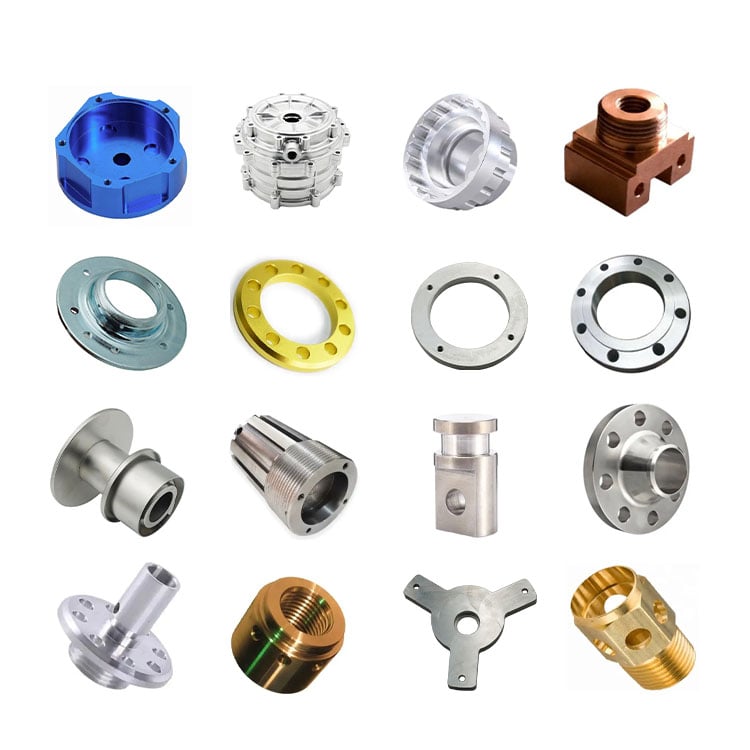
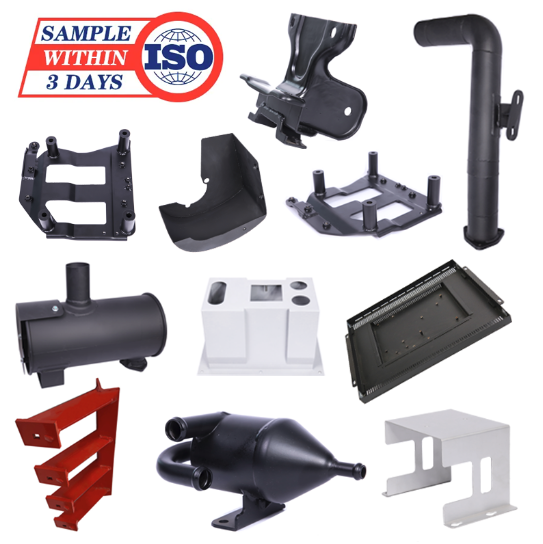
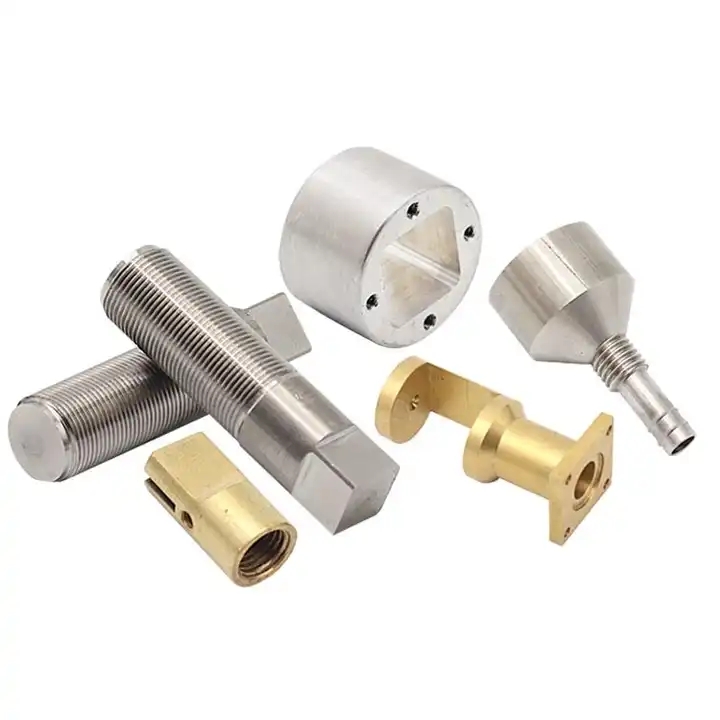
Manufacturing Examples
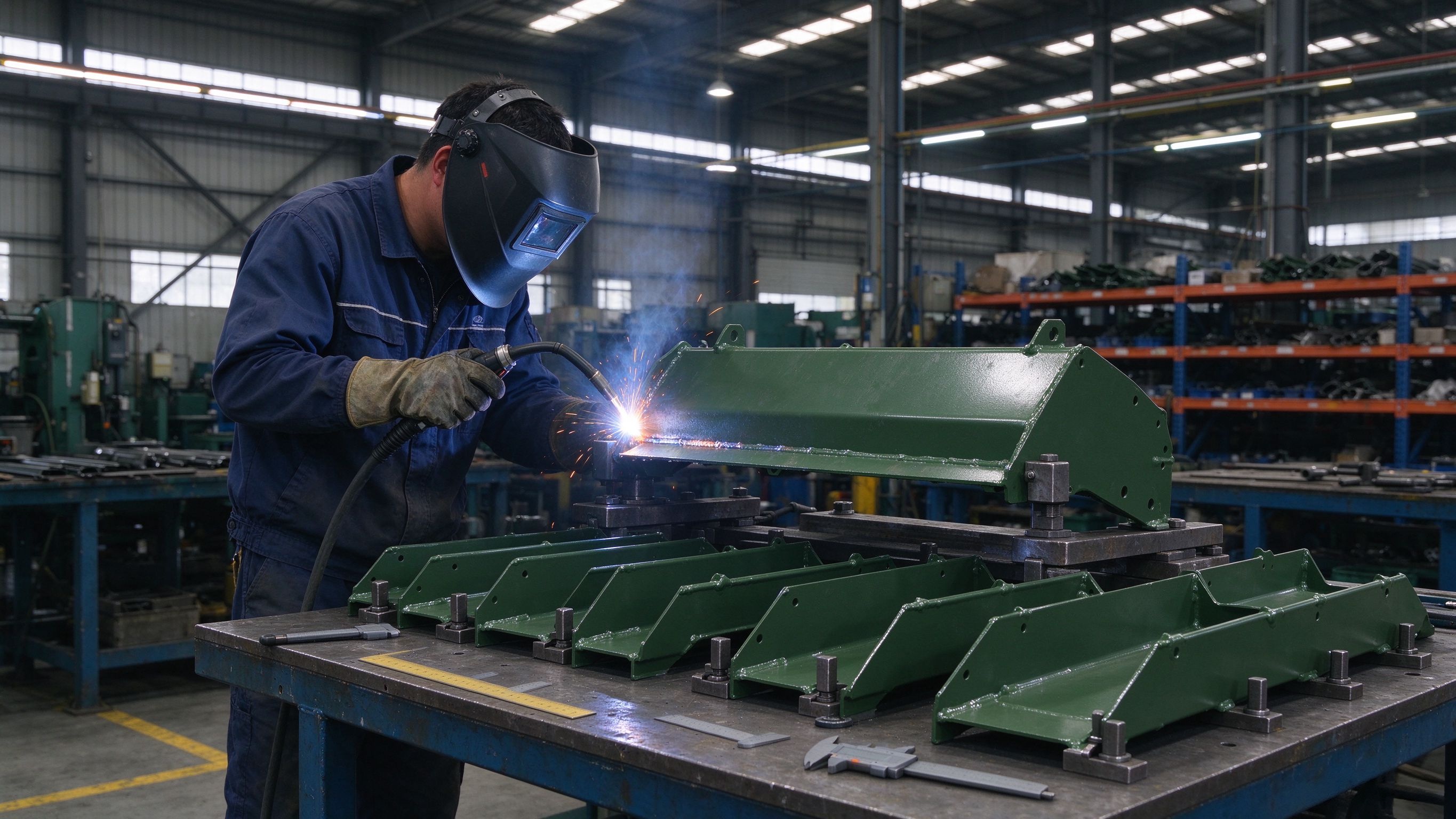
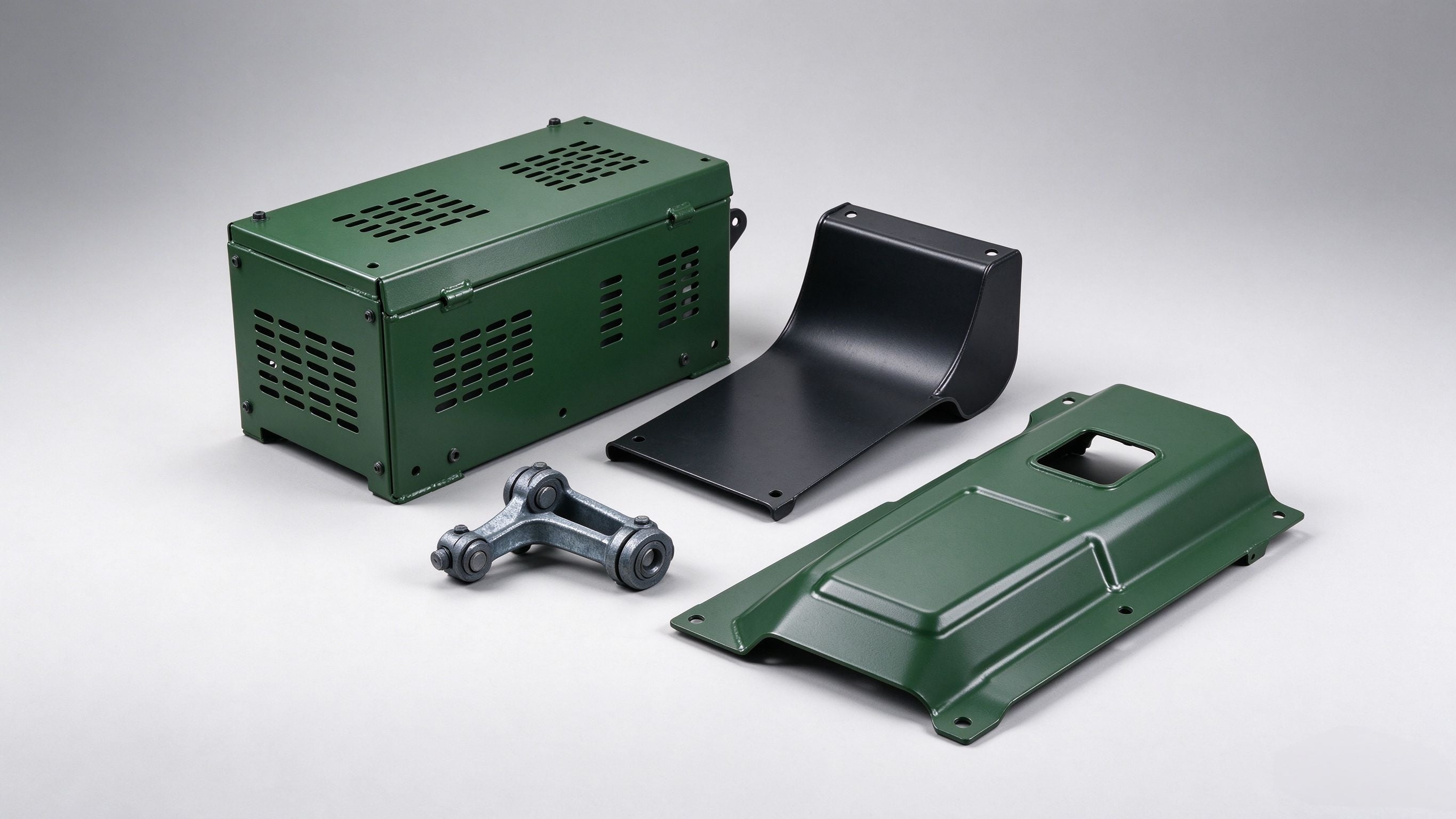
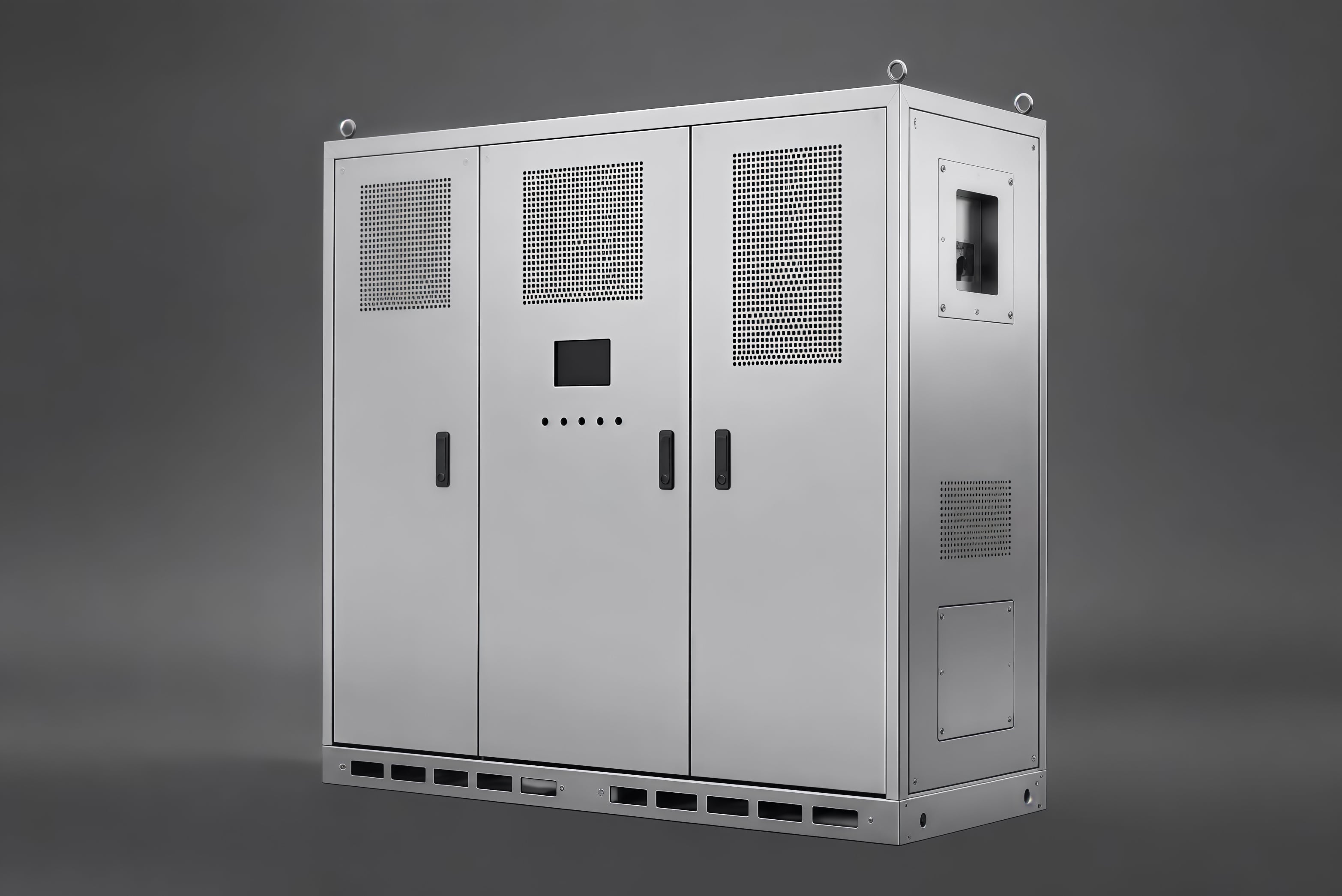
Workflow From RFQ to Shipment
- 1. Review assembly and component drawings, BOM, hardware and critical interfaces
- 2. Confirm the fabrication, machining, joining and insertion sequence
- 3. Build and inspect the first complete assembly
- 4. Release repeat assembly with fit and functional checks
- 5. Pack as finished units or sub-assemblies to the agreed requirement
Typical Parts and Use Cases
What to Include in Your RFQ
- Assembly drawing and component drawings
- Bill of materials with revision per line
- Hardware specification and torque values
- Test method and acceptance criteria
- Packing and protection requirement
- Replacement and rework instructions
Lead time and commercial terms are confirmed only after the bill of materials revision, component availability and test scope are reviewed against the actual drawing set, not from a generic capability statement.
Custom Metal Assembly Services: Design Rules That Affect Cost and Quality
For buyers comparing custom metal assembly services, manufacturability depends on more than the nominal part size. The drawing should make the following decisions visible before quotation:
- The assembly drawing should define datums, interfaces, fastener requirements and acceptance checks.
- BOM revision control is essential when fabricated, machined and purchased items converge.
- Fixture strategy should protect alignment during welding, riveting, hardware insertion or fastening.
- Cosmetic, functional and packaging checks must be separated so the final inspection is unambiguous.
Choose the Manufacturing Route by Quantity and Revision Risk
| Project condition | Route to review | Procurement reason |
|---|---|---|
| Prototype assembly | Build and validate interfaces | Confirms fit before repeat fixtures or packaging are finalized. |
| Welded subassembly | Fixture, weld and inspect | Alignment and distortion control define the route. |
| Mechanical assembly | Hardware insertion, riveting or fastening | BOM and torque or retention requirements must be clear. |
| Finished unit | Assembly, functional checks and protective packing | Release criteria should be agreed in the RFQ. |
Quotation drivers: Component count, sourcing responsibility, fixtures, joining method, inspection points, functional checks, labeling and packaging drive assembly cost.
No fixed unit price, MOQ or lead time is published without reviewing the drawing, quantity and required documentation. This prevents a generic promise from overriding the actual manufacturing route.
Related Processes and Engineering Resources
- Metal welding service
- Sheet metal fabrication
- Rapid prototyping
- Equipment and manufacturing capacity
- Metal fabrication tolerance guide
- Metal materials guide
- Quality assurance process
- Manufacturing performance cases
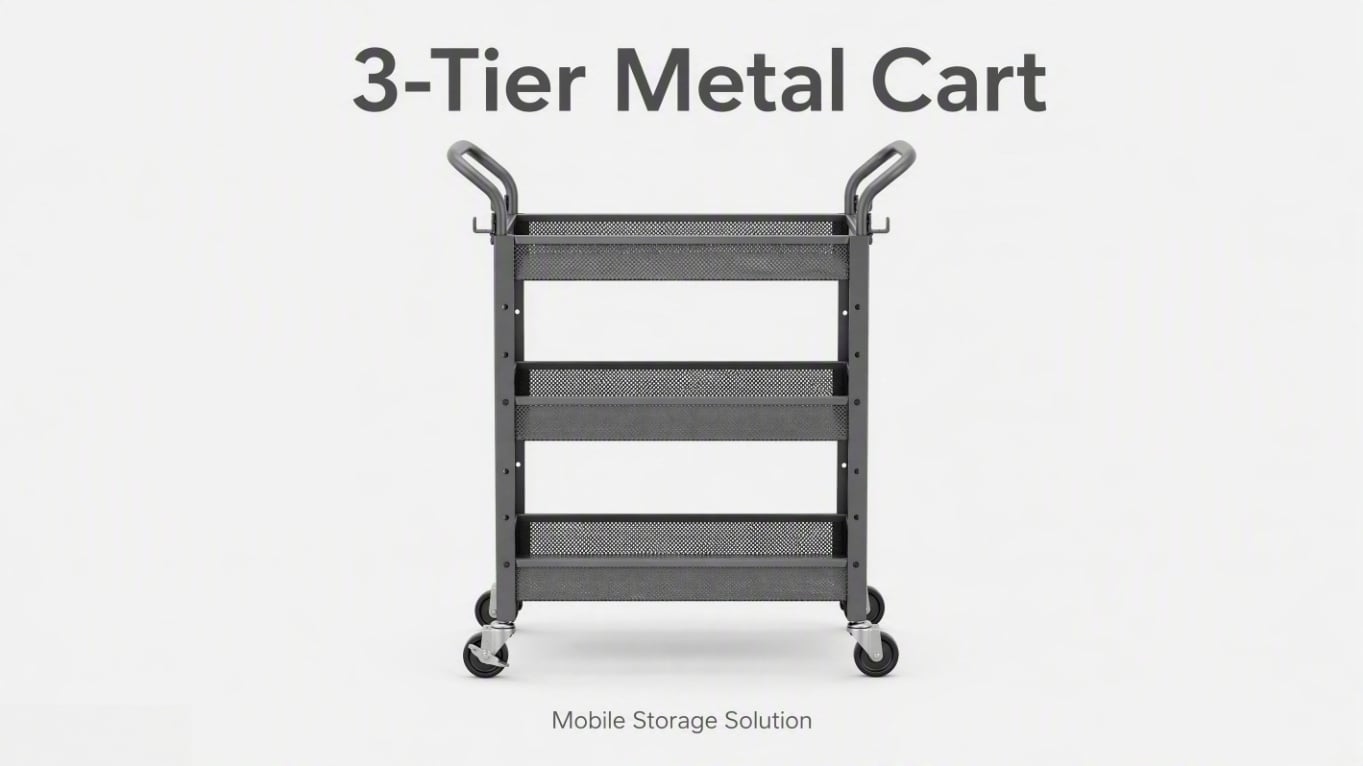
Published Manufacturing Cases
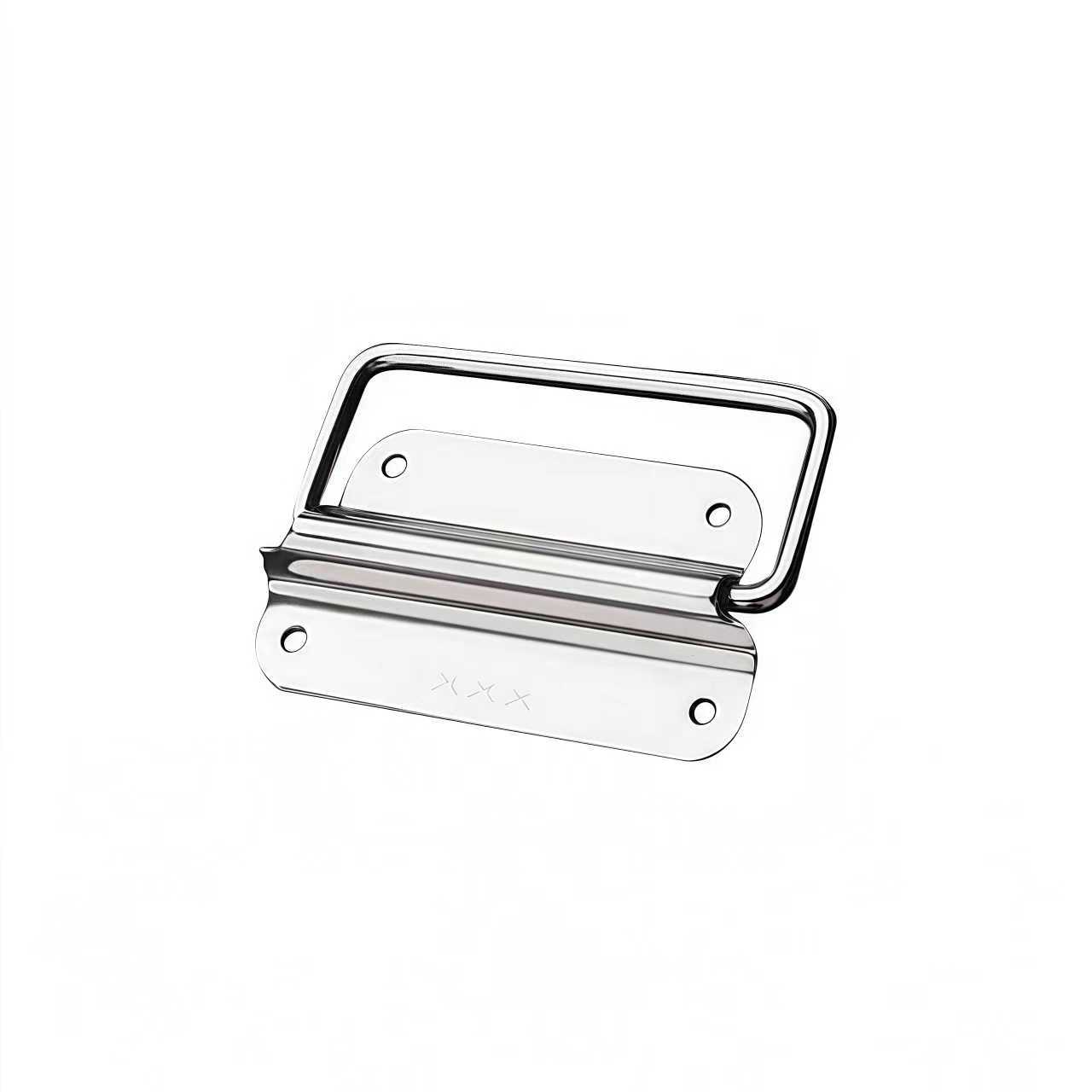
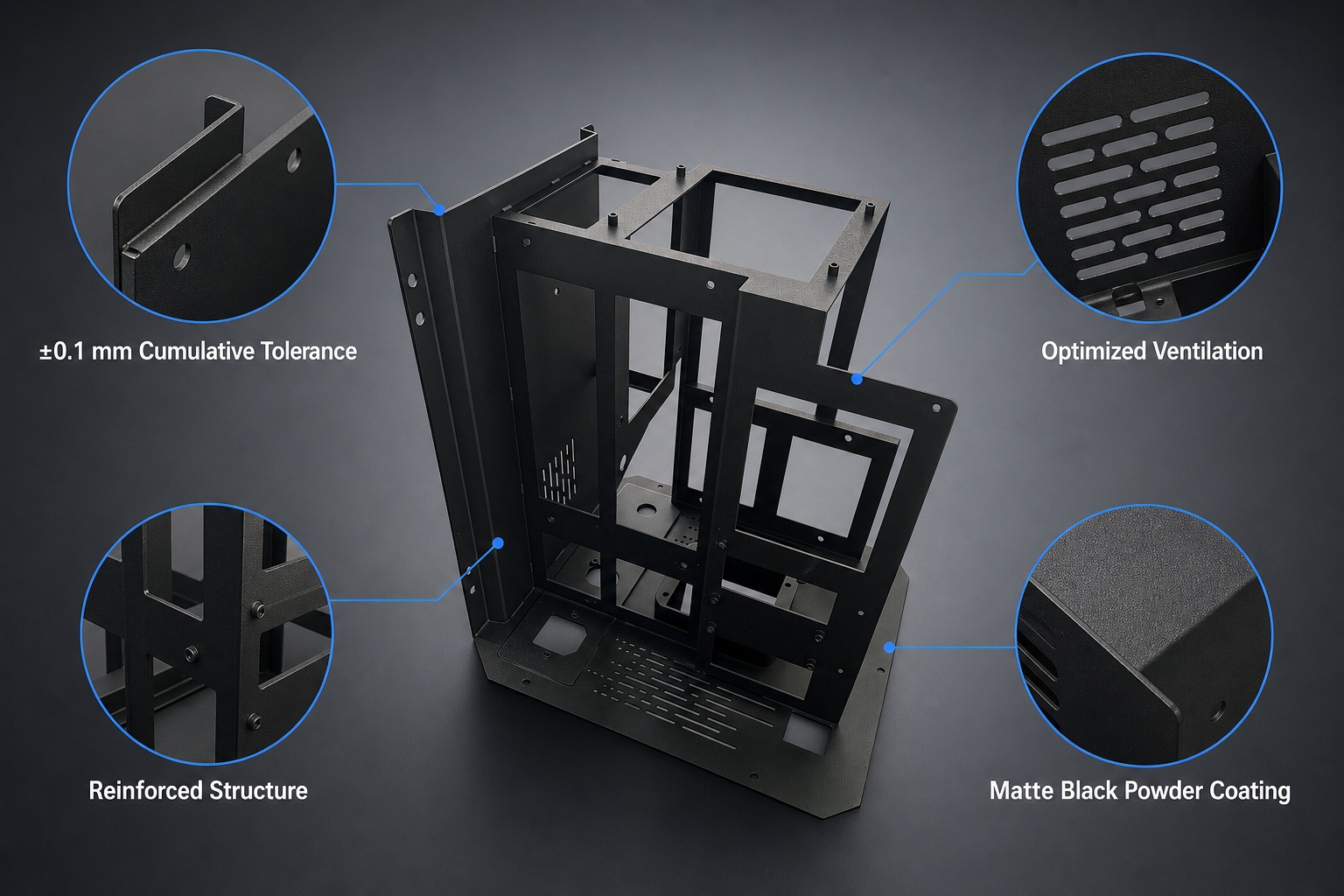
These first-party manufacturing records show the part, process route and engineering concern documented on the full case page. They are provided as process evidence, not as third-party endorsements or customer ratings.
Buyer Verification Checklist
Before you commit to an assembly program, review interfaces, joining routes and final inspection evidence.
- Quality Assurance — See how first-article, in-process and final inspection are planned.
- Manufacturing Case Library — Open the full library of published fabrication examples and process routes.
- Equipment and Capacity — Review laser power, press range, brake length and machining capability.
- Tolerance Guide — Compare stated sheet-metal and machining tolerances by feature type.
- Material Thickness Guide — Review sheet thickness and gauge references used during drawing review.
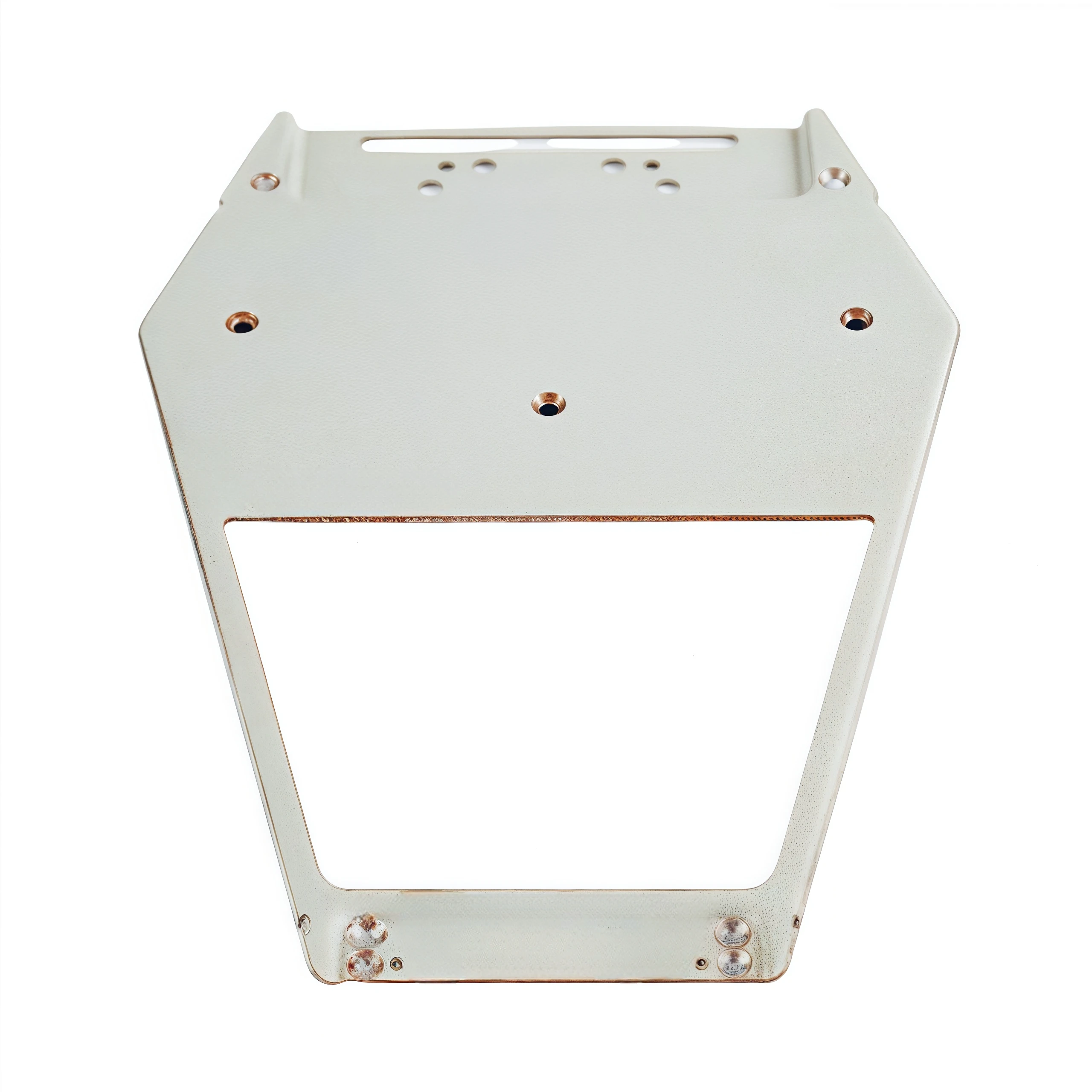
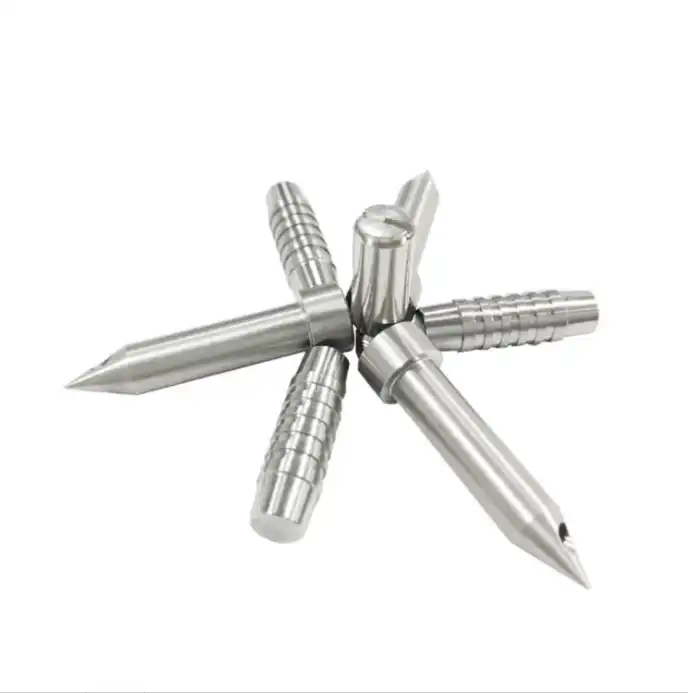
Each link opens first-party documentation you can read before contacting us. This checklist is not a third-party endorsement, customer review or supplier rating.
 Hot News