
 EN
EN
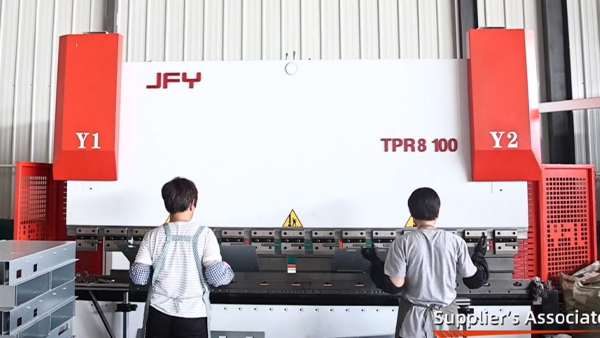
Paggagamit ng Pinakamainam na Paraan ng Pagkukurba para sa Tumpak na Anggulo
Air Bending laban sa Bottom Bending laban sa Coining: Epekto sa Pag-uulit at Kontrol sa Toleransya
Ang paraan kung paano ibinubuhat ang metal ay may malaking epekto sa kung gaano katumpak ang mga baluktot na resulta. Halimbawa, ang air bending. Sa pamamaraang ito, ang punch ay pumipindot lamang sa materyal hanggang sa kalahating daan sa isang V-shaped die. Nagbibigay ito ng kahit na karamihan ng mga resulta sa loob ng plus o minus isang degree, ngunit may malaking bahagi ng springback pagkatapos nito, kaya kailangan ng mga designer na magdagdag ng karagdagang mga factor para sa kompensasyon. Ang bottom bending ay gumagana nang mas mainam kapag mahalaga ang mas tiyak na toleransya. Dito, ang punch ay lubos na pumipilit sa materyal upang pumasok nang buo sa loob ng die kasama ang tugmang mga anggulo sa pagitan ng mga tool, na nagbabawas sa nakakainis na epekto ng springback. Gayunpaman, kapag ang mga proyekto ay nangangailangan talaga ng napakatibay at pare-parehong resulta, ang mga tagagawa ay kumukuha ng tulong sa coining. Ang prosesong ito ay pumipiga sa metal nang ganap na malakas kaya't ito ay tumataas nang maayos, na praktikal na nililinis ang anumang elastic memory sa materyal. Syempre, ang coining ay nangangailangan ng mas matitibay na die at mas mabibigat na makinarya, ngunit ang kahalagahan nito sa pagbibigay ng paulit-ulit na eksaktong mga anggulo sa bawat production run ay ginagawa itong kapaki-pakinabang na invest sa maraming shop na gumagawa ng mga precision component.
Paano Nagkakaiba ang Springback Ayon sa Paraan—at Bakit Nagbibigay ang Coining ng ±0.3° na Pagkakapareho
Kapag ang mga materyales ay bumabalik sa orihinal na anyo pagkatapos mapalutang, tinatawag natin itong springback, at nagbabago ito nang husto depende sa teknik na ginagamit. Sa air bending, karaniwang mayroon nang 5 hanggang 15 porsyento na springback, kaya kailangan ng mga manggagawa na i-bend ang mga bahagi nang kaunti pa. Sa bottom bending, nababawasan ito sa humigit-kumulang 2–8%, samantalang sa coining ay halos nawawala ang springback dahil dito ay patuloy na inaapply ang presyon habang isinasagawa ang pagbuo. Ang industriya ng aerospace ay nakakita ng mga resulta kung saan ang mga anggulo ay nananatiling nasa loob ng kalahating degree ng katumpakan ayon sa kamakailang pag-aaral mula kay Ponemon (2023). Ngunit narito ang hamon sa mga paraan ng coining: kailangan nila ng napakalaking puwersa, kaya hindi praktikal ang paggamit nito sa anumang materyal na may kapal na higit sa 6 mm. Dahil dito, maraming workshop ang nananatiling pabor sa bottom bending para sa mas makapal na mga sheet kapag pinagsama ito sa tamang mga adjustment para sa epekto ng springback. Nagbibigay ito ng mas mainam na balanse sa pagkamit ng tumpak na mga hugis, pagpapahaba ng buhay ng mga tool, at panatilihin ang madali at walang problema ang produksyon nang hindi nasisira ang kagamitan.
Pagdidisenyo para sa Katiyakan: Pagkalkula ng Radius ng Pagkukurba, Anggulo, at Kompensasyon para sa Springback
Mga Pangunahing Ratio sa Disenyo: R/t, Ratio ng Yield-to-Tensile, at Kanilang Epekto sa Pagbabago ng Dimensyon
Kapag gumagamit ng mga bahagi na kinukurba mula sa metal, may dalawang pangunahing ratio na lubos ang kahalagahan. Una ay ang ratio na R/t, na sumusuri sa radius ng pagkukurba kung ihahambing sa kapal ng materyal. Kapag bumaba ito sa ilalim ng 1:1, lumalabas ang panganib ng mga pukyaw. Ngunit kapag tumaas ito sa higit sa 4:1—lalo na sa mga materyal tulad ng tanso—mas kaunti ang springback matapos ang pagbuo. Pangalawa ay ang ratio na Y/T na nagkukumpara sa lakas ng yield sa lakas ng tensile. Sa mga materyal kung saan ang Y/T ay lumalampas sa 0.7—tulad ng matitigas na high-strength steel—karaniwang bumabalik nang mga 15 degree pagkatapos ng pagkukurba. Sa kabilang banda, ang mga low carbon steel na may Y/T na humihigit-kumulang sa 0.5 ay halos hindi gumagalaw. Ang pag-unawa sa mga katangiang ito ng materyal ay tumutulong sa mga inhinyero na matukoy kung gaano kalapit ang maaaring ipush ang mga toleransya nang hindi makakaranas ng problema sa produksyon.
Paggamit ng Empirical na mga Modelong (hal. VDI 3429) upang Hulaan at Kompensahin ang Springback sa mga Bahagi ng Metal na Bending
Ang pamantayan ng VDI 3429 ay nagbibigay sa mga tagagawa ng matibay na pundasyon batay sa mga tunay na prinsipyo ng pisika upang hulaan kung gaano kalaki ang pagbalik ng metal (spring back) pagkatapos ito ay ibaluktot. Sa sentro nito ay isang ekwasyon na kinukwenta ang inaasahang anggulo ng pagbalik (delta theta) sa ganitong paraan: delta theta ay katumbas ng K na pinarami ng R at hinati ng T. Dito, ang K ay kumakatawan sa isang numero na natatangi sa bawat uri ng materyal (halimbawa, ang halagang 0.8 ay lubos na epektibo para sa aluminum), ang R ay tumutukoy sa radius ng baluktot, at ang T ay simpleng kapal ng piraso na ginagamitan. Kapag nakikipag-usap tayo sa mabibigat na toleransya na plus o minus kalahating degree, ang karamihan sa mga inhinyero ay nagpapatuloy at nagpapabaluktot nang lampas sa kanilang mga bahagi sa pagitan ng 10% at 20% kaysa sa ipinahihiwatig ng kalkulasyon. Ang mga kumpanya sa larangan ng aerospace ay nakakita ng napakagandang resulta sa pagsunod sa pamamaraang ito—na nagpapababa ng basurang materyales at ng paulit-ulit na paggawa (rework) ng humigit-kumulang 40%, ayon sa pinakabagong ulat ng ASM noong nakaraang taon. Kasalukuyan, ang maraming modernong computer numerical control (CNC) press brake ay kasama na ang mga pormulang ito sa loob ng kanilang sistema, kaya’t kakayahang awtomatikong i-adjust ang lalim ng punch habang gumagana—na nangangahulugan ng pare-parehong kalidad sa bawat batch nang walang pangangailangan ng tuloy-tuloy na manu-manong pag-aadjust ng mga setting.
Mga Pinakamahusay na Pamamaraan sa Pag-setup ng Makina at Pagpili ng Kagamitan upang Minimizan ang Variasyon
Mga Mahahalagang Punto ng Kalibrasyon: Katiyakan ng Back Gauge, Parallelismo ng Ram, at Compensation sa Crowning
Kapag tinatalakay ang mga bahagi ng metal na binubuhat, may tatlong pangunahing punto ng kalibrasyon na nakaaapekto sa kung gaano katatag ang mga sukat nito matapos ang pagbuo. Ang unang bagay na dapat obserbahan ay ang posisyon ng back gauge — kailangan nitong manatili sa loob ng humigit-kumulang 0.05 mm na pag-uulit (repeatability), dahil kung hindi, ang mga maliit na error na ito ay magkakasundan at magkakadagdag sa bawat lokasyon ng pagkukurba. Susunod, tingnan natin ang parallelism ng ram. Kung ito ay lumampas sa 0.1 mm bawat metro, ang puwersa ay hindi pantay na ipinamamahagi sa buong workpiece, na nagdudulot ng mga nakakainis na distorsyon sa anggulo na kinaiinisan ng lahat sa mga natatapos na produkto. Pangatlo — ngunit tiyak na hindi pinakababa ang kahalagahan — ay ang tinatawag na crowning compensation. Ibig sabihin nito ay ang pag-aadjust sa sentro ng bed papataas sa isang halaga na nasa pagitan ng 0.05 at 0.2 mm, depende sa kapal ng materyal at haba ng bahagi na pinoproseso. Nakakatulong ito na kanselahin ang anumang deflection kapag inilalapat ang presyon sa panahon ng mga operasyon ng pagkukurba. Ang karamihan sa mga workshop ay natuklasan na ang paggamit ng laser interferometry sa halip na ang dating paraan ng manu-manong pagsusuri ay nababawasan ang pagkakaiba-iba sa anggulo ng humigit-kumulang tatlong-kapat, na nagbibigay-daan sa mas mahusay na kontrol sa kalidad sa kabuuan.
| Factor ng Kalibrasyon | Threshold ng Tolerance | Kagamitang Pampagsukat | Epekto sa Katumpakan |
|---|---|---|---|
| Back gauge | ±0.05mm | Digital na caliper | Lokasyon ng pagkubko ±0.3° |
| Kapantay-pantay ng Pabilog | ±0.1 mm/m | Dial indicators | Pagkakaiba ng anggulo ±0.5° |
| CROWNING | 0.05-0.2mm | Pag-aayos ng Laser | Kaplatan ±0.1 mm/m² |
Mga Gabay sa Pagpili ng Kagamitan: Sukat ng Radius ng Punch, Lapad ng Die, at mga Anggulong Nakabase sa Materyal ng Die
Ang hugis ng mga kagamitan ay may pangunahing papel sa pagkontrol sa springback at sa pagtiyak na mananatiling buo ang mga bahagi habang ginagawa. Para sa mga radius ng punch, ang karamihan sa mga workshop ay gumagamit ng mga sukat na nasa paligid ng 150 hanggang 200 porsyento ng kapal ng materyal kapag gumagawa ng mataas na yield na bakal, na nakakatulong upang maiwasan ang mga nakakainis na bitak sa ibabaw. Sa mga bukas na bahagi ng die, ang mga tagagawa ay karaniwang nagtatakda ng mga ito sa pagitan ng anim hanggang labindalawang beses ang kapal ng sheet metal. Ang mas makitid na mga die ay nagbibigay ng mas mahusay na katiyakan sa anggulo, ngunit may gastos ito dahil kailangan ng higit na puwersa at mas mabilis na sumisira. Mahalaga rin ang mga anggulo sa mga die. Ang aluminum ay mas madaling umuwi (spring back) kaysa sa bakal, kaya ang maraming operasyon ay gumagamit ng mga die na may 88-degree na anggulo para sa aluminum, samantalang nananatili sa karaniwang 90-degree na die para sa mga bahaging yari sa bakal. Ang pagkakaroon ng tamang hardness sa pagitan ng mga kagamitan at ng mga piraso na ginagawa ay isa pang mahalagang kadahilanan. Ang tamang pagkakapareho ay nababawasan ang mga problema sa pagsusuot na nagdudulot ng pagbabago sa dimensyon, na panatilihin ang katiyakan sa anggulo sa loob ng humigit-kumulang sa plus o minus 0.1 degree kahit pagkatapos ng libu-libong siklo ng produksyon.
Pagpapatunay ng Katiyakan: Mga Estratehiya sa Metrolohiya para sa mga Bahagi na Nabubuwal na Metal
Ang pagkuha ng tumpak na mga sukat ay napakahalaga kapag sinusuri ang mga anggulo sa mga bahagi ng metal na may baluktot. Ang mga CMM machine ay kayang suriin ang mga kumplikadong hugis hanggang sa humigit-kumulang 0.001 mm, na talagang kahanga-hanga. Ang mga laser scanner ay lubos ding epektibo para sa mabilis na pagtukoy sa mga isyu sa ibabaw, kaya ito ay perpekto kapag kailangang suriin ang maraming bahagi nang sabay-sabay. Para sa mas mabilis na pagsusuri, ang mga optical comparator at digital protractor ay nagbibigay ng maaasahang resulta na may konsistensya na humigit-kumulang 0.1 degree, na nagpapahintulot sa mga operator na baguhin agad ang mga setting habang ang mga materyales ay bumabalik sa orihinal na posisyon matapos ang pagbabaluktot. Maraming workshop ngayon ang gumagamit ng mga SPC chart upang subaybayan ang mga bagay tulad ng presyon ng ram at posisyon ng back gauge. Ito ay tumutulong na maagapan ang mga problema nang maaga bago pa man ito maging malalang isyu. Ang pinakamabisang pamamaraan ay ang pagsasama-sama ng iba’t ibang paraan ng pagsusuri. Ang pagsasama ng mga teknik na may kontak at walang kontak ay nagpapanatili ng lahat sa loob ng mga istandard nang paulit-ulit, lalo na sa mga industriya kung saan ang kahit na maliit na baluktot ay napakahalaga—tulad ng mga komponente para sa aerospace o medikal na device kung saan ang katiyakan ay hindi lamang isang kagustuhan kundi lubos na mahalaga.
Madalas Itanong
Ano ang pangunahing pagkakaiba sa pagitan ng air bending at bottom bending?
Ginagamit ng air bending ang isang punch upang ipush ang materyal nang bahagya papasok sa isang V-shaped die, na nagreresulta sa ilang springback, samantalang pinipilit ng bottom bending ang materyal na pumasok nang buo sa die, kaya nababawasan ang springback para sa mas tiyak na toleransya.
Bakit pinipili ang coining para sa mataas na kahilingan sa katiyakan?
Ang coining ay pumipindot sa materyal nang napakalakas hanggang sa mawala ang elastic memory nito, na nagbibigay ng napakauulit-ulit na mga anggulo—na kritikal para sa mga bahagi na nangangailangan ng katiyakan—bagaman kailangan nito ng mas mabigat na makina.
Paano naaapektuhan ng R/t at Y/T ratios ang metal bending?
Iniuugnay ng R/t ratio ang bend radius sa kapal ng materyal, na nakakaimpluwensya sa mga panganib ng pagbitak o springback. Inihahambing naman ng Y/T ratio ang yield sa tensile strength, na nakakaapekto sa kung gaano kalakas ang pag-spark pabalik ng isang materyal pagkatapos ng pagbaluktot.
Anong papel ang ginagampanan ng pamantayan na VDI 3429 sa metal bending?
Ang pamantayan na VDI 3429 ay nagbibigay ng mga gabay batay sa pisika upang mahulaan at kompensahin ang springback, na nagpapahintulot sa mas tiyak na kontrol sa toleransya sa paggawa ng mga bahaging metal.
Bakit mahalaga ang pagkakalibrado ng makina sa pagbawas ng pagkakaiba-iba ng sukat pagkatapos ng pagkukurba?
Ang pagkakalibrado ng makina ay nagsisiguro na ang katiyakan ng back gauge, parallelismo ng ram, at kompensasyon sa crowning ay nasa loob ng tiyak na mga hangganan, kaya nababawasan ang nakapipiling mga kamalian at napapanatili ang katatagan ng sukat.
Talaan ng mga Nilalaman
- Paggagamit ng Pinakamainam na Paraan ng Pagkukurba para sa Tumpak na Anggulo
- Pagdidisenyo para sa Katiyakan: Pagkalkula ng Radius ng Pagkukurba, Anggulo, at Kompensasyon para sa Springback
- Mga Pinakamahusay na Pamamaraan sa Pag-setup ng Makina at Pagpili ng Kagamitan upang Minimizan ang Variasyon
- Pagpapatunay ng Katiyakan: Mga Estratehiya sa Metrolohiya para sa mga Bahagi na Nabubuwal na Metal
-
Madalas Itanong
- Ano ang pangunahing pagkakaiba sa pagitan ng air bending at bottom bending?
- Bakit pinipili ang coining para sa mataas na kahilingan sa katiyakan?
- Paano naaapektuhan ng R/t at Y/T ratios ang metal bending?
- Anong papel ang ginagampanan ng pamantayan na VDI 3429 sa metal bending?
- Bakit mahalaga ang pagkakalibrado ng makina sa pagbawas ng pagkakaiba-iba ng sukat pagkatapos ng pagkukurba?