
 EN
EN
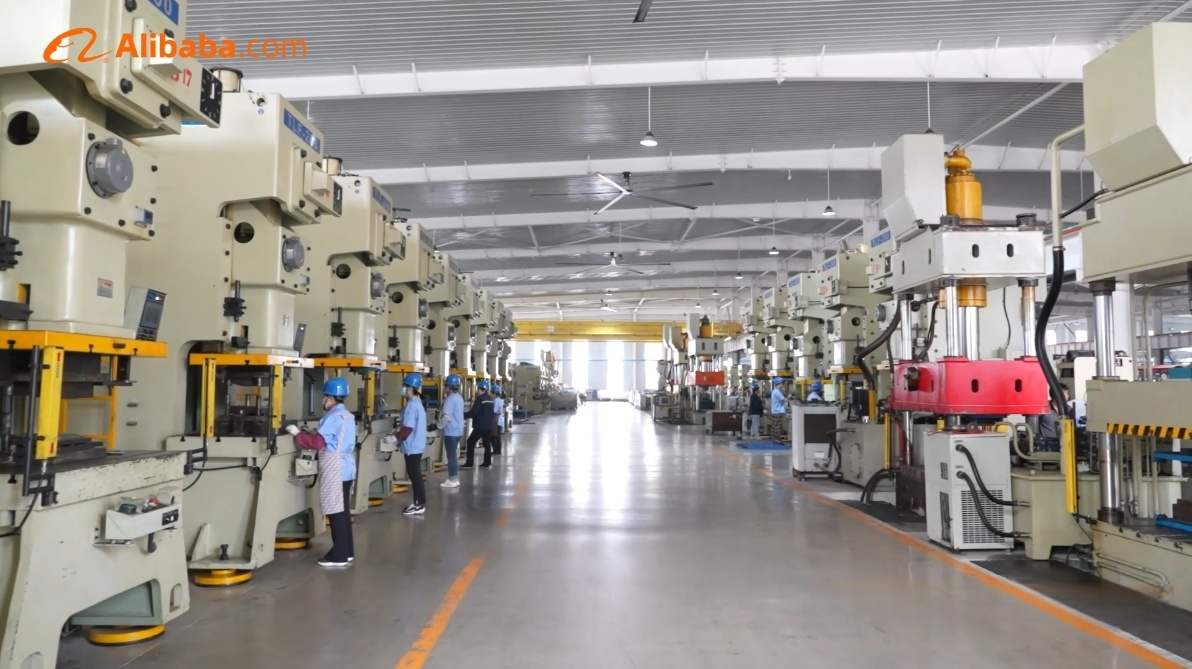
Precision Cutting: The Foundation of Sheet Metal Fabrication
Laser Cutting for Complex Geometries and Tight Tolerances
Laser cutting offers amazing precision when working with complex sheet metal parts, typically hitting tolerances around plus or minus 0.005 inches (about 0.127 mm). The process works by directing a concentrated beam of light at the material, basically melting away what needs to go. Since there's no physical contact involved, tools don't wear out as quickly and the edges come out much cleaner with minimal burrs. What really sets this technology apart is how computers guide the entire operation, allowing for shapes and details that just aren't possible with traditional machining techniques. That's why so many industries rely on laser cutting for things like aircraft bracketry, housing units for medical equipment, and all sorts of precision components where accuracy matters most. The system handles everything from super thin aluminum sheets down to fairly thick stainless steel plates, keeping those heat affected areas pretty small too – usually below 0.004 inches wide. This helps maintain the structural properties of metals in parts that need to handle real stress and strain.
Shearing and Waterjet Cutting for Cost-Effective, Material-Agnostic Separation
For those dealing with large volumes of straight line cuts, shearing still stands out as the budget friendly option. It can handle these jobs about ten times quicker than lasers when working with basic shapes. Waterjet cutting comes in handy alongside shearing, using cold water mixed with abrasives under massive pressure around 60 thousand pounds per square inch. This approach allows cutting through both conductive and non conductive materials without causing any distortion. The real strength of waterjets shows up when working with tough materials such as titanium or layered composites where heat might cause problems during cutting. They work great on thick pieces measuring up to twelve inches too. What makes waterjets special compared to other heat based techniques is how they maintain the original characteristics of the material right through the cut area. Plus, operators get pretty accurate results within plus or minus 0.003 inches. Shops report being able to switch between different materials throughout the day without needing new tools for each job type.
Forming Processes That Shape Functional Sheet Metal Parts
Press Brake Bending and CNC Folding for Repeatable 3D Geometry
Sheet metal gets shaped along straight lines when press brakes work their magic with specially designed dies and punches. Today's computer controlled systems can hit angles within about half a degree accuracy, which means parts consistently maintain their intended curves and allow for intricate shapes like equipment housings or structural frames. Smart software helps fight against springback, that annoying phenomenon where metal wants to bounce back toward flat after being bent, so every piece comes out the same size batch after batch. For smaller production jobs, most setups finish individual bends in less than ten seconds each. And those automatic tool switches handle everything from thin aluminum sheets at just 0.5 millimeters thick all the way up to 6mm stainless steel plates. The result? Shops save around 40 percent on extra finishing work that would otherwise be needed if done manually, meeting those tough ASME requirements manufacturers always have to follow for serious industrial applications.
Stamping and Punching for High-Volume Feature Integration
The stamping process relies on hardened dies within mechanical presses to create features at impressive speeds, often surpassing 1,200 cycles per hour. Progressive dies are particularly useful as they can handle several operations at once piercing, blanking, coining all in one go. This makes them great for things like louvered vents or mounting brackets where positioning needs to be spot on, usually within plus or minus 0.05 mm tolerance. Turret punching provides similar benefits when working on prototypes because it allows quick tool changes depending on what's needed next. These techniques preserve the quality of materials by carefully managing how much force gets applied relative to thickness around 15% to 20% generally which stops tiny cracks from forming that could ruin delicate parts such as those used in electrical enclosures or car body panels. When producing large quantities over 10,000 pieces, stamping cuts down individual part costs significantly about 60% actually thanks to the cost advantages that come with making lots of items at once in sheet metal production.
Joining Techniques Ensuring Structural Integrity in Sheet Metal Fabrication
Welding (MIG/TIG), Riveting, and Mechanical Fastening–Balancing Strength, Speed, and Finish
The choice of joining technique makes all the difference when it comes to how strong something is, how long it lasts, and what it looks like overall. For thick metal parts where speed matters, MIG welding gets the job done fast with solid bonds, although welders usually end up spending extra time cleaning up those pesky little bits of molten metal that stick around after. TIG welding creates really neat looking seams that are great for stuff people can see, especially on thin materials or intricate designs. The downside? It takes longer to do compared to other methods. When working with different kinds of metals that don't play well together under heat, rivets hold things together nicely without warping anything. Bolts and similar fasteners have their place too, particularly when maintenance needs to happen down the road or when building things in pieces that might need replacement later on.
| Method | Strength Advantage | Speed Consideration | Finish Impact |
|---|---|---|---|
| MIG Welding | Deep penetration bonds | High deposition rates | Requires surface refinement |
| TIG Welding | Precise, clean seams | Lower throughput | Minimal cleanup needed |
| Riveting | Shear/tension resistance | Moderate installation | Flush profiles achievable |
| Mechanical Fasteners | Adjustable clamping force | Rapid assembly | Visible hardware |
Fabricators apply welding for permanent structural elements, rivets for tamper-resistant aerospace assemblies, and fasteners for field-serviceable industrial enclosures–strategically balancing strength, production timelines, and finish requirements to define professional fabrication quality.
Finishing Operations That Define Professional Sheet Metal Fabrication Quality
Deburring, Surface Treatments, and Powder Coating for Durability and Aesthetics
The finishing process turns those raw fabricated parts into something actually usable, safe, and built to last longer than just a few cycles. Deburring work gets rid of those nasty sharp edges and tiny surface flaws that come from all that cutting and forming operations leave behind. This isn't just about safety for workers handling these parts either it also takes care of those stress points where failures tend to start happening way too early. When we talk about surface treatments like abrasive belt finishing, what we're really doing is getting the base material ready for whatever coatings will go on top. The right level of surface roughness makes a huge difference how well those coatings stick and how resistant they become to corrosion over time. Most shops know this matters because nobody wants their finished product peeling apart after only a couple months in service.
When applied using electrostatic methods, powder coating creates smooth, consistent layers without gaps that beat regular liquid paints when it comes to resisting impacts, holding up against UV rays, and standing up to environmental stressors. Fabricators who work professionally pick their finishing options depending on what they need for performance (like salt spray protection for stuff going into marine settings), how they want things to look (glossiness matters here, as does getting colors right), and whether budget considerations favor bulk production runs versus special custom finishes. Research on corrosion shows something pretty significant actually - good quality finishes can make products last at least half again as long as normal. And those top tier coatings just keep looking good even after lots of industrial usage cycles without showing signs of wear.
FAQ
What is Laser Cutting?
Laser cutting is a precise cutting method that uses a concentrated beam of light to melt and remove material, ideal for intricate shapes and tight tolerances.
Why are waterjets preferred for tough materials?
Waterjets do not cause heat-related distortion and preserve the material's characteristics, making them suitable for cutting tough materials like titanium.
What is the difference between MIG and TIG welding?
MIG welding is fast and suitable for thick metals, while TIG welding provides precise and clean seams, ideal for visible and thin materials.
How does powder coating benefit sheet metal?
Powder coating provides durable, aesthetically pleasing finishes that resist environmental stressors better than liquid paints.