
 EN
EN
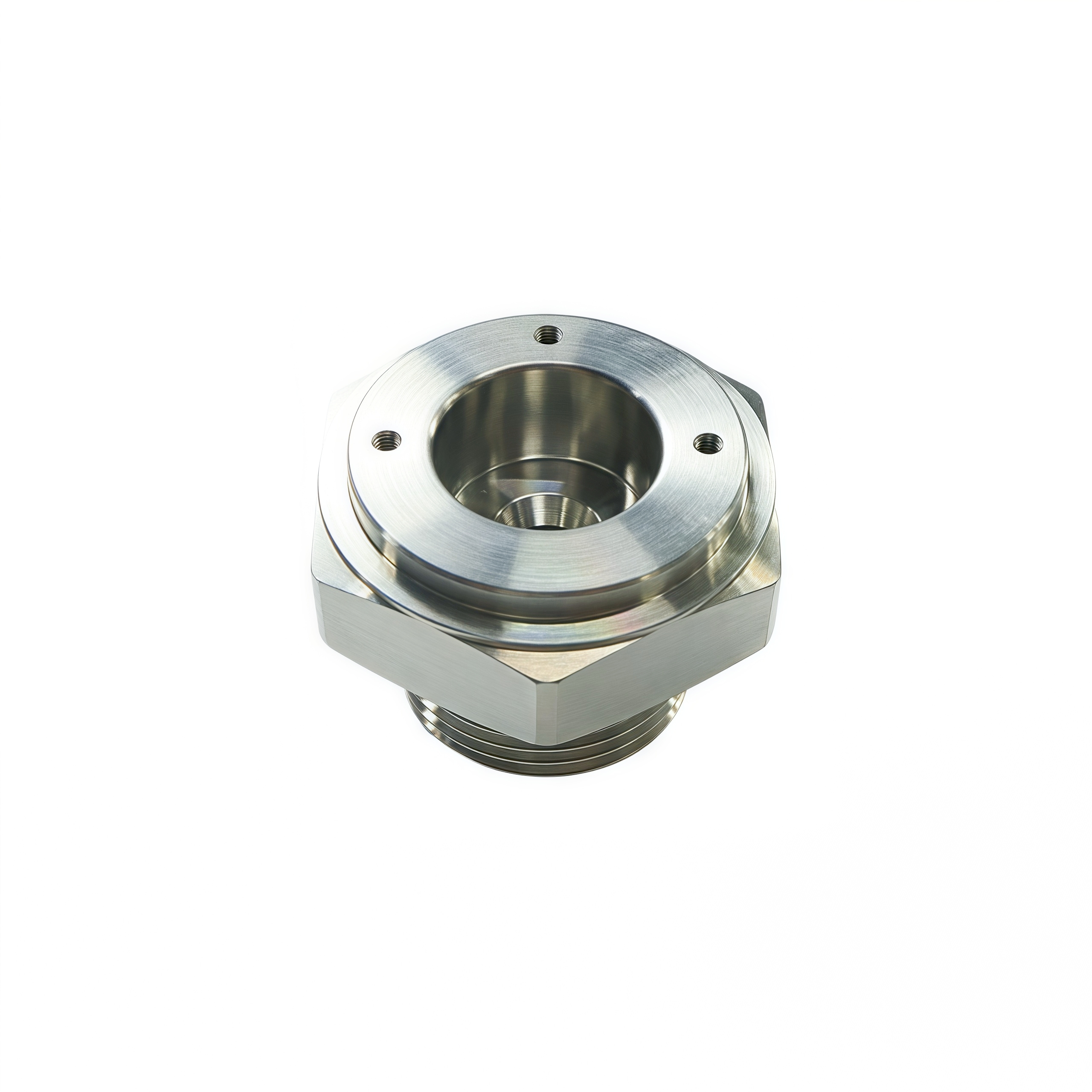
Understanding Precision in CNC Machining Parts: Tolerances, GD&T, and Metrology Fundamentals
CNC Machining Tolerance Standards: ISO 2768 (F, M, C, V) and Real-World Application
When it comes to precision parts made through CNC machining, standard dimensional controls matter a lot. Most shops follow ISO 2768 standards which define four main tolerance levels: Fine (F), Medium (M), Coarse (C), and Very Coarse (V). The Fine tolerance level allows just ±0.05 mm for parts smaller than 30 mm and is typically used in demanding situations such as aerospace actuator components. Medium class at ±0.1 mm strikes a good balance between performance and cost for most industrial applications. Getting this right makes all the difference. Specifying Fine class when Medium would work actually raises manufacturing costs around 40% extra. On the flip side, going too cheap can lead to problems down the road with assemblies failing or not working properly. Take hydraulic valve bodies as an example they generally stick with Medium class tolerances because that's enough to maintain pressure integrity without spending money on unnecessary precision. Choosing the right tolerance starts by looking at what each part needs to do, how temperature changes might affect dimensions, and how important those connections between parts really are.
GD&T for Functional Performance: How Geometric Controls Ensure Part Interchangeability and Assembly
Geometric Dimensioning and Tolerancing, or GD&T for short, goes further than just setting size limits. It actually tells engineers exactly how a part needs to work, using those 14 standard symbols everyone in manufacturing knows about. Traditional plus/minus tolerancing doesn't cut it anymore because GD&T looks at geometry in relation to real world reference points called functional datums. This approach gives much better control over where things sit, how they angle, and what shape they take overall. Take a bolt hole pattern with a position tolerance of 0.01 mm. That tiny spec keeps everything lined up properly even if parts come from different CNC shops around the country. Especially important stuff happens here too like in car transmissions where keeping gears aligned matters a lot for smooth operation. When pump housings have good flatness control, no more gasket leaks plague maintenance teams. And electric motor builders rely on proper perpendicularity so bearings stay seated correctly without wearing out prematurely. Focusing on how parts perform instead of just their measurements cuts down scrap waste somewhere between 15% and 25%. Plus it works with normal manufacturing variations rather than fighting against them all the time.
| GD&T Control | Function | Assembly Impact |
|---|---|---|
| Position | Hole pattern accuracy | Enables multi-supplier part interchangeability |
| Flatness | Surface uniformity | Eliminates gasket leaks in pump housings |
| Perpendicularity | 90° alignment | Ensures bearing seat integrity in motors |
Critical Industry Requirements for High-Precision CNC Machining Parts
Aerospace, Medical, and Defense: Sub-0.0005â³ Tolerances, Material Integrity, and Regulatory Compliance
The aerospace, medical, and defense industries demand levels of precision way beyond what most commercial operations need to worry about. Take turbine blades and engine mounts for example they need tolerances as tight as 0.0005 inches or roughly 0.013 millimeters to function properly at speeds around 15,000 RPM and temps over 2000 degrees Fahrenheit. Even the tiniest deviation here can lead to complete system failure. When it comes to orthopedic implants, manufacturers shoot for no more than 0.05 mm variation in dimensions because that's critical for how well the implant integrates with bone tissue. The FDA has strict rules about verifying both the design and manufacturing processes for these devices. Defense contractors focus heavily on structural strength when components face unpredictable stresses. They frequently specify tough alloys such as titanium-6Al-4V or Inconel 718 for their parts. Meeting regulations isn't optional in these fields. Aerospace follows AS9100 standards, medical devices must comply with ISO 13485, and defense products fall under ITAR controls for exports. All these standards require detailed tracking of materials from start to finish, including first article inspections, PPAP paperwork, and Nadcap approved tests like metallurgy checks and non-destructive evaluations to ensure everything meets specs batch after batch.
Validating Precision: Quality Assurance Systems and Measurement Traceability for CNC Machining Parts
Certifications (AS9100, ISO 9001) and Process Controls (FAI, SPC, PPAP)
ISO 9001 and AS9100 aren't just pieces of paper hanging on the wall somewhere. These certifications actually represent real world discipline in how quality gets managed day to day. The standards require companies to document their procedures properly, make sure employees know what they're doing, set up systems for fixing problems when they happen, and keep looking for ways to get better over time. There are three key process controls that really stand out when it comes to getting precise results. First Article Inspection checks whether those first parts coming off the line match all the engineering specs before going into mass production. Then there's Statistical Process Control which keeps an eye on things like tool wear, how hot the spindles get running, and changes in feed rates so issues can be caught early. And finally, the Production Part Approval Process makes sure everything works reliably when scaling up to large volume orders. Shops that put these controls in place tend to see around 32% fewer defects overall. What's more impressive is maintaining dimensions within plus or minus 0.0005 inches throughout whole batches of parts, something that matters a lot when components need to fit together perfectly in complicated assemblies.
Inspection Rigor: CMM, Optical Profilometry, and Calibration-Traceable Metrology
Checking the accuracy of CNC machined parts really depends on having good metrology equipment that works well and can be checked properly. CMM machines do 3D checks at the micron level for complicated shapes, looking at things like where parts actually are positioned, their overall shape, and how symmetrical they are. Optical profilometers measure how smooth surfaces are down to about 0.1 microinch Ra, which matters a lot for parts that need to seal properly or have special textures for medical implants. All these measuring tools need regular calibration according to NIST standards, usually every three months using certified reference gauges. The paper trail showing this calibration connects back to national standards, something that's important for meeting FDA requirements in medical devices and FAA specs for aircraft parts. These detailed records also help find hidden problems in airplane casting materials and make sure implants work as expected inside the body. Shops that have everything connected in their measurement systems tend to get around 99.8% good parts on the first try, even when working with tough materials such as hardened stainless steel or carbon fiber composites.
Selecting Reliable Suppliers of Precision CNC Machining Parts
When looking for a good CNC machining partner, don't focus solely on pricing or how fast they can deliver. Instead, check if they have proper certifications first. Look for things like AS9100 for aerospace work, ISO 13485 for medical applications, or ISO 9001 for general industrial manufacturing. These aren't just paper certificates they hang on the wall either. They actually show that the shop follows documented procedures and gets regular audits. Next, see what kind of materials they handle regularly. Can they work with tough stuff like titanium, Inconel, or PEEK? Do they have experience with complex multi-axis machining? Especially important when dealing with parts that need tight tolerances specified through GD&T standards such as true position measurements or composite profiles. Good shops will incorporate statistical process control (SPC) right into their daily operations, not just submit it once in a while during inspections. Their metrology labs should be equipped with NIST traceable coordinate measuring machines and optical comparators, and they should keep calibration records handy for anyone who asks to see them. Don't forget to look at other factors too: How scalable is their operation? What's their track record for meeting deadlines? Do they respond quickly when designs change? A solid supplier will have formal processes in place for handling defects and figuring out why problems happen in the first place. At the end of the day, the best working relationships come from mutual understanding of engineering requirements. It's not enough to get parts delivered on time. The components need to meet specifications consistently, with full documentation available throughout the entire manufacturing process.
FAQ Section
What are the main tolerance levels defined by ISO 2768?
ISO 2768 standards define four main tolerance levels: Fine (F), Medium (M), Coarse (C), and Very Coarse (V).
Why is GD&T preferred over traditional plus/minus tolerancing?
GD&T provides better control over geometry with respect to real-world reference points, known as functional datums, enabling improved part interchangeability and assembly.
Which industries require high-precision CNC machining parts?
The aerospace, medical, and defense industries demand high-precision parts with very tight tolerances and regulatory compliance.
What certifications should potential CNC machining suppliers have?
Potential suppliers should have certifications like AS9100 for aerospace work, ISO 13485 for medical applications, or ISO 9001 for general industrial manufacturing.
Table of Contents
- Understanding Precision in CNC Machining Parts: Tolerances, GD&T, and Metrology Fundamentals
- Critical Industry Requirements for High-Precision CNC Machining Parts
- Validating Precision: Quality Assurance Systems and Measurement Traceability for CNC Machining Parts
- Selecting Reliable Suppliers of Precision CNC Machining Parts