
 EN
EN
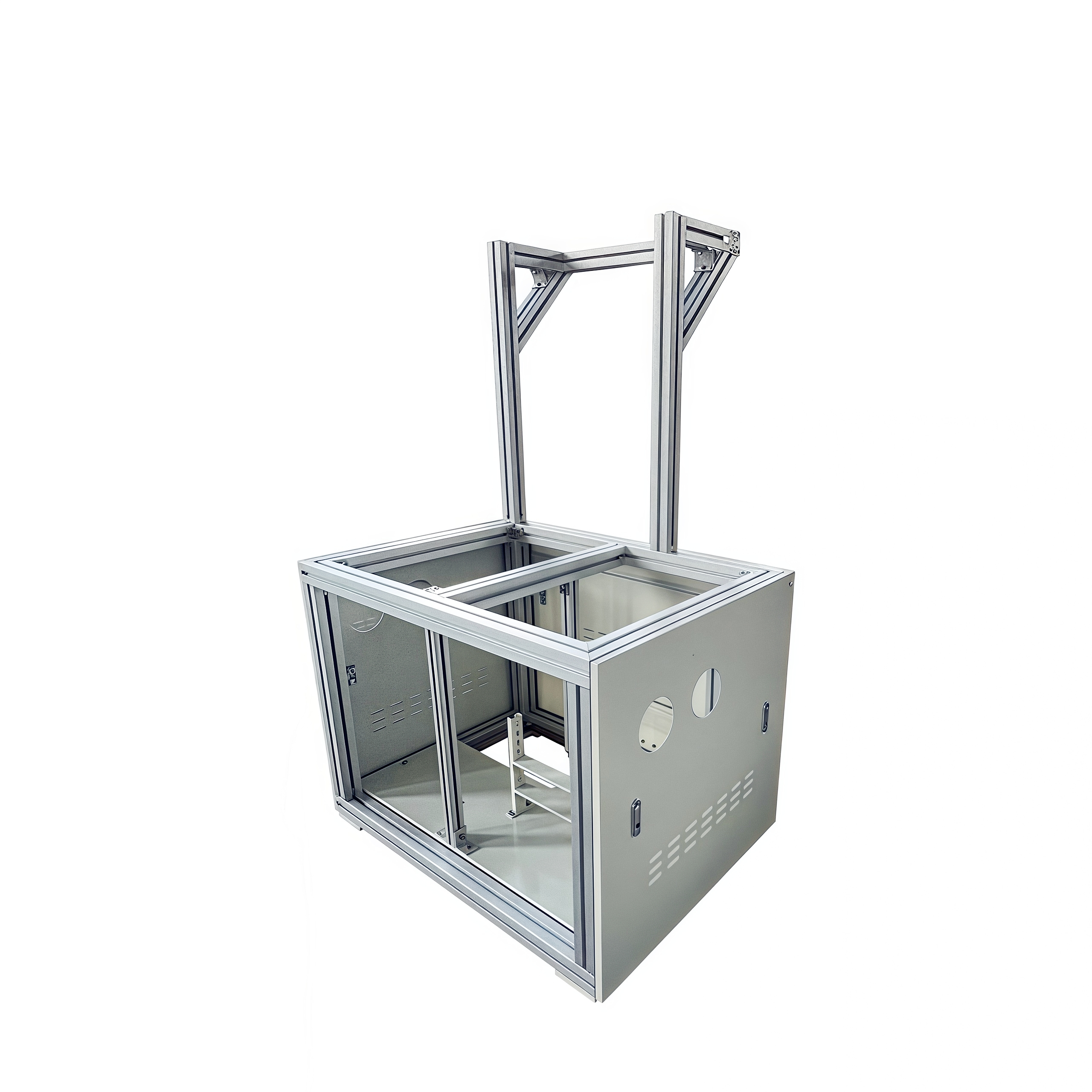
Understanding Bulk Customization in Sheet Metal Fabrication
Defining Bulk Customization: Beyond One-Offs and Mass Production
Bulk customization fills the space somewhere between making just one prototype and going all out with full scale production in sheet metal work. It lets manufacturers create custom parts in quantities ranging from around 500 to 50 thousand units. Traditional one-off pieces require lots of setup time and adjustments each time, whereas standard mass production needs expensive molds that can't be changed once made. Bulk customization keeps things flexible enough to tweak designs but still efficient enough for repeated manufacturing runs. The aerospace sector and medical device makers especially depend on this technique for specialized parts like mounting brackets, protective enclosures, and structural frames where small variations matter a lot for performance. With modern digital systems integrated into the workflow, factories can make quick adjustments between batches, something that becomes really important when engineers need to make last minute changes or customers want modifications after seeing early samples. Companies using this approach typically see their costs drop anywhere from 30% to nearly 60% per item compared to regular prototyping methods. Plus they save themselves from spending tens of thousands on those big initial tooling costs that come with traditional mass production setups.
Why Tolerance Control, Reusable Tooling, and Material Traceability Are Non-Negotiable
Three interdependent pillars ensure reliability and compliance in bulk customization:
- Tolerance control (±0.005" precision) guarantees interchangeability across large batches, preventing assembly failures.
- Reusable tooling, such as modular dies and quick-change CNC fixtures, reduces changeover time by up to 70% versus custom-built tooling.
- Material traceability, anchored by mill test reports and AS9100/ISO 9001-compliant documentation, ensures full lot-level accountability.
| Factor | Impact on Bulk Customization | Risk of Neglect |
|---|---|---|
| Tolerance Control | Ensures interchangeability across 10k+ units | Assembly errors (+15% rework costs) |
| Reusable Tooling | Reduces per-unit cost by 40% | Prototype-level pricing at scale |
| Material Traceability | Prevents batch contamination recalls | Compliance violations & legal exposure |
Neglecting any of these increases lead times by 23% and lowers yield rates by 12% (Ponemon 2023). In medical and defense applications—where component failure can incur losses exceeding $740k per incident—this triad isn’t optional; it’s foundational.
Top Sheet Metal Fabrication Processes for Scalable Custom Runs
Laser Cutting + CNC Bending: Precision Flexibility for Medium-Bulk Custom Orders (500–10,000 units)
When it comes to making things in moderate quantities with custom touches, combining laser cutting with CNC bending works really well. Fiber lasers can hit around 0.005 inch precision on complex shapes without needing special tools, and CNC press brakes let operators tweak angles and sequences quickly through computer programs. Together these technologies allow manufacturers to make last minute changes even when producing between 500 to 10 thousand units at a time. This setup is especially handy for stainless steel or aluminum cases that often need redesigns during development. The software that arranges parts on sheets automatically saves money too, getting over 90% material usage which cuts down waste significantly for those medium sized production runs.
Progressive Die Stamping: High-Speed Consistency for Large-Bulk Customization (10,000+ units)
When production runs go beyond 10k units, progressive die stamping really shines when it comes to speed and keeping things consistent throughout the run. The special tools can do all sorts of work at once – think piercing holes, bending shapes, even coin impressions – everything happens in one quick press movement that can hit over 800 cycles each minute. After setting everything up, the price per piece plummets pretty dramatically. We're talking under half a buck for parts made from high carbon steel, stuff like those car bracket pieces or electrical contact components. What's impressive is how stable the dimensions stay too. The machines maintain around 0.002 inch accuracy across millions of stamped parts, and there are automatic checks happening every 500 units to catch any issues early on. Sure, getting the tooling ready takes time – somewhere between 8 to 12 weeks typically – but once running, this method gives manufacturers the best long term pricing for their standard products needing mass customization.
Selecting a Sheet Metal Fabrication Partner for Bulk Custom Projects
Key Evaluation Criteria: Certifications, Digital Workflow Integration, and Prototype-to-Production Handoff
When looking for manufacturing partners, check if they have ISO 9001 or AS9100 certifications first. These aren't just fancy stickers on the wall but actual proof that their quality control processes have been thoroughly checked and meet strict standards. For big volume orders where consistency matters, this kind of certification becomes really important. The best manufacturers also need solid digital workflows throughout the whole process. Cloud based tracking systems help everyone stay on the same page while moving from design to production. Getting CAD files directly into machine controls cuts down on mistakes that happen when people manually enter data. Look closely at how companies handle moving from prototypes to full scale production too. Top shops run virtual tests of tool paths and bending sequences long before cutting any real materials. According to Precision Manufacturing Report 2024, this approach can cut waste by anywhere between 18% and 25%. And don't forget about how quickly they respond to last minute changes in engineering specs. In today's fast paced manufacturing world, being able to adjust production lines quickly isn't just nice to have it's absolutely necessary for successful bulk operations.
Red Flags to Avoid: Overpromised Lead Times, Limited Material/Finish Options, or No DFM Feedback Loop
Watch out for vendors that promise delivery times way below what's normal for the industry these days - typically anything under 30% is a red flag. Their facilities might be stretched thin or cutting corners on quality control. Take a close look at their materials selection too. If they can't offer at least five different certified metals or three standard finish options, designers will run into problems later on when forced to substitute materials at extra cost. The biggest issue though? Working with shops that don't have proper Design for Manufacturability feedback built into their process. According to Fabrication Benchmark data from last year, around half of all major project delays happen because manufacturers fail to catch production issues early enough in development. Don't work with anyone who skips providing mill certifications or sends quotes that lack specific line items either. Clear documentation makes a world of difference in keeping projects within budget. And while we're talking about it, pay attention to how quickly they respond during initial discussions. Slow replies usually mean bigger headaches down the road when trying to coordinate between teams.
FAQ
What is bulk customization in sheet metal fabrication?
Bulk customization involves producing custom sheet metal parts in quantities ranging from 500 to 50,000 units. It offers flexibility for design changes while maintaining efficiency, bridging the gap between prototyping and mass production.
Why is tolerance control important in bulk customization?
Tolerance control ensures interchangeability across large batches of sheet metal parts, preventing assembly failures and reducing rework costs.
What are the top sheet metal fabrication processes for bulk customization?
Laser cutting combined with CNC bending is ideal for medium-bulk orders (500-10,000 units), while progressive die stamping offers high-speed consistency for large-bulk customization (10,000+ units).
How can I select the right sheet metal fabrication partner?
Look for partners with ISO 9001 or AS9100 certifications, digital workflow integration, and a smooth prototype-to-production handoff process.