EN

Validate fit, function and manufacturability before tooling
Rapid Prototyping Service
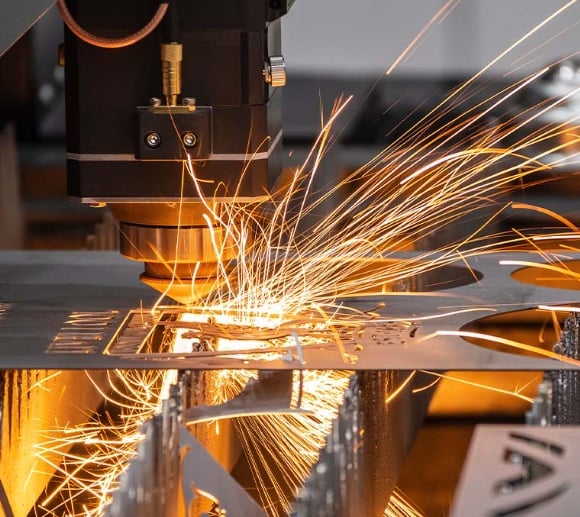
Use laser cutting, forming, CNC machining, welding and assembly to test a design before committing to production tooling.
Send Your Drawing for Review View Equipment & CapacityA prototype exists to answer one question: does the design work? Producing it without committing to tooling is what makes that affordable, because a design change then costs a new program rather than a new die.
How we prototype
- Laser cutting and forming, which carry no die cost
- CNC machining for features that forming cannot hold
- Welded and assembled prototypes built as the production unit will be
- Processes matched to what the prototype needs to prove
Technical specification
| Item | Capability |
|---|---|
| Tooling cost | None for cut and formed prototypes |
| Prototype processes | Laser cutting, forming, CNC machining, welding, assembly |
| Tolerance | Around 0.1mm for cut and formed parts; around 0.01mm for machined features |
| Verification | First article measured against the drawing; final inspection before packing |
| Production transfer | Same processes as the production order, so what is approved is what gets repeated |
What a prototype should establish
- That the part fits its mating components and assembly
- That the material and thickness are right for the application
- That the tolerances marked on the drawing are the ones that matter
- That the process route chosen will transfer to production
DFM review before tooling
Where a design is intended to move into volume production, our engineering team reviews manufacturability before tooling is committed. Tolerance risks and cost drivers are reported in writing, so a change is made at the drawing stage rather than after the die is cut.
Prototype to production
The same processes that make the prototype are the ones that run the production order, so what is approved at prototype stage is what gets repeated. Where a part moves to progressive die stamping for volume, the change is planned and confirmed rather than left to happen.
Quality control
Prototypes run through the same inspection route as production orders: incoming material checked, first article measured against the drawing, final inspection before packing.
Real Manufacturing Examples

How the Project Moves Through Production
- 1. Define what the prototype must prove and identify critical interfaces
- 2. Review the drawing for a tool-free or low-commitment manufacturing route
- 3. Produce and inspect the first physical parts
- 4. Check fit, function and assembly against the intended application
- 5. Record approved changes and plan transfer to repeat production
Applications and Part Types
What to Include in Your RFQ
- 2D drawing and available 3D model
- Material and intended production process
- What the prototype must prove
- Critical interfaces and tolerances
- Expected production quantity after validation
A clear drawing package allows the engineering team to review manufacturability, process choice and inspection needs before production. No tolerance, price or delivery commitment is assumed until the specific drawing is reviewed.
Related Manufacturing Resources
- High-volume production
- Laser cutting service
- CNC machining service
- Equipment and manufacturing capacity
- Metal fabrication tolerance guide
- Metal materials guide
- Quality assurance process
- Manufacturing performance cases
Frequently Asked Questions
Is there a minimum order quantity for prototypes?
No die is required for a cut and formed prototype, so there is no tooling barrier to a small first order. Send your drawing and quantity and we will confirm the route with your quotation.
Will the prototype match the production part?
The same processes used for the prototype run the production order, so what is approved at prototype stage is what gets repeated. Where a part transfers to progressive die stamping for volume, the change is planned and confirmed in advance.
Can you review the design before I commit to tooling?
Yes. Where a design is intended to move into volume production, our engineering team reviews manufacturability before tooling is committed and reports tolerance risks and cost drivers in writing.
Does a prototype need the final production finish?
Only where finish affects fit, corrosion, appearance or the test objective. State what the prototype must prove so the appropriate scope can be reviewed.
Can the prototype be made without production tooling?
Laser cutting, bending and CNC machining can often validate a design without committing to a production die.
How is feedback captured before production?
Manufacturability and tolerance risks identified during review and first article are resolved against the drawing before the production route is confirmed.
Can several prototype versions be compared?
Different revisions can be produced from controlled drawing versions. Each revision should be clearly identified in the RFQ and files.
How does a prototype transfer to high-volume production?
Once the design is approved, the manufacturing route is reviewed for repeat demand. A move to stamping or dedicated tooling is planned and confirmed rather than assumed.
Send Your Drawing for a Manufacturing Review
Send the drawing with material, quantity and what the prototype needs to prove. If a production run is expected to follow, say so at this stage so the process route is chosen with that in mind.
Request a Manufacturing Review


 Hot News