
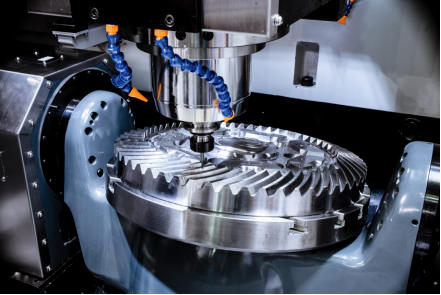
Precision Engineering: How Advanced CNC Machining Techniques Deliver Micro-Accuracy in CNC Machining Parts 5-Axis Simultaneous Machining for Complex Geometries and Reduced Setup ErrorsToday's CNC machining can reach incredible levels of precisi...
VIEW MORE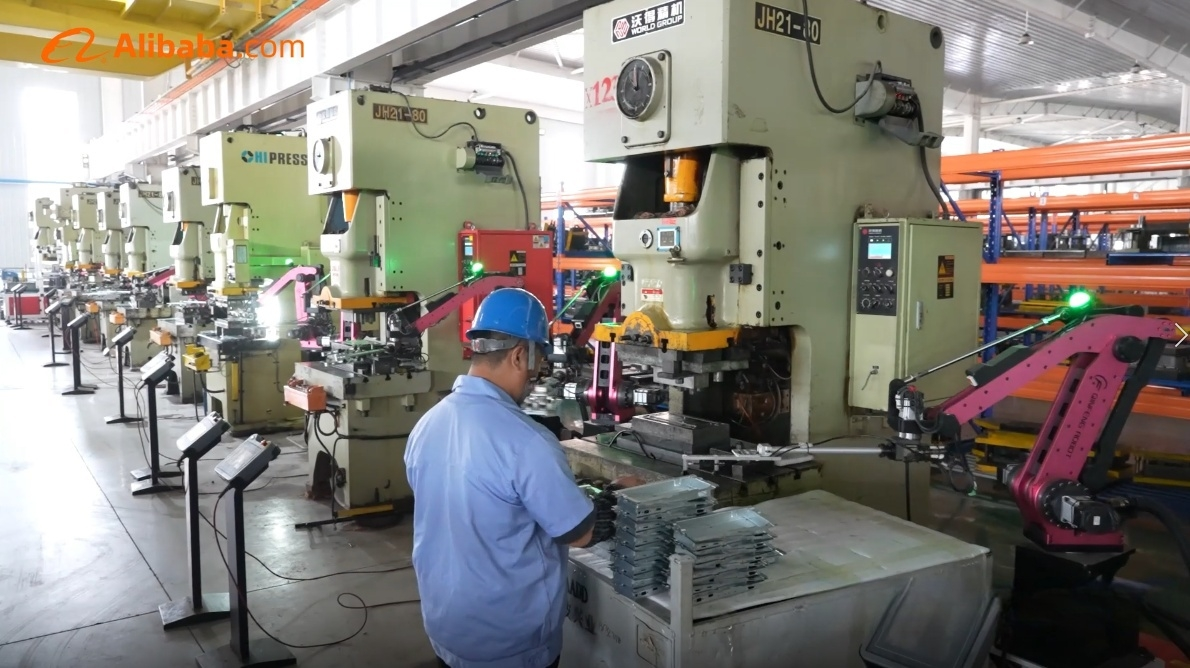
Why Speed and Precision Are Non-Negotiable in Custom Sheet Metal FabricationMarket demand for rapid prototyping and low-volume production Industries these days are really feeling the heat when it comes to speeding up their innovation cycles. Accordin...
VIEW MORE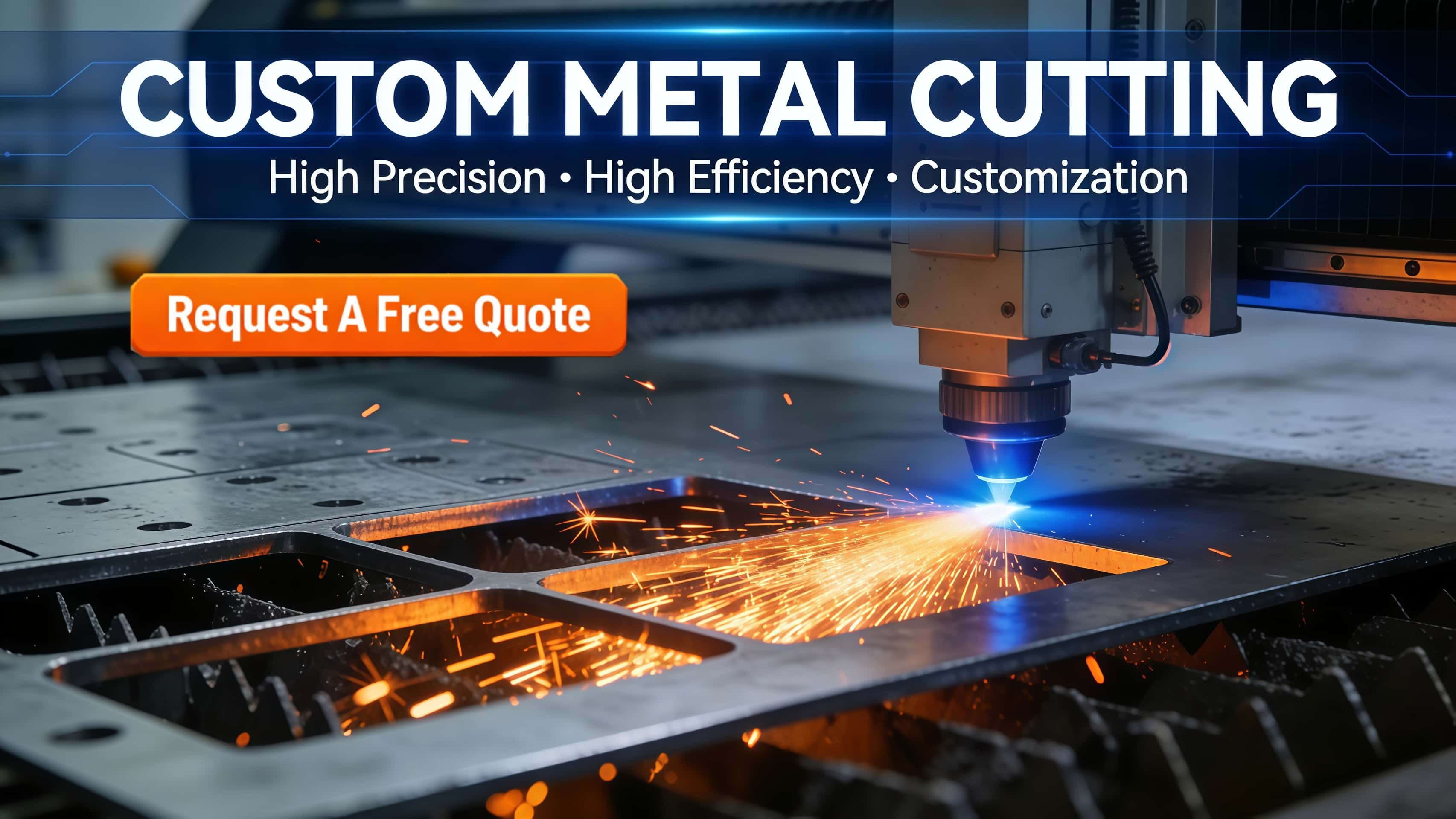
Core Metal Bending Techniques and Their Impact on PrecisionAir Bending, Bottom Bending, and Coining: Tolerance Ranges and Use-Case AlignmentWhen it comes to forming angles, air bending works by pressing metal into a V-shaped die without making full c...
VIEW MORE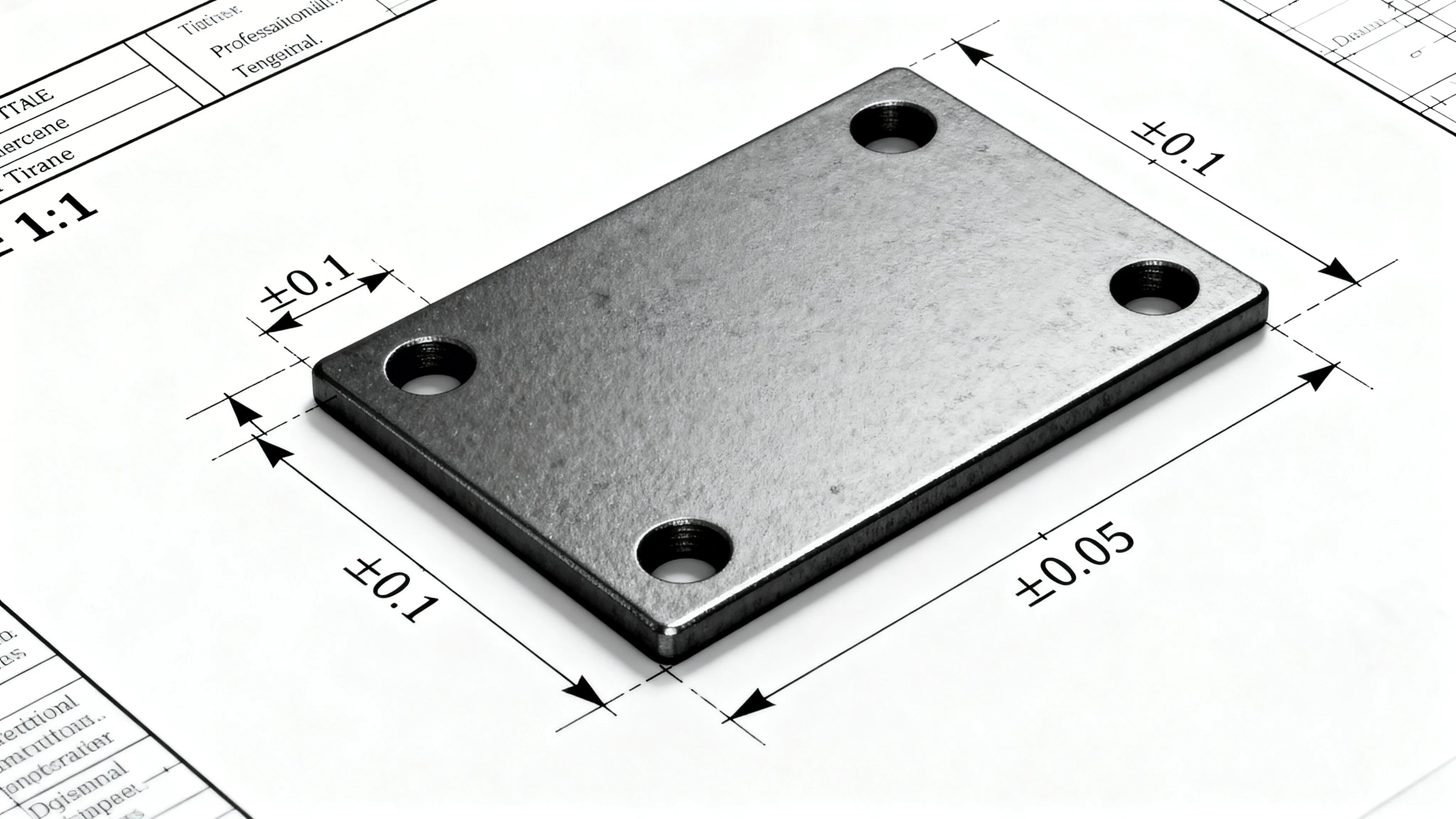
Dear new customers, welcome to Cangzhou Deeplink International Supply Chain Co., Ltd.! With more than 10 years of deep roots in the metal processing industry, we possess a full-industry-chain metal processing capability, providing a wide range of pro...
VIEW MORE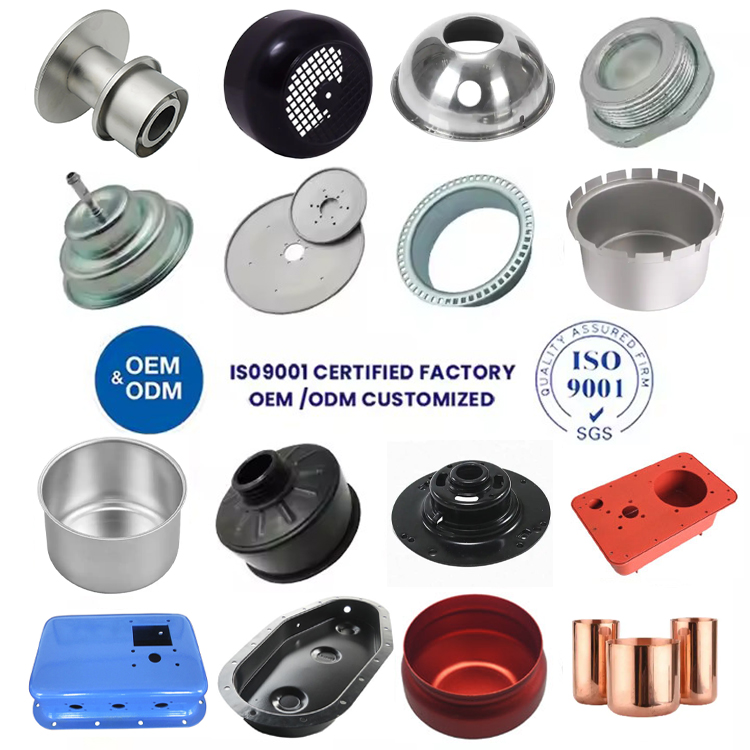
Superior Strength and Durability via Cold Work Hardening How Work Hardening Enhances Structural Integrity in Deep Drawn Parts When metals undergo cold work hardening during deep drawing processes, they experience significant changes at the atomic le...
VIEW MORE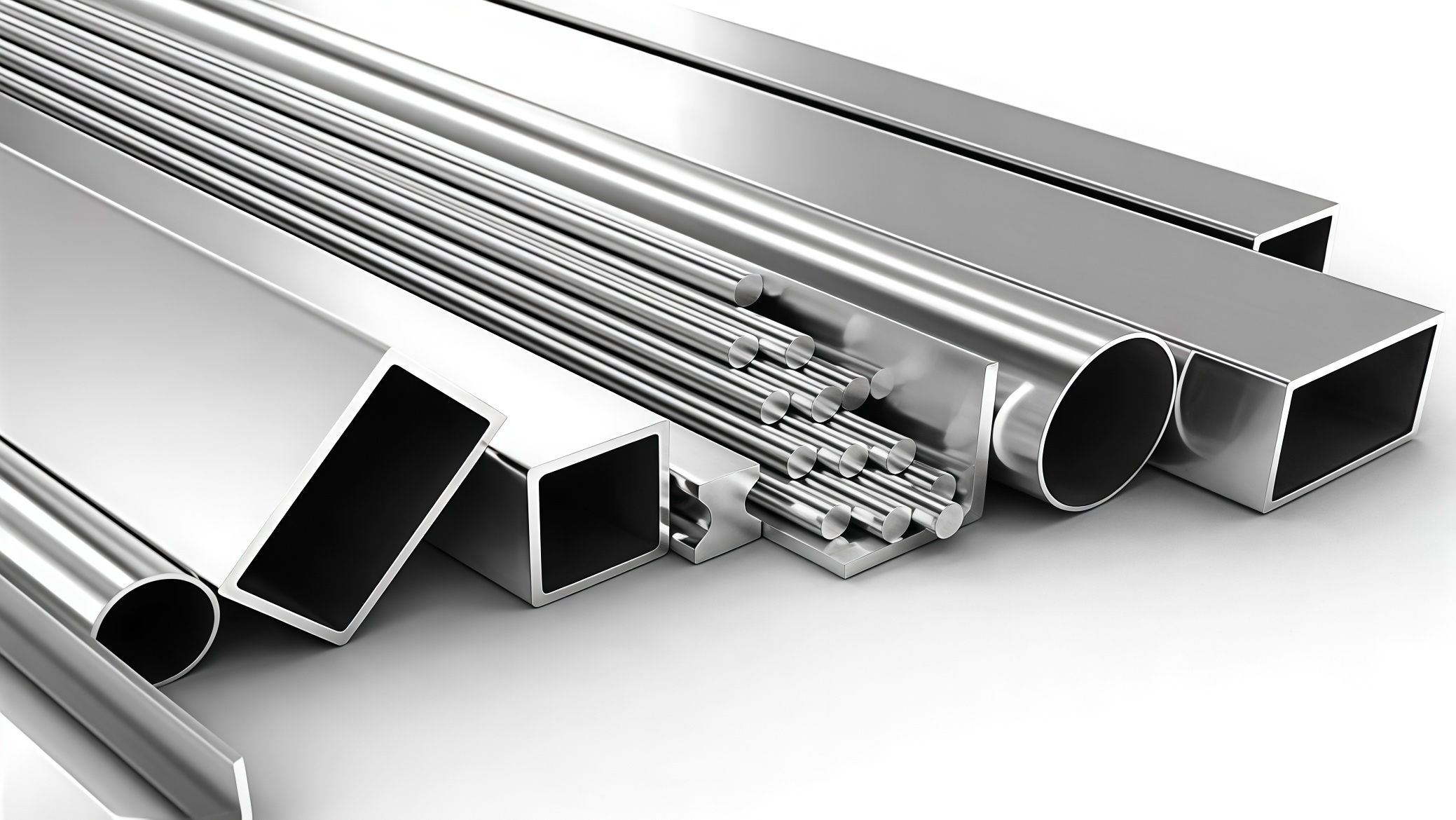
In the field of industrial manufacturing, aluminum alloy and stainless steel have become core materials for aerospace, automotive manufacturing, medical devices, electronic equipment and other industries by virtue of their unique physical and ch...
VIEW MORE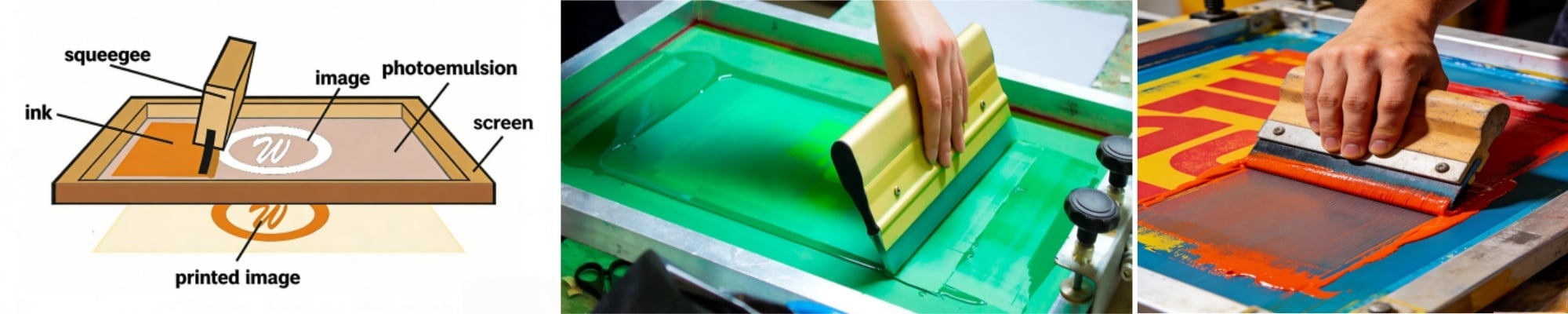
Metal surface treatment is the core link to enhance the performance, durability and added value of metal products. It can not only improve the corrosion resistance, wear resistance and aesthetic properties of metal workpieces, but also tailor functio...
VIEW MORE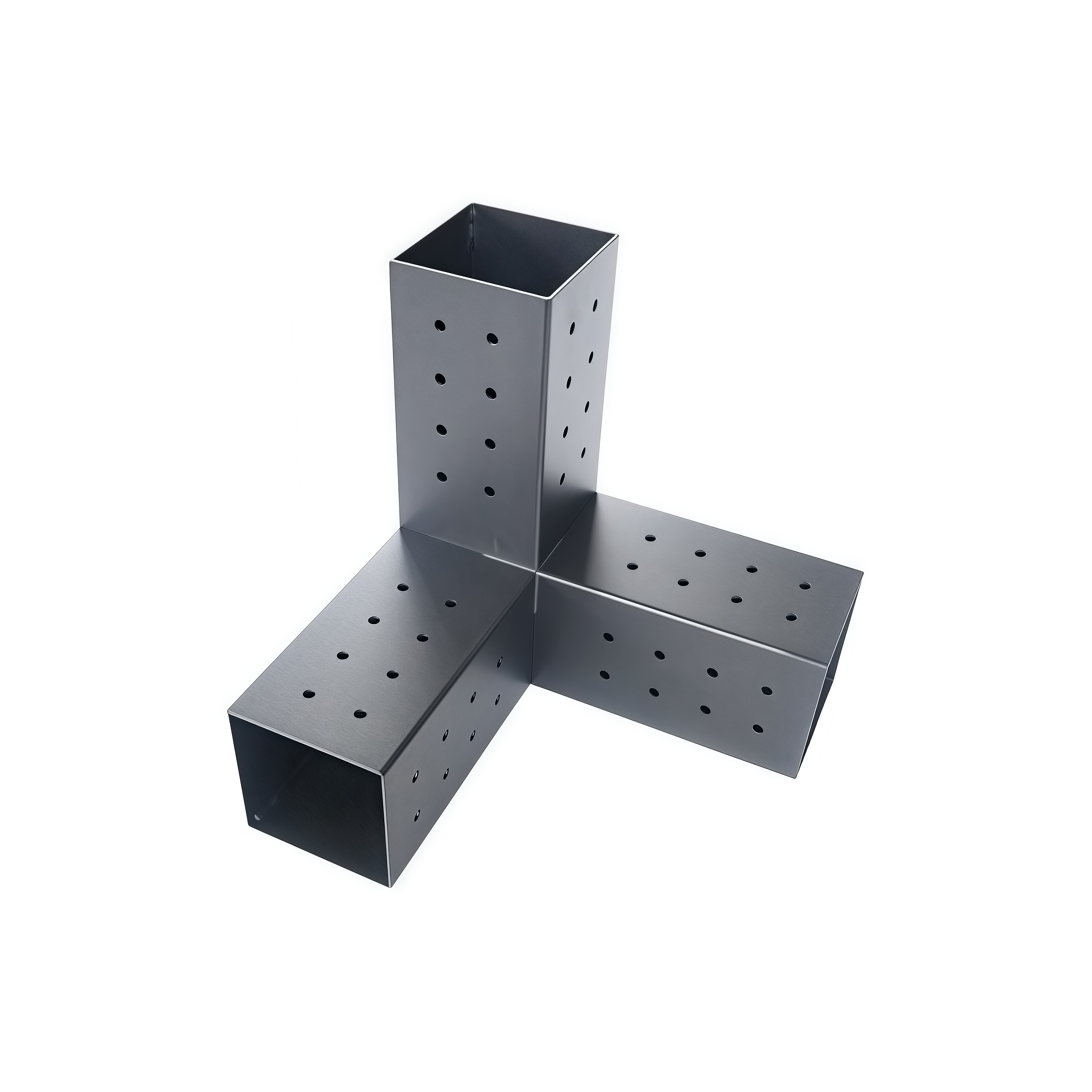
Core Metal Bracket Types for Industrial Equipment Mounting Gusset, L-, U-, and Z-Brackets: Structural Function and Load Path Optimization Gusset brackets work by spreading out concentrated loads through joints with triangular reinforcements that hel...
VIEW MORE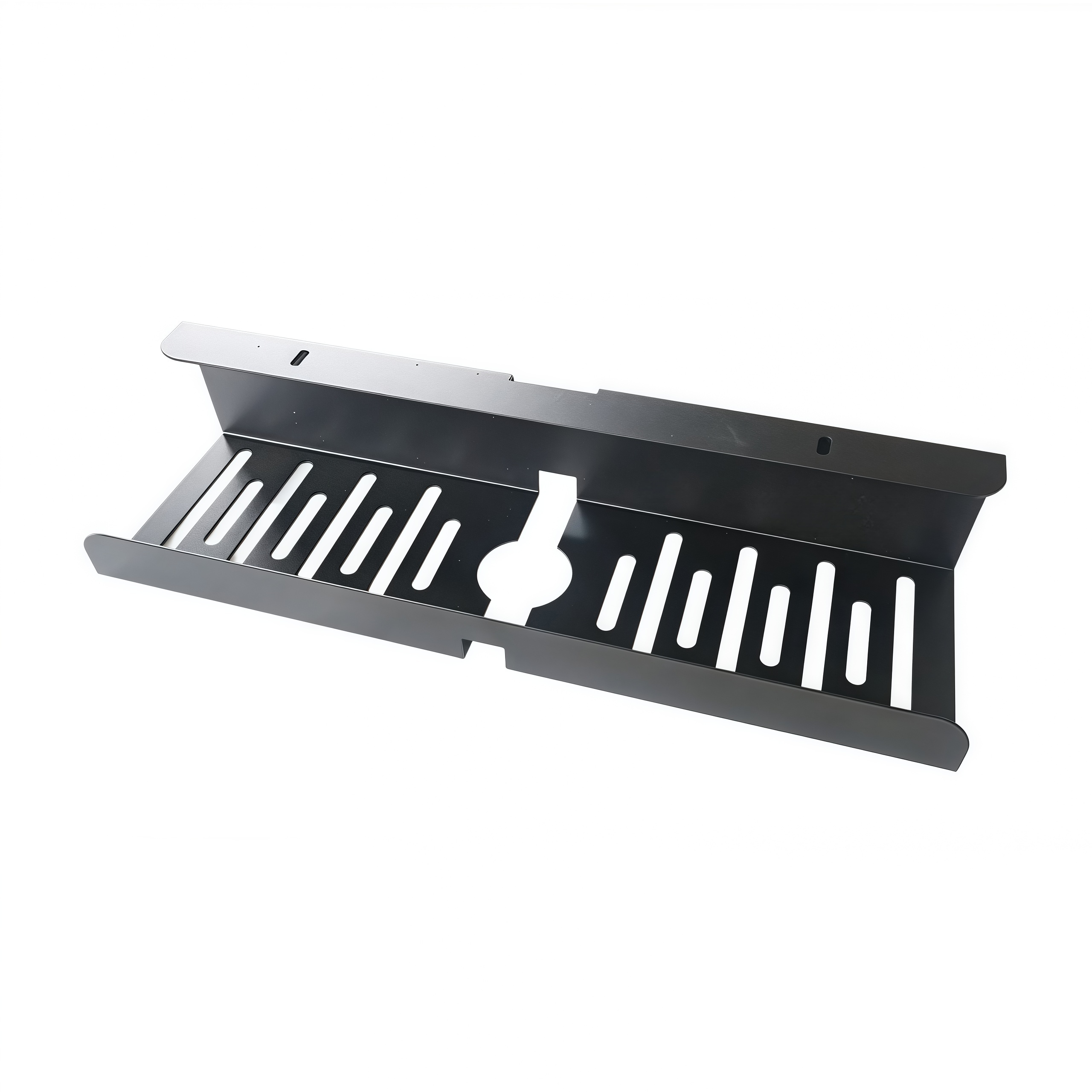
Core Metal Stamping Processes That Enable Reliable OEM CustomizationProgressive Die Stamping: Precision, repeatability, and scalability for high-mix OEM part familiesProgressive die stamping gives manufacturers incredible accuracy when making complic...
VIEW MORE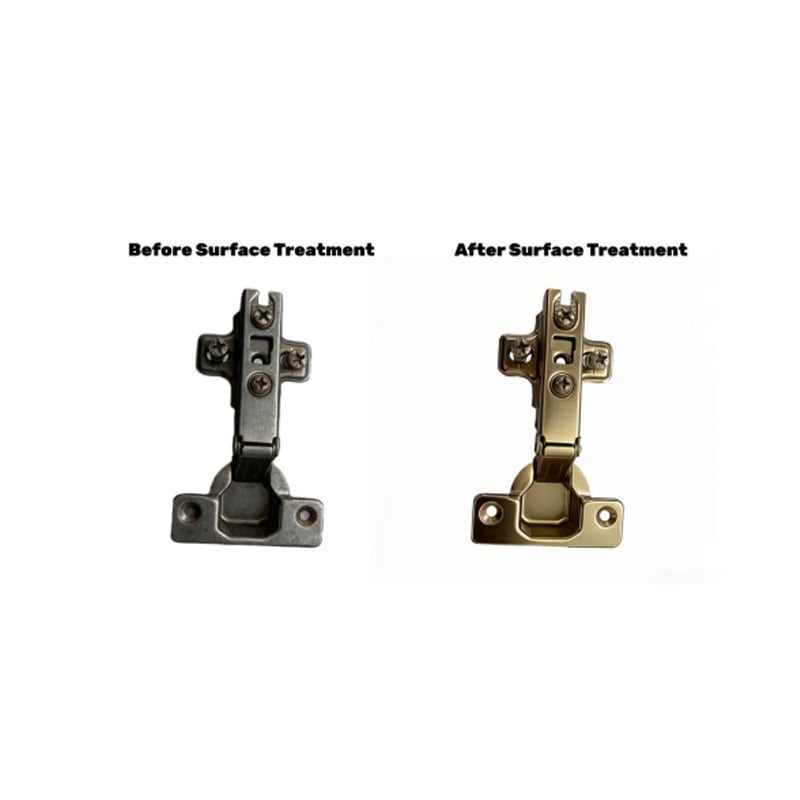
In the furniture hardware industry, hinge quality is the cornerstone of both user experience and longevity. Recently, we partnered with a client deeply experienced in the global furniture market to mass-produce cold-rolled steel hinges for cabinets a...
VIEW MORE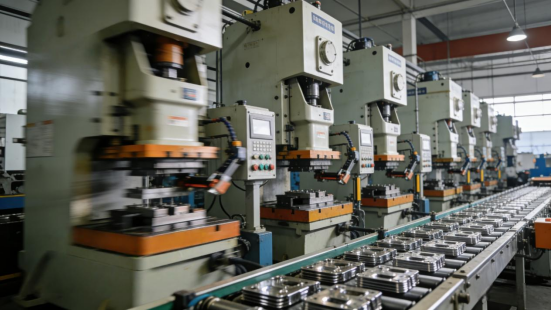
Precision Metal Stamping Process: The Perfect Integration of Technological Innovation and Quality Assurance I. In-depth Analysis of Metal Stamping Process Metal stamping is a manufacturing process that applies pressure to metal sheets placed in dies ...
VIEW MORE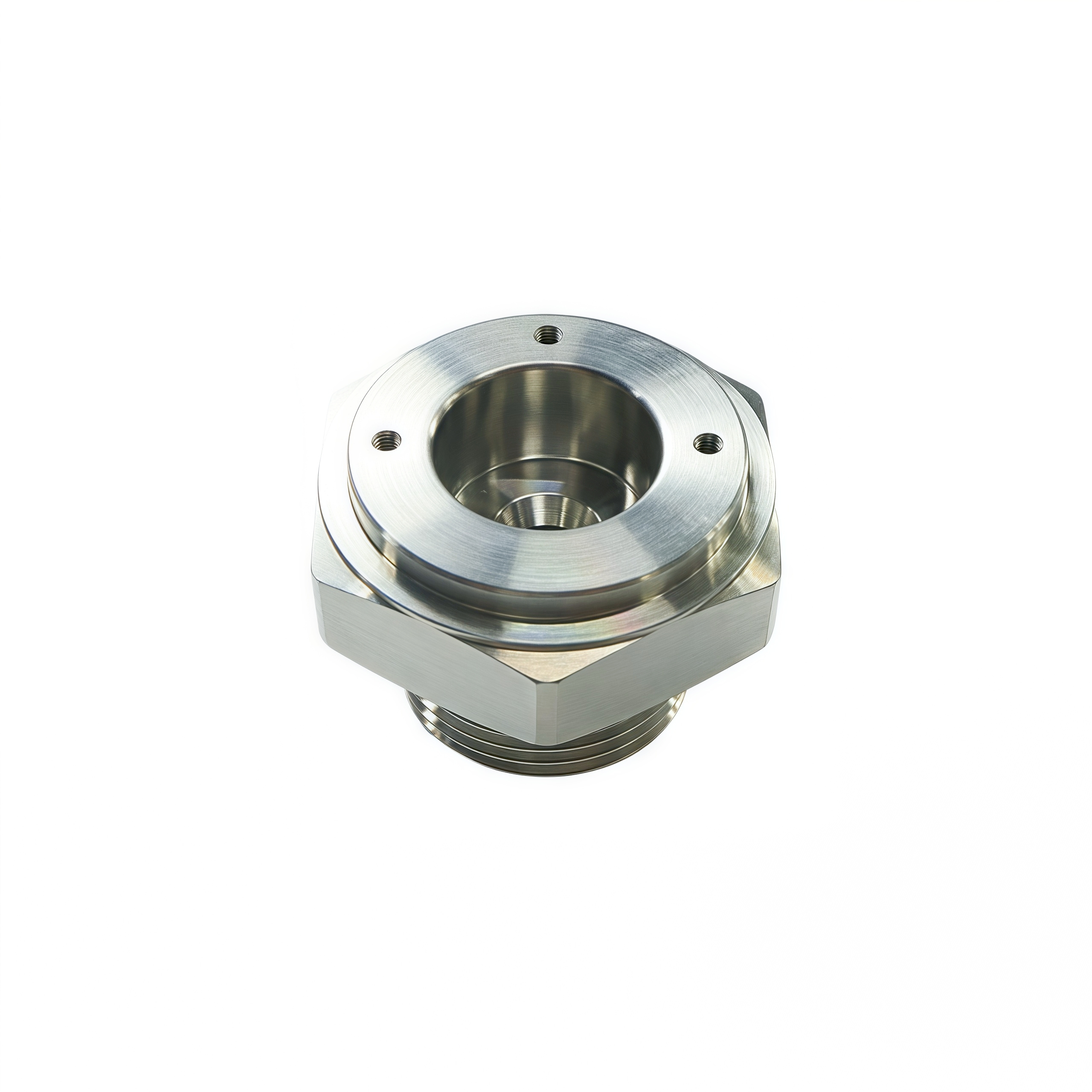
Understanding Precision in CNC Machining Parts: Tolerances, GD&T, and Metrology FundamentalsCNC Machining Tolerance Standards: ISO 2768 (F, M, C, V) and Real-World ApplicationWhen it comes to precision parts made through CNC machining, standard dimen...
VIEW MORE
Cangzhou Deeplink is a China-based OEM manufacturer specializing in custom sheet metal fabrication, precision metal stamping, laser cutting, CNC machining and deep drawing. ISO 9001 certified. Fast delivery worldwide.
The West Area Of The Economic Development Zone of Nanpi County, Cangzhou City, Hebei Province
Copyright © 2025 by Cangzhou Deeplink International Supply Chain Co., Ltd. Privacy Policy
 EN
EN