EN

Repeat manufacturing with tooling and inspection control
High-Volume Production Service
Select stamping, laser-cut production, deep drawing or an integrated route according to stable demand, tooling economics and part requirements.
Send Your Drawing for Review View Equipment & CapacityVolume production is a different problem from prototyping. Once a part is released, what matters is that part number ten thousand matches part number one, and that the records exist to prove it.
Production routes
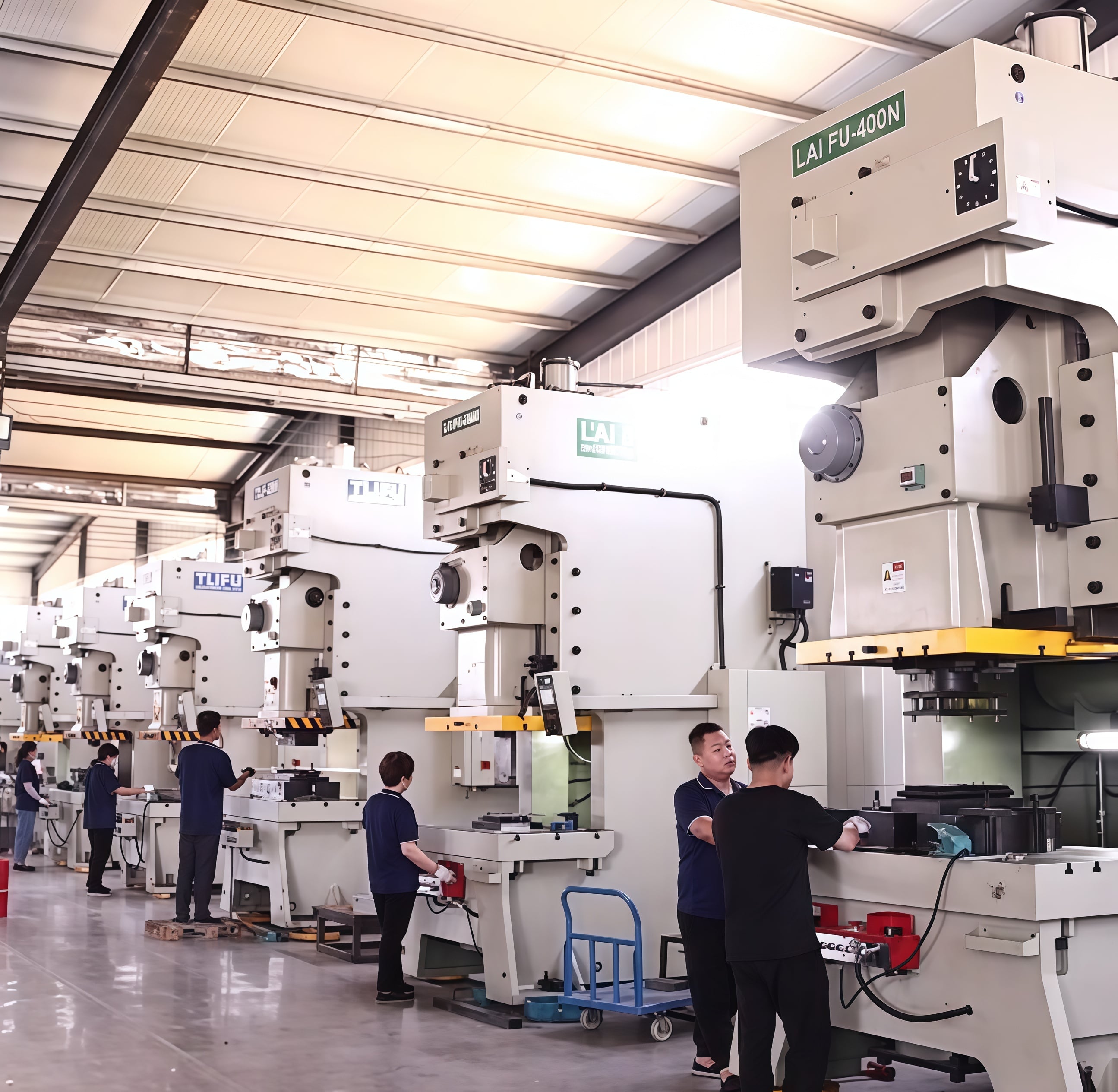
- Progressive die stamping on 25T to 400T presses, with tooling built and maintained in house
- Repeat runs of laser cut and formed parts where a die is not justified
- Deep drawn parts produced to confirmed wall thickness, diameter and depth
- Welded and assembled units supplied as finished items
Technical specification
| Item | Capability |
|---|---|
| Press range | 25T to 400T |
| Stamping | Progressive die stamping, blanking, piercing, forming |
| Tooling | Designed, built and maintained in house |
| Repeat runs | Laser cutting and forming where a die is not justified |
| Deep drawing | Wall thickness, diameter and depth confirmed at first article |
| Traceability | Records retained for traceability under our ISO 9001 quality system |
What keeps a long run consistent
- An approved first article that defines the part, kept as the reference for the life of the order
- Tooling maintained in house, so wear is managed rather than discovered
- In-process inspection that catches drift before it becomes a batch problem
- Records kept so a repeat order can be measured against the original, not against a fresh interpretation
Volume and process are matched
Stamping is normally the cheaper route once a part runs long enough to amortise die cost. For shorter runs, or where a design may still change, laser cutting and forming carry no die cost and stay flexible. We quote the route that fits your volume and expected run length, and say which is cheaper and why.
Quality control
Every order runs through 39+ quality checks under our ISO 9001 quality system: incoming material, first article, in-process and final inspection, with records retained for traceability.
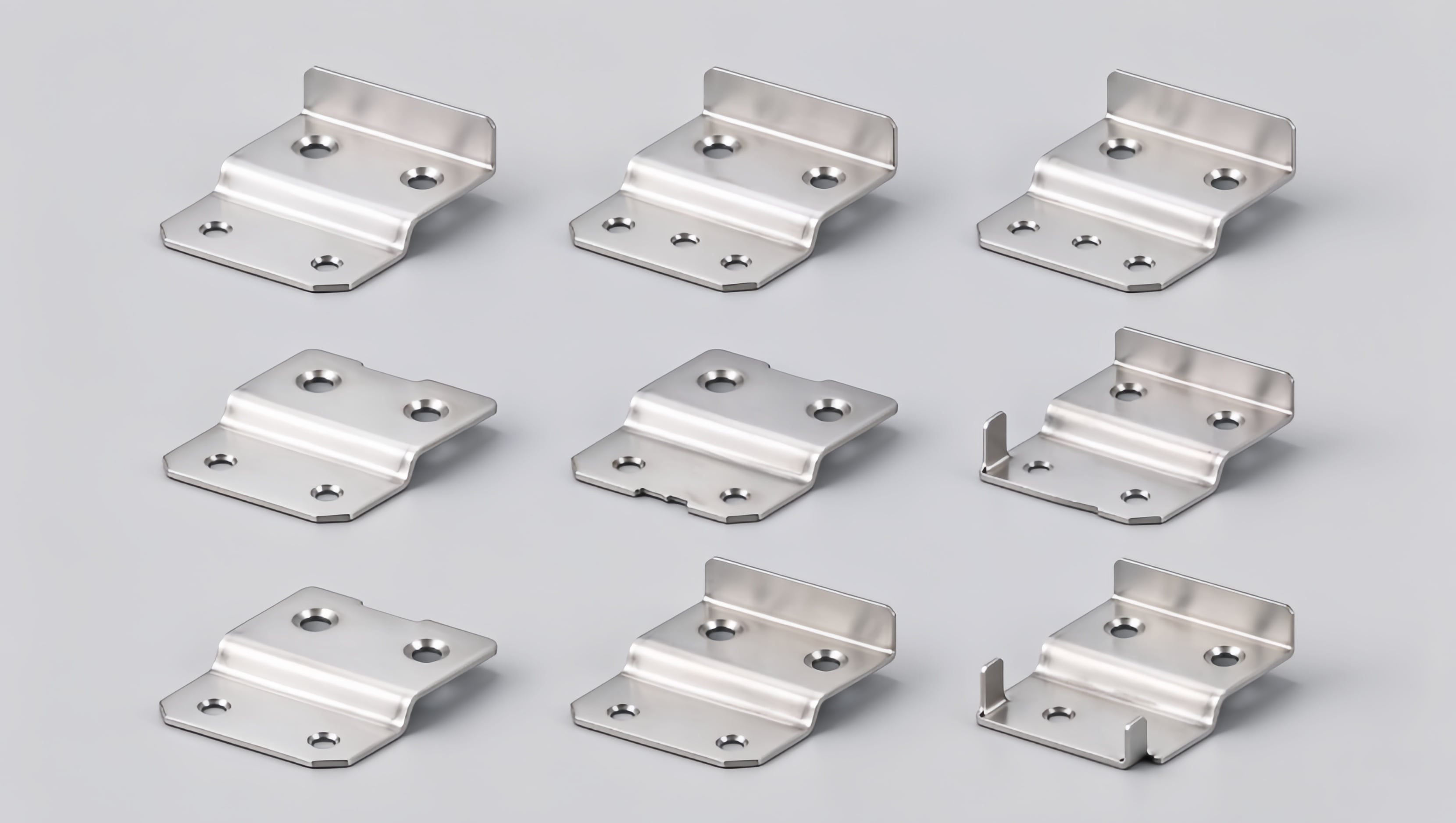
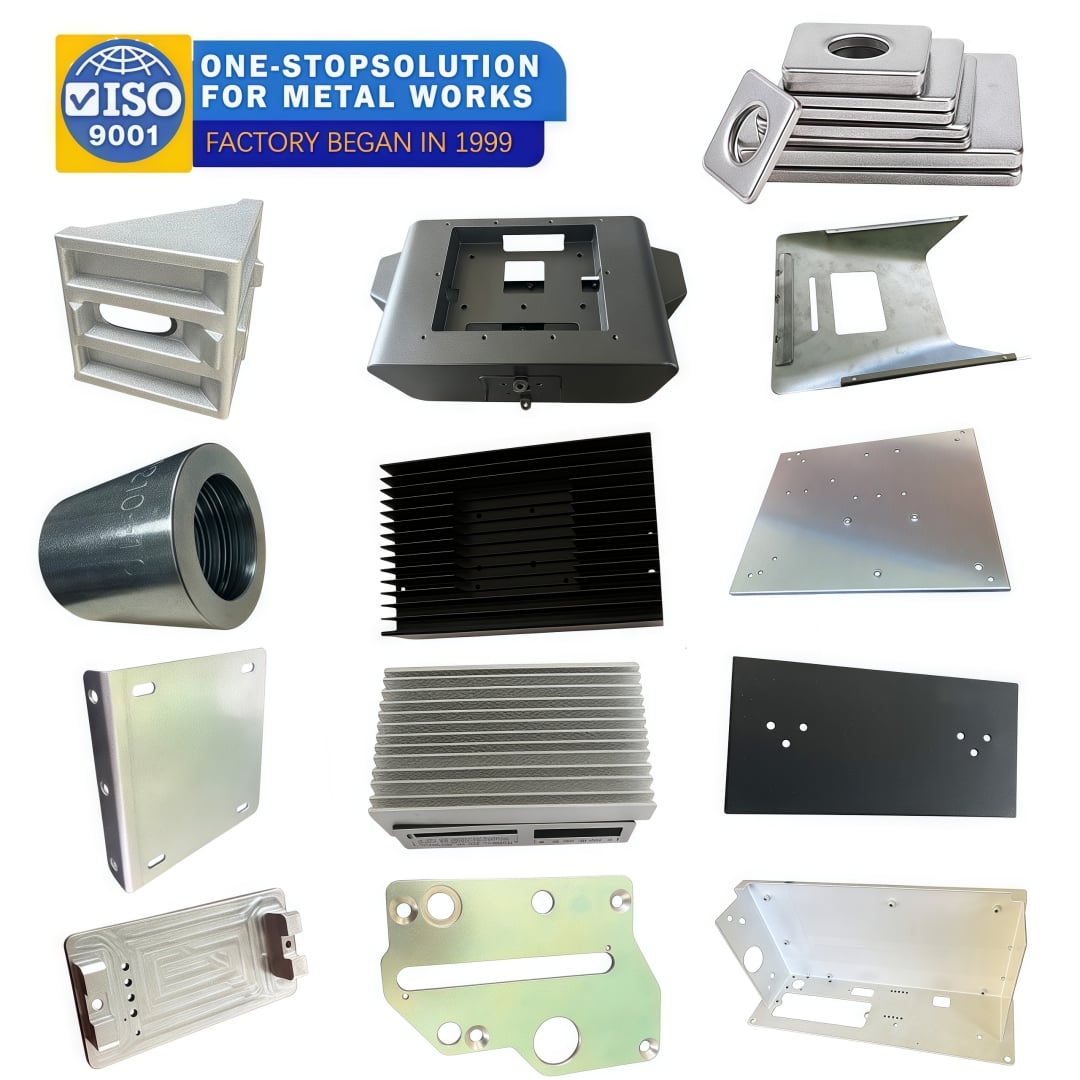
Real Manufacturing Examples

How the Project Moves Through Production
- 1. Review drawing maturity, order quantity, annual demand and programme life
- 2. Compare production routes and define the tooling decision
- 3. Approve the first article and inspection reference
- 4. Run repeat production with in-process checks and tooling maintenance
- 5. Complete final inspection, records, packaging and repeat-order control
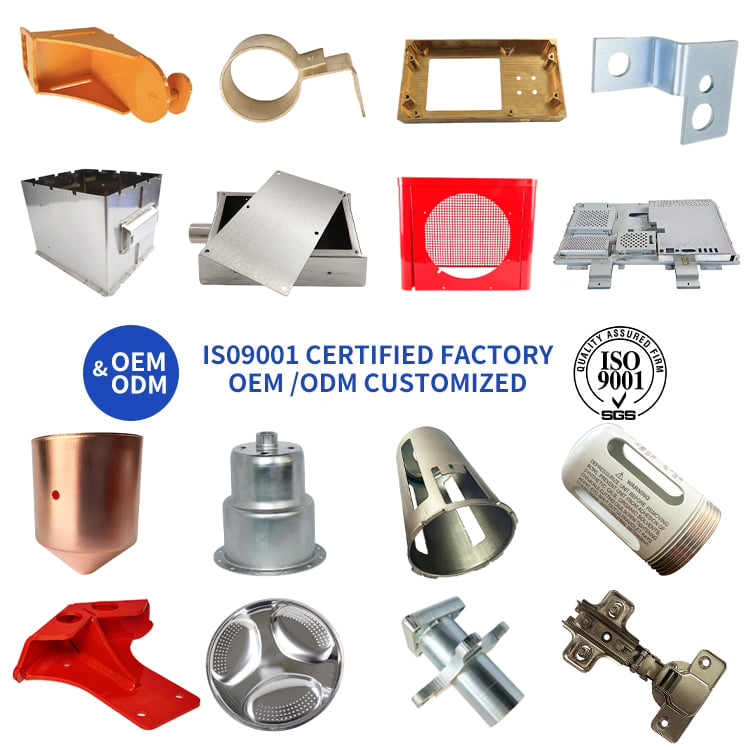
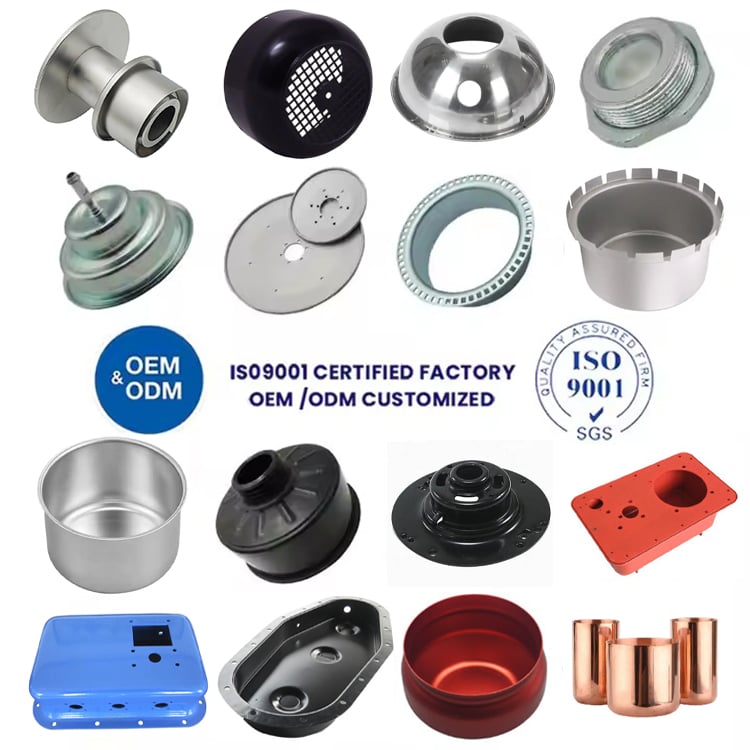
Applications and Part Types
What to Include in Your RFQ
- Released drawing and revision level
- Material, thickness and finish
- Order quantity and expected annual demand
- Programme duration and repeat schedule
- Inspection, traceability and packaging needs
A clear drawing package allows the engineering team to review manufacturability, process choice and inspection needs before production. No tolerance, price or delivery commitment is assumed until the specific drawing is reviewed.
Related Manufacturing Resources
- Metal stamping service
- Rapid prototyping
- Assembly services
- Equipment and manufacturing capacity
- Metal fabrication tolerance guide
- Metal materials guide
- Quality assurance process
- Manufacturing performance cases
Frequently Asked Questions
At what volume does stamping become cheaper?
It depends on part complexity and how long the part will run, because die cost is amortised across the order. Send your order quantity and expected annual volume and we will quote both routes so you can compare the numbers.
How do you keep part ten thousand identical to part one?
The approved first article defines the part and is kept as the reference for the life of the order. Tooling is maintained in house, in-process inspection catches drift before it becomes a batch problem, and records are retained so a repeat order is measured against the original.
Can you support repeat orders over several years?
Yes. Tooling is kept and maintained in house, and the approved first article and inspection records are retained, so a repeat order is produced against the original reference rather than a fresh interpretation.
Can volume production use laser cutting instead of stamping?
Yes, where a die is not justified or flexibility remains important. The route is compared against demand and expected programme life.
How are repeat-order revisions controlled?
Provide the released drawing revision with each order. Production and inspection must follow the approved revision and first-article reference.
Can tooling be maintained between repeat orders?
Tooling is maintained in house so wear and changes can be managed before the next production run.
Can a volume programme include welding and assembly?
Yes. Stamped, cut, formed, welded and assembled parts can be supplied under one coordinated programme.
What information is needed to compare production routes?
Order quantity, annual demand, expected programme life, design stability, material and critical features are needed to compare tooling and non-tooling routes.
Send Your Drawing for a Manufacturing Review
Send the drawing with material, thickness, order quantity, expected annual volume and how long the part is expected to run. That determines the process route and the tooling decision.
Request a Manufacturing Review


 Hot News